
Founder of Amavit · Education Entrepreneur
Volodymyr Fedyay is an education entrepreneur with more than 20 years of business experience and over 12 years of practical experience in children's supplementary education.
He is the founder of AMAkids, Smartum and Amavit, and is also involved in the development of the international mental arithmetic competition VF CUP.
His work focuses on educational methodology, teacher training and the development of digital tools that help children practise regularly while giving teachers better visibility into individual progress.
Before entering education, Volodymyr spent more than a decade building businesses across different sectors, including manufacturing, services and trade.
After becoming a father, his interests gradually shifted toward children's education. In 2014, he began systematic work on supplementary education programs for children and the development of educational centres.
Over the following years, his role extended far beyond business development. He was directly involved in:
For several years, Volodymyr personally travelled to different countries to train teachers and master trainers.
Volodymyr Fedyay is the founder of AMAkids and Smartum. His work across these projects has included:
AMAkids currently reports operations in more than 20 countries, more than 100,000 students and more than 5,000 certified teachers.
These years of practical work with schools, teachers and children later became an important foundation for the development of Amavit.
From the beginning, the goal was not simply to reproduce a traditional mental arithmetic program. The focus was on finding ways to help children reach stable results more efficiently while preserving correct technique and long-term skill development.
One of the important principles became an early introduction to mental calculation. Instead of waiting several months before introducing mental work, children can be shown simple mental calculation during the trial stage, with structured mental practice beginning from the earliest lessons.
At the same time, physical abacus work is not removed. One of Volodymyr's core methodological principles is that physical and mental practice should develop in parallel.
The physical abacus builds correct mechanics and remains useful for learning new algorithms, diagnosing mistakes and maintaining technique even when mental calculation becomes dominant.
Over the years, Volodymyr has participated in developing and refining different parts of mental arithmetic programs.
Mental practice is introduced from the earliest stages and develops gradually alongside work on the physical abacus. The goal is not to replace physical work, but to build the mental image while the physical technique is still developing.
For multiplication and division, traditional approaches were supplemented and redesigned using principles and algorithms inspired by Vedic mathematics. The objective was not simply to teach one fixed formula, but to give children more efficient calculation strategies for different types of tasks.
Double Power is an advanced training mode in which a child works with two independent streams of mental calculation at the same time. The concept was developed as an additional challenge for strong students who had already mastered the standard program and needed greater complexity to maintain motivation and continue progressing.
Instead of working only with numbers of the same digit length, exercises can combine one-, two- and three-digit numbers. This requires the child to constantly adjust the internal abacus representation and apply the skill in less predictable conditions.
Turbo is a training mode in which numbers appear in different areas of the screen and may also vary visually. The purpose is to make the presentation less predictable and demand a higher level of concentration during practice.
Methodology cannot exist separately from the teacher. For this reason, a significant part of Volodymyr's work has focused on teacher development.
He created training programs, prepared master trainers and teachers, and for several years personally delivered teacher training in different countries.
This experience shaped one of the principles that later became central to Amavit: technology should strengthen a good teacher, not try to replace one.
Since 2017, Volodymyr has been involved in the development of online mental arithmetic competitions.
Competitions are viewed not only as a way to identify winners. They also give children:
This work continues today through the VF CUP International Mental Arithmetic Olympiad, an international online competition for mental arithmetic students.
After years of developing educational programs and digital learning products, a new challenge became clear.
When entering Asian and other international markets, it became obvious that many teachers did not want — and did not need — to change their existing methodology. Different countries already have their own teaching traditions, topic sequences, training duration and teacher practices.
A teacher may be perfectly satisfied with the curriculum they already use. But many of these teachers still face the same practical problem. They know how to teach mental arithmetic. They have students. They have their own program. But they often lack a strong digital system for:
This became the foundation of Amavit. Not as another mental arithmetic school that requires everyone to adopt one methodology, but as a platform that teachers can integrate into their own teaching system.
The main purpose of Amavit is not to replace the teacher. The platform is designed to help teachers:
The platform also creates opportunities for children from different schools and countries to practise in a shared digital environment and participate in international competitions.
Fast calculation is not the goal if the underlying technique is incorrect. The child should first learn to perform the action correctly. Speed can then increase gradually.
Mental arithmetic develops through repeated and consistent practice. Short regular sessions are often more useful than trying to compensate for missed training with occasional long sessions.
Even when a child becomes confident in mental calculation, the physical abacus remains useful. It can support new techniques, more complex algorithms, diagnosis of mistakes and maintenance of correct mechanics.
Mental calculation does not begin only after physical abacus work has ended. Physical and mental skills gradually develop together, although their balance changes as the child progresses.
Children benefit from seeing how others perform and understanding where they stand. But the most important everyday comparison is: where am I now compared with where I was before?
Speed, accuracy, digit length, chain length and complexity should be evaluated as part of the individual child's development.
A platform can collect data, generate practice and show trends. But the final methodological decision remains with the teacher.
Some articles in the Amavit blog are published under the name Volodymyr Fedyay. These are primarily articles where practical experience plays a particularly important role, including teacher training, mental arithmetic methodology, student progression, physical and mental abacus work, competition training, long-term practice and digital learning systems.
Other materials are published by the Amavit Methodology Team. This allows Amavit to combine founder experience with an independent and growing methodological knowledge base that belongs to the platform itself.
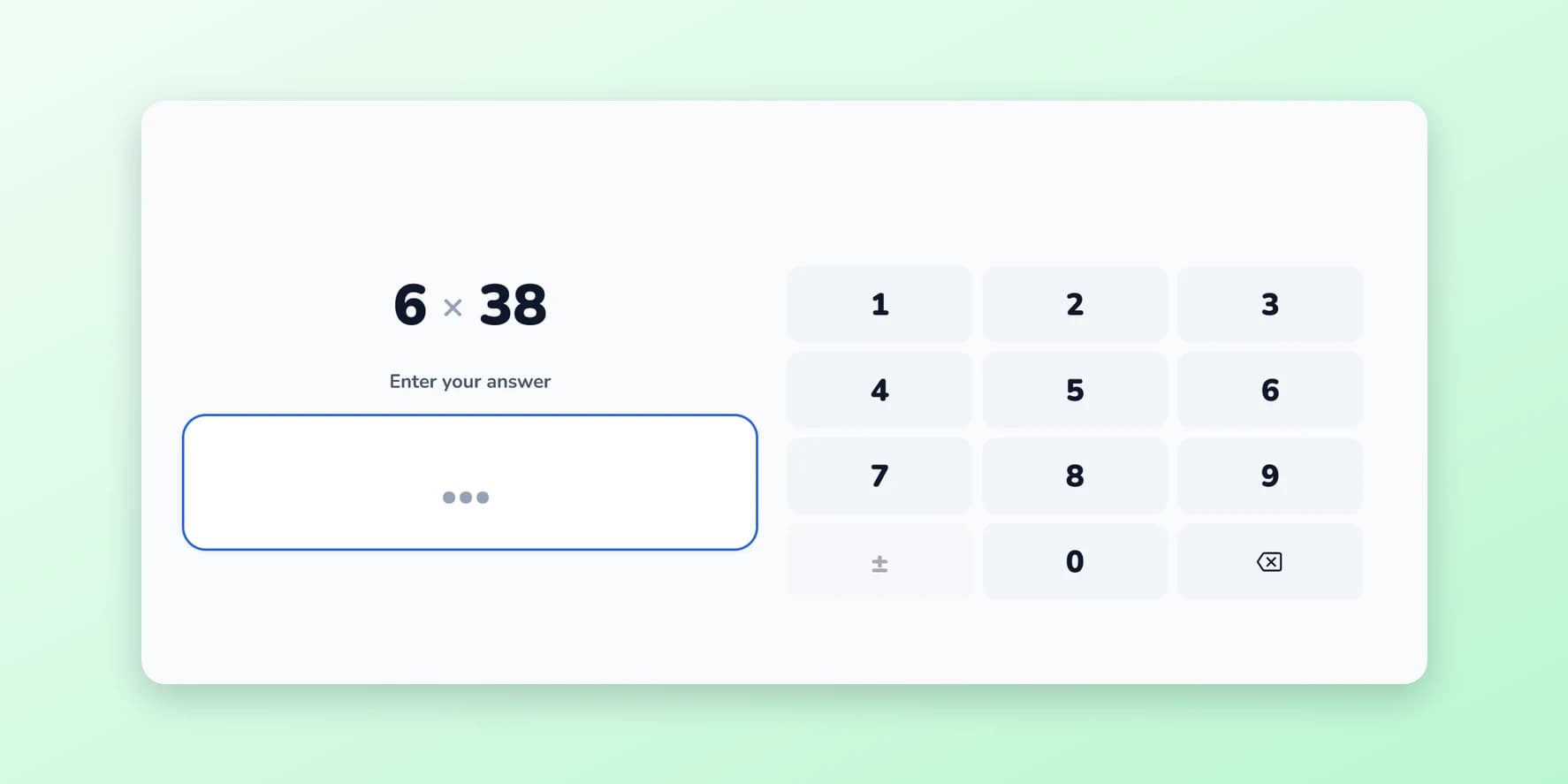
Learn when children are ready for multiplication and division in mental arithmetic, why these operations require a stronger foundation, and how to progress without rushing.
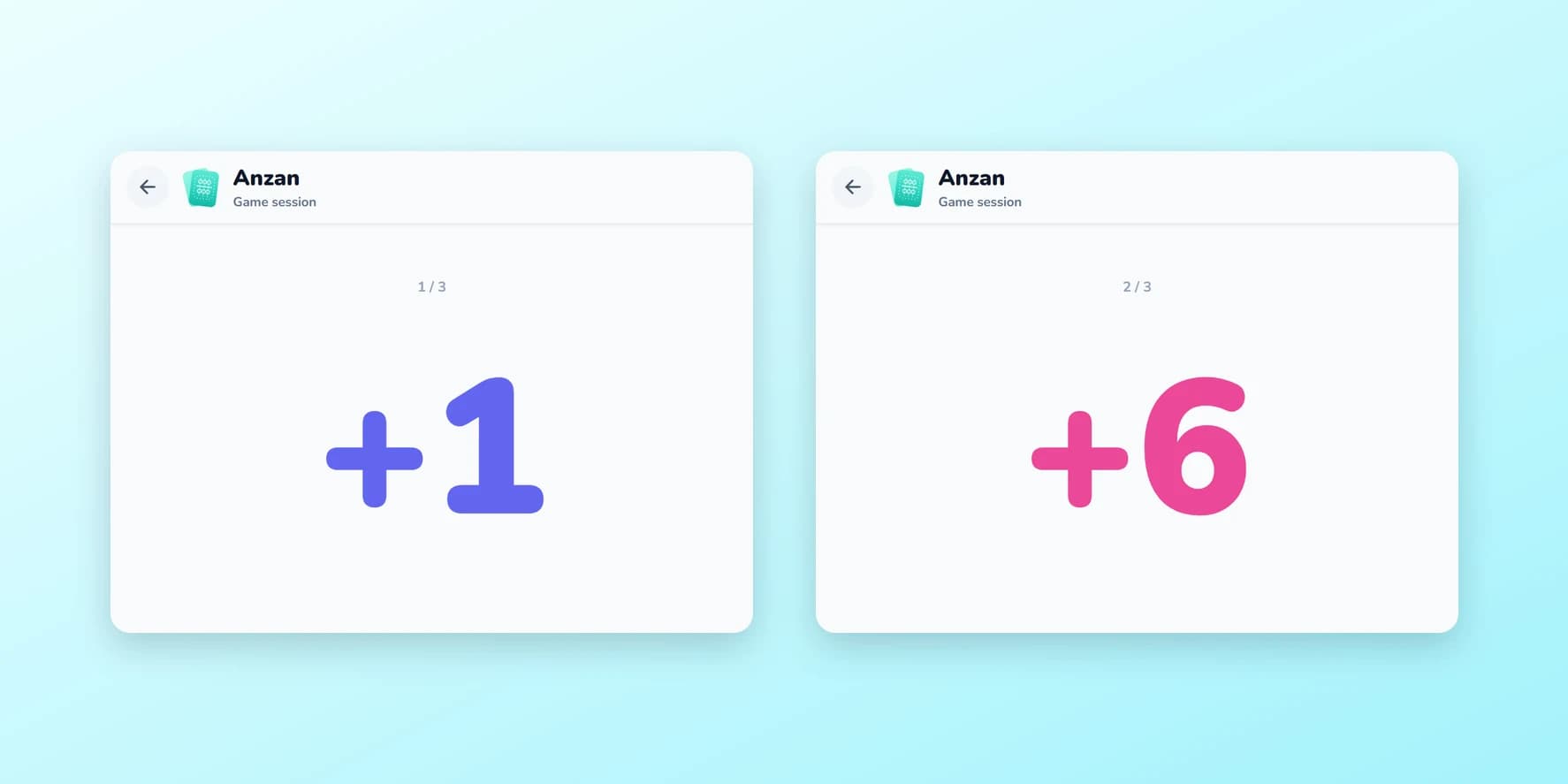
What is Double Power in mental arithmetic? Learn how children can train to maintain two mental-abacus calculations at once and how the mode developed within Smartum.
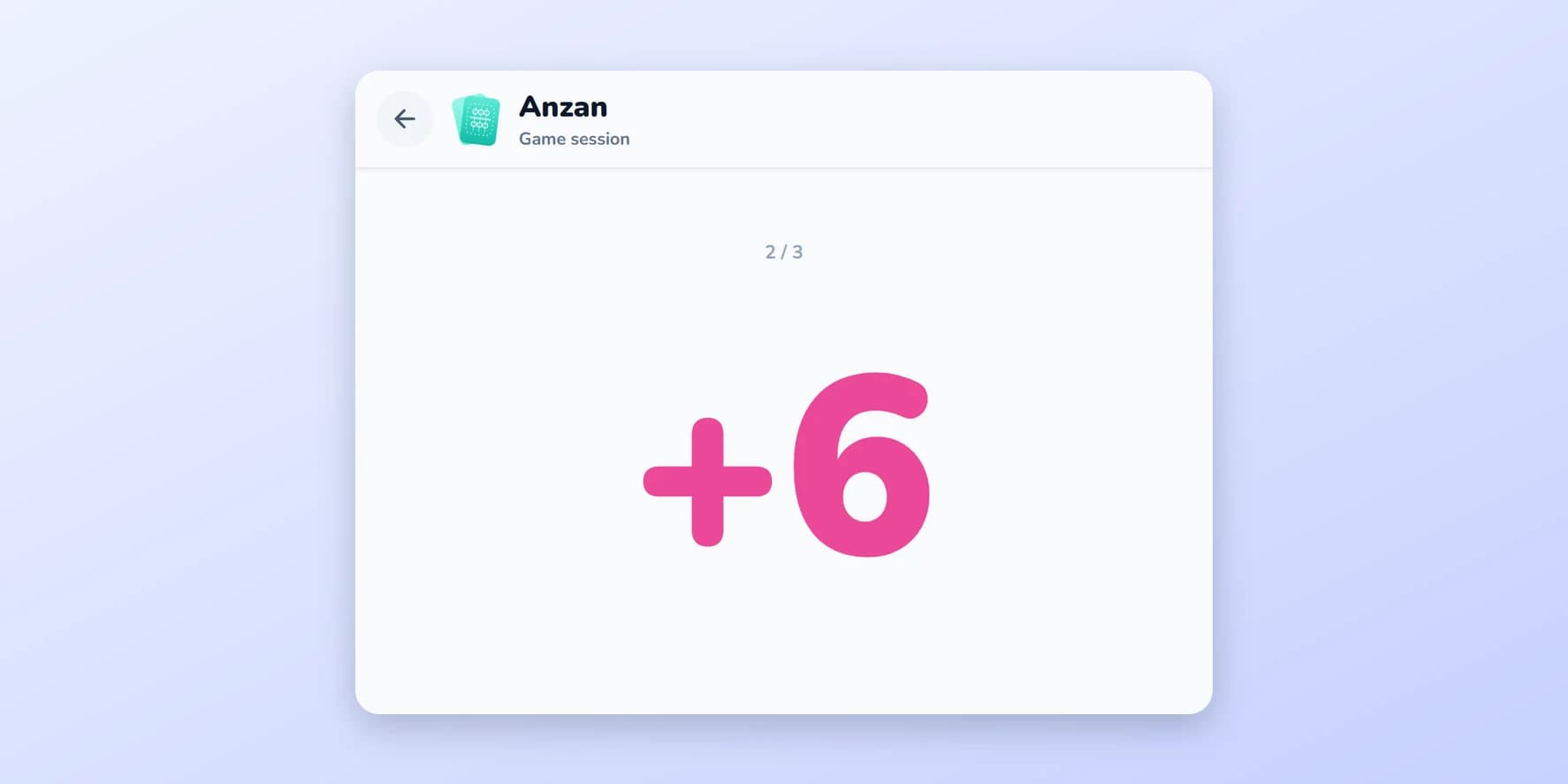
What is Anzan in mental arithmetic? Learn how it differs from early mental calculation, why physical abacus comes first, and why full Anzan often takes a year or longer to develop.
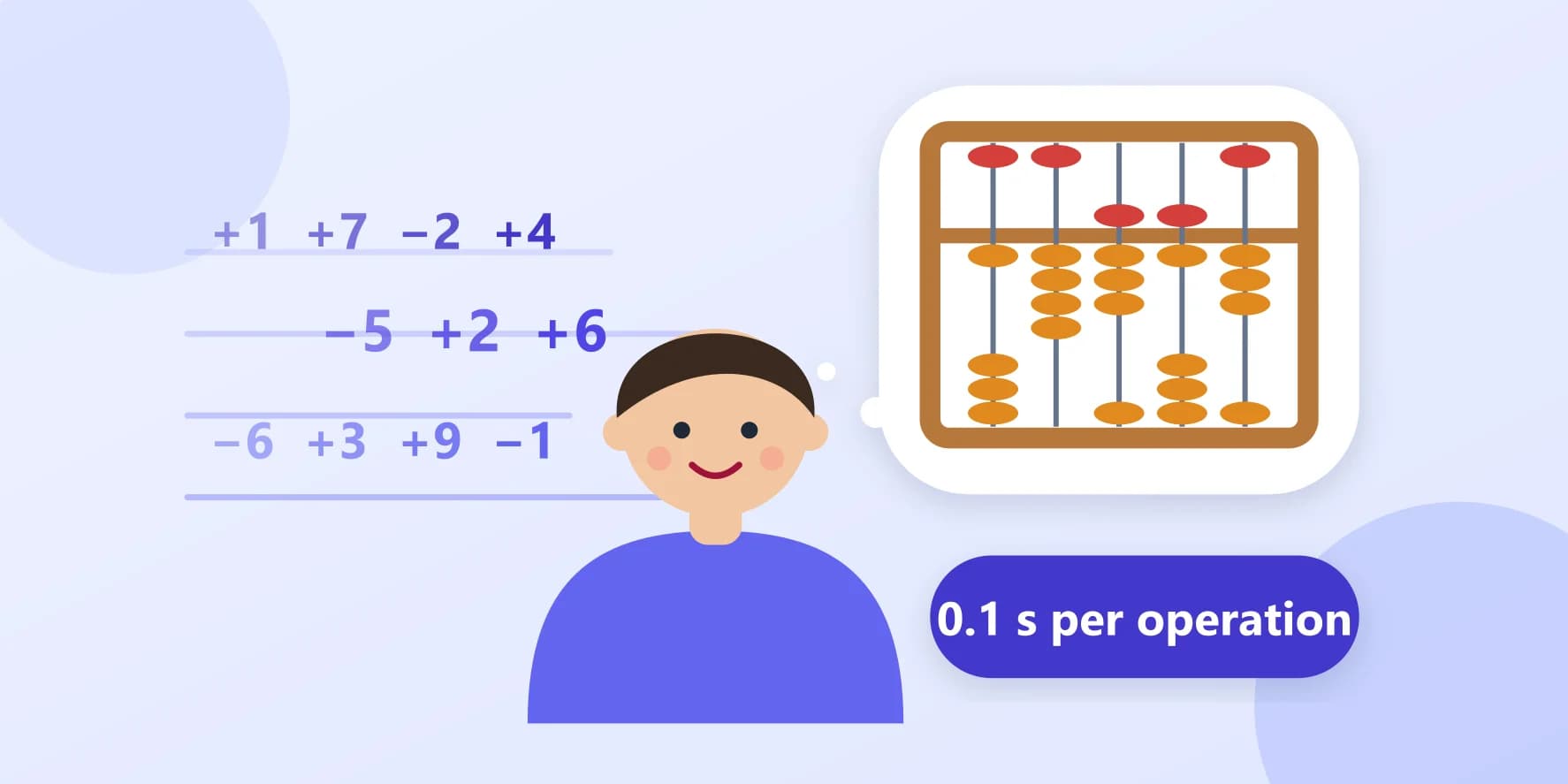
How do children progress from 3 seconds to 0.1 seconds per operation in mental arithmetic? Learn how speed, accuracy, digit length, audio support and Anzan develop step by step.
