Notes for mental arithmetic teachers: how the methodology works, what keeps students motivated, and real stories of progress.
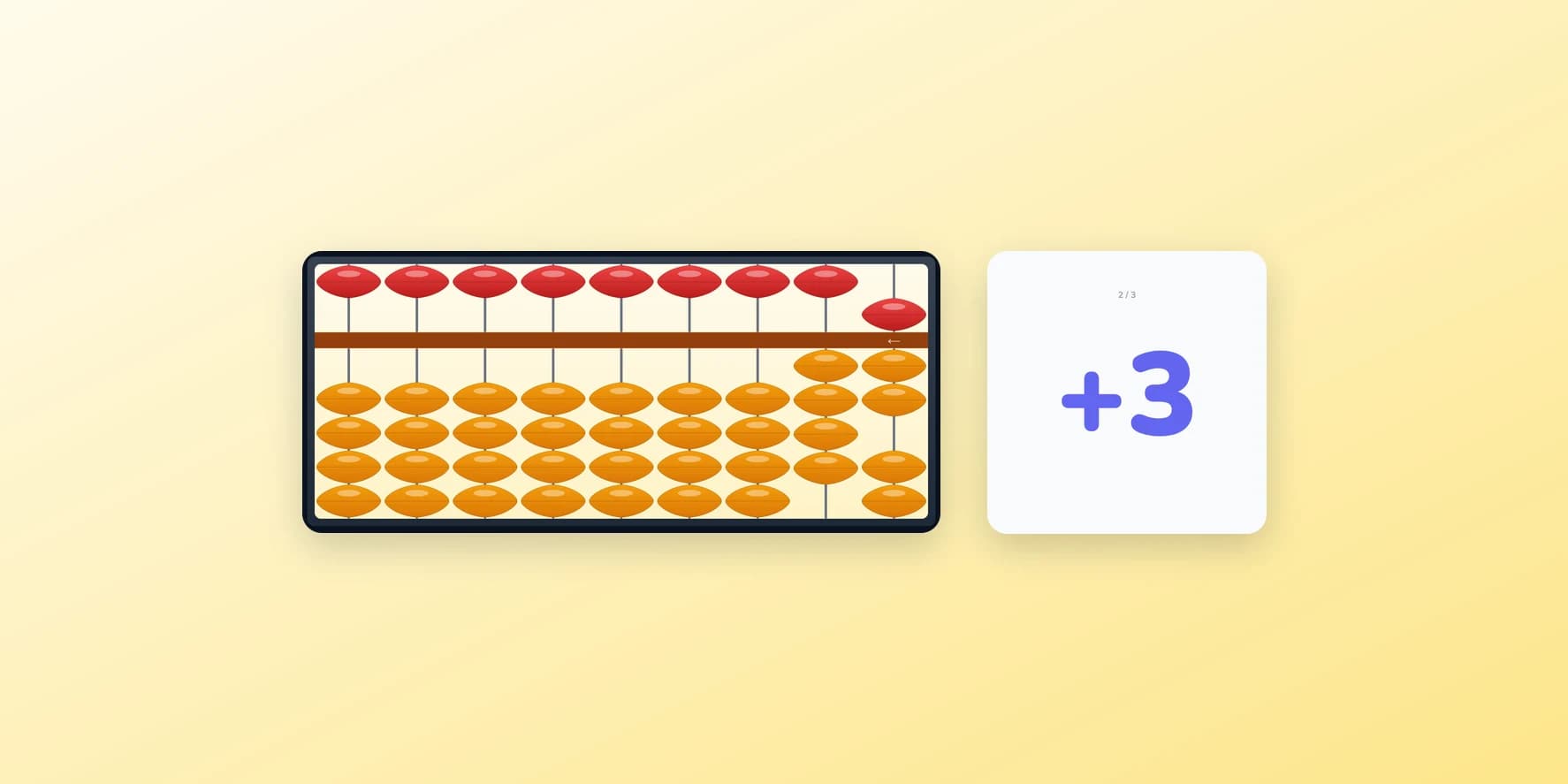
Learn how children move from physical abacus to mental calculation, why physical practice should remain throughout training, and how both methods work together.
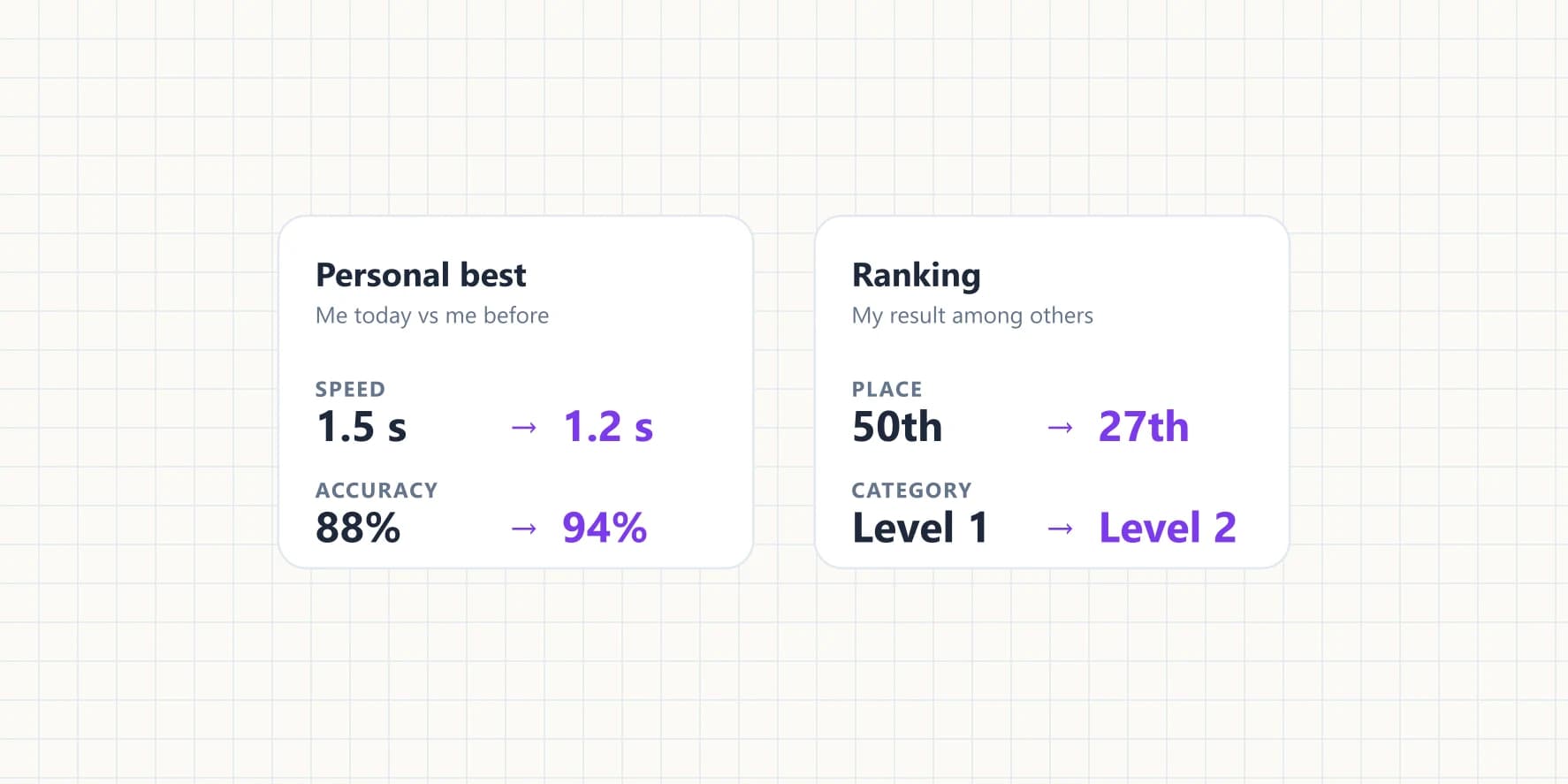
Learn how mental arithmetic competitions help children understand their level, set goals, handle winning and losing, perform under pressure and develop through comparison.
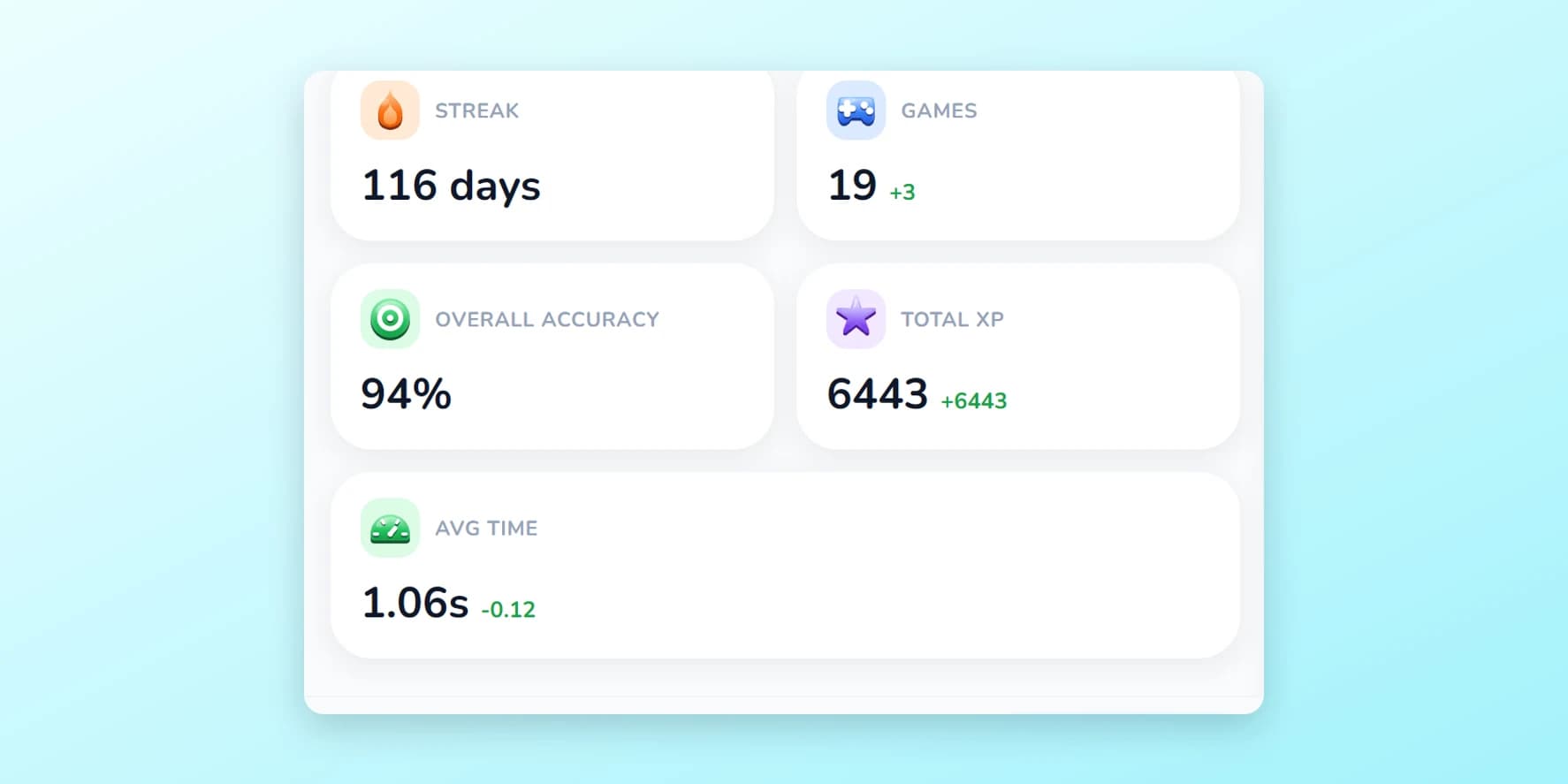
Learn how to evaluate a child’s mental arithmetic progress using technique, accuracy, speed, digit length, chain length, consistency and long-term trends.
Learn how to choose a mental arithmetic teacher, why correct abacus technique matters more than early speed, and what parents should look for beyond certificates and promises.
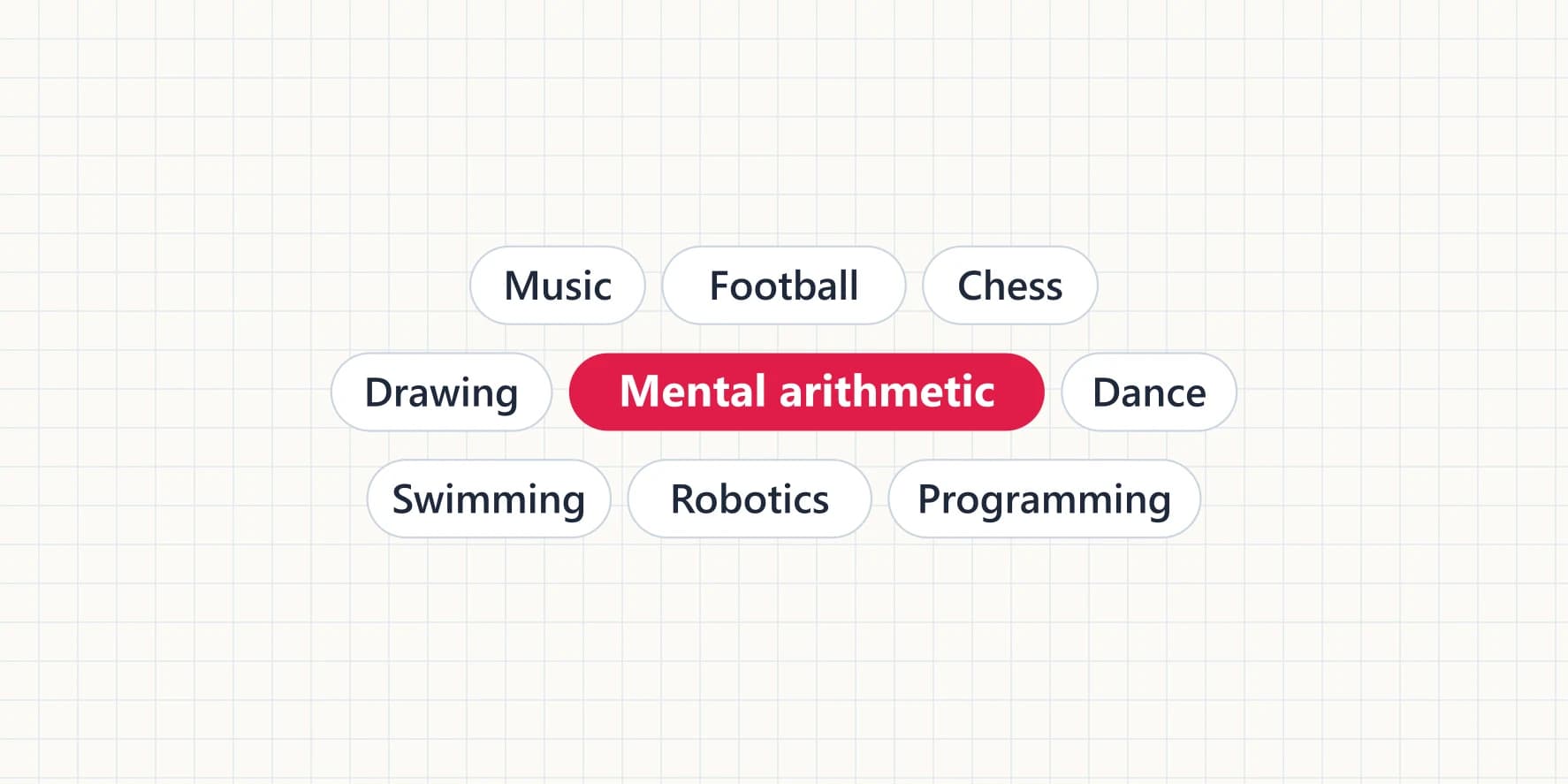
Mental arithmetic is not for every child. Learn how parents can tell whether it is a good fit, when boredom is normal, and when it may be better to choose another activity.
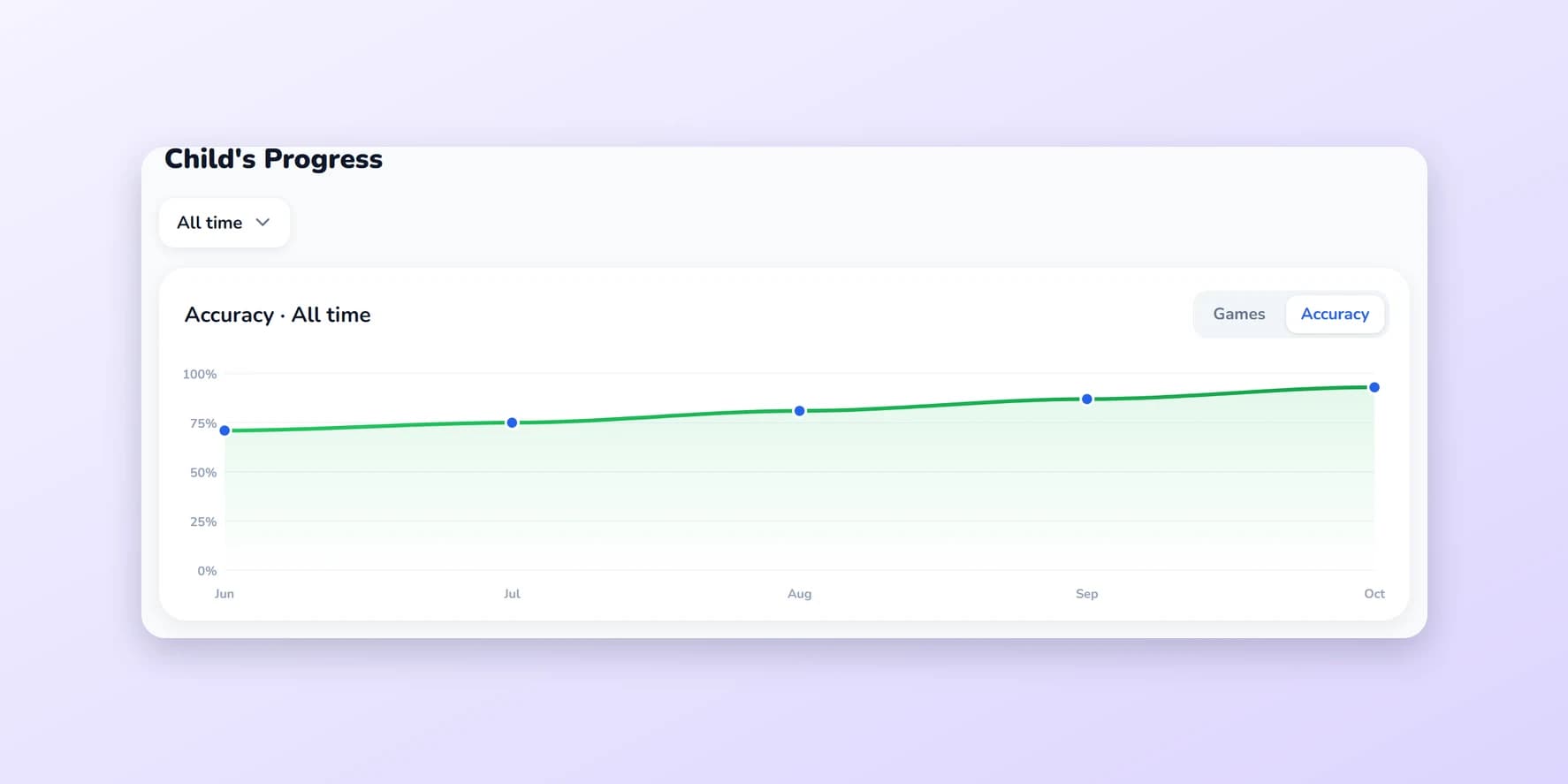
How long should a child study mental arithmetic? Learn what children can achieve in a few months, one year and around two years of regular practice.
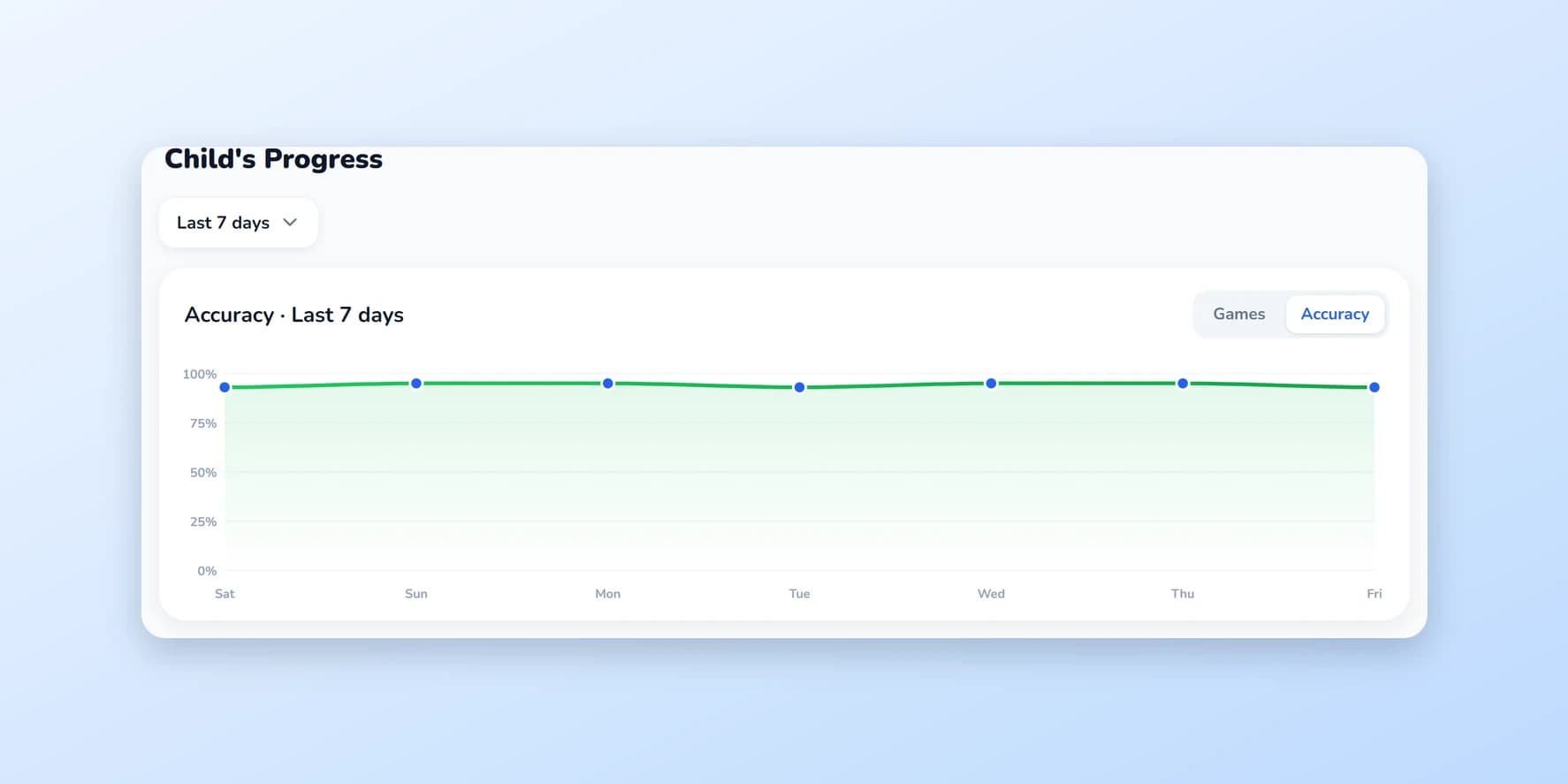
Learn how to tell when a child is ready for the next mental arithmetic topic, why one new topic per week can work, and how practice data helps teachers detect problems early.
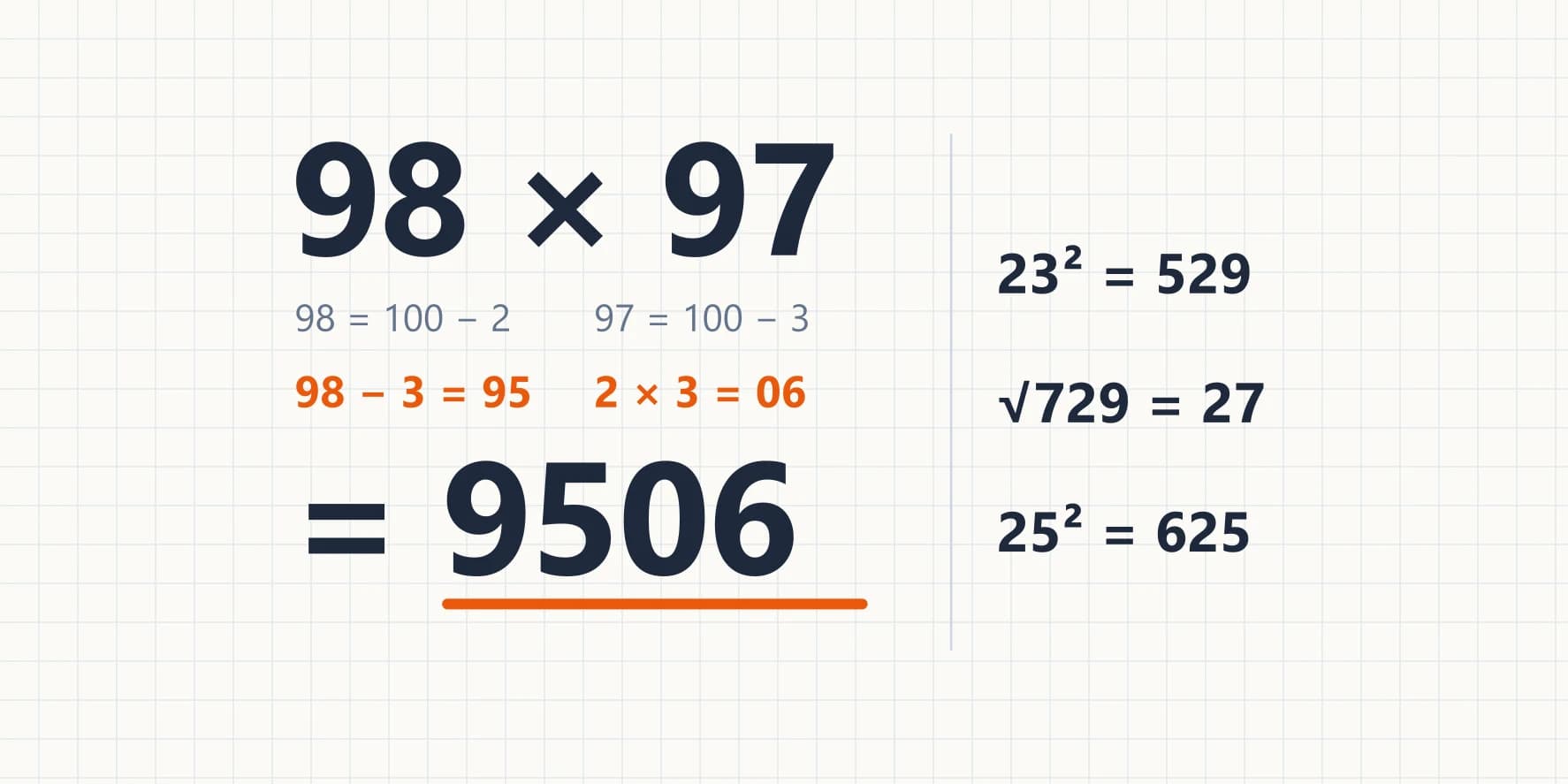
Discover what children can learn after classical mental arithmetic, including Vedic mathematics techniques, fast multiplication, powers, roots and advanced mental calculation.
Learn when children are ready for multiplication and division in mental arithmetic, why these operations require a stronger foundation, and how to progress without rushing.
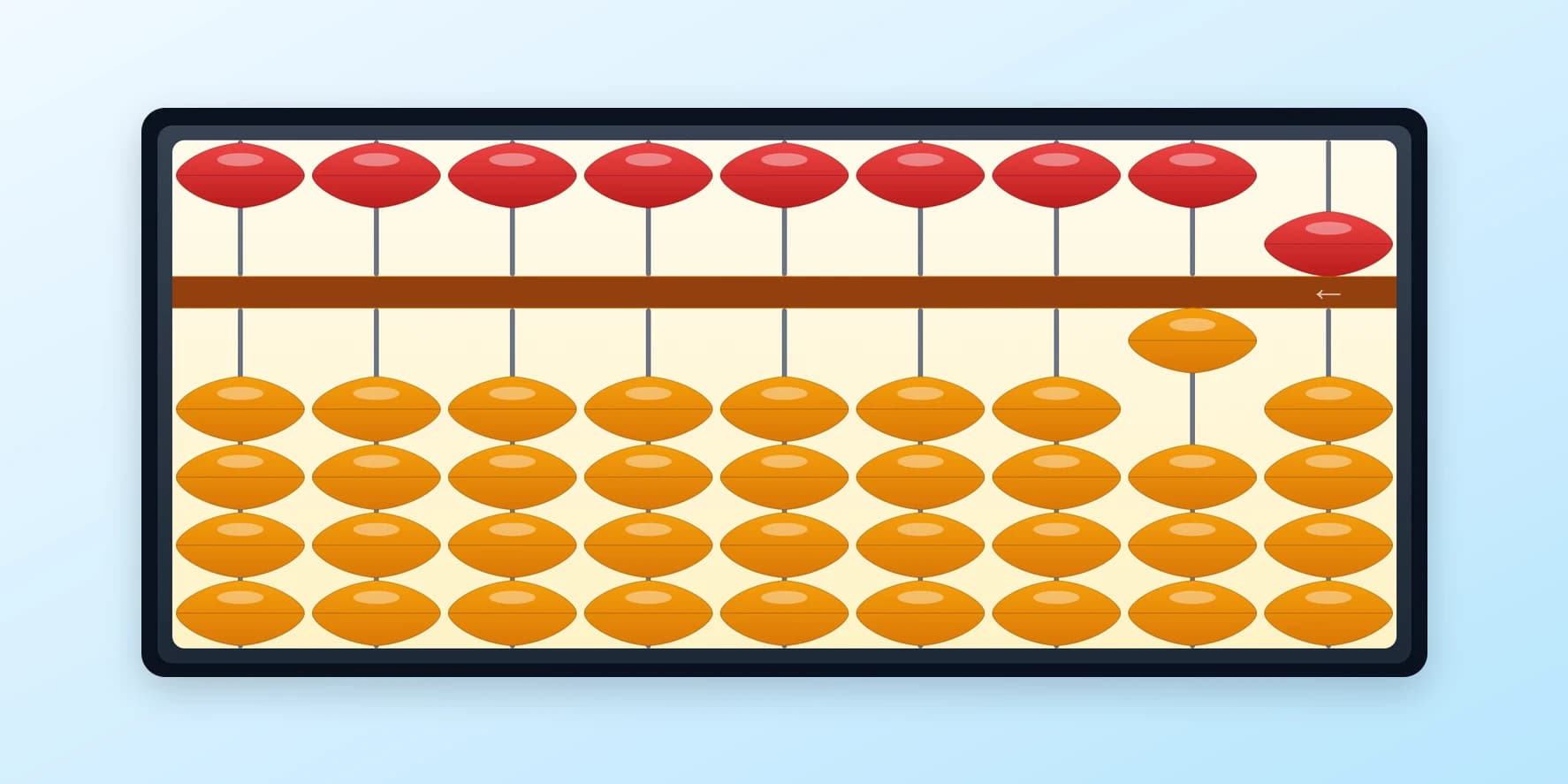
Does mental arithmetic confuse children at school? Learn how mental abacus and school math differ, where they can work together, and what parents should know.
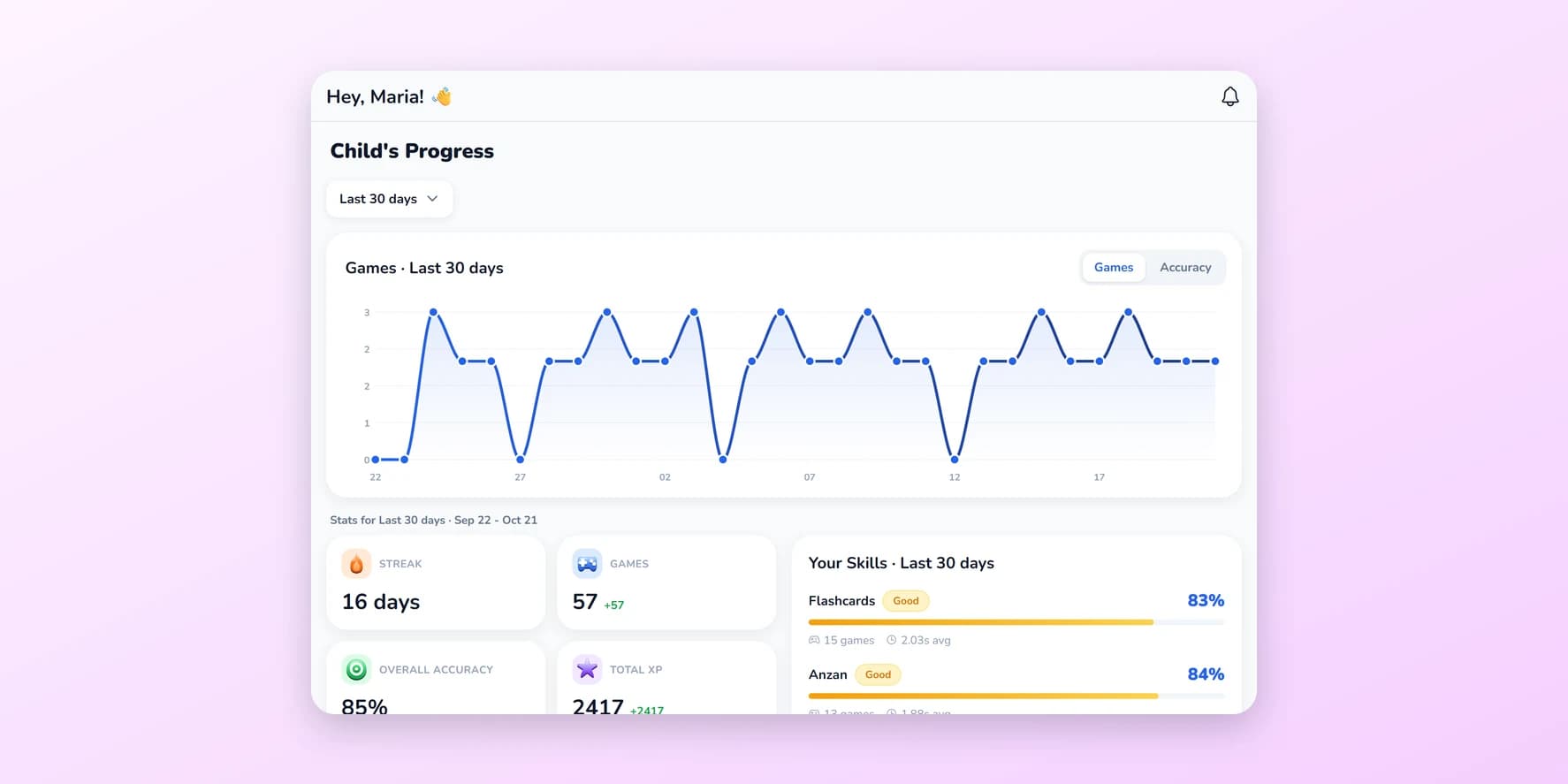
Learn how parents can support a child in mental arithmetic through regular practice, progress monitoring and early communication with the teacher — without becoming a second instructor.
What is Double Power in mental arithmetic? Learn how children can train to maintain two mental-abacus calculations at once and how the mode developed within Smartum.
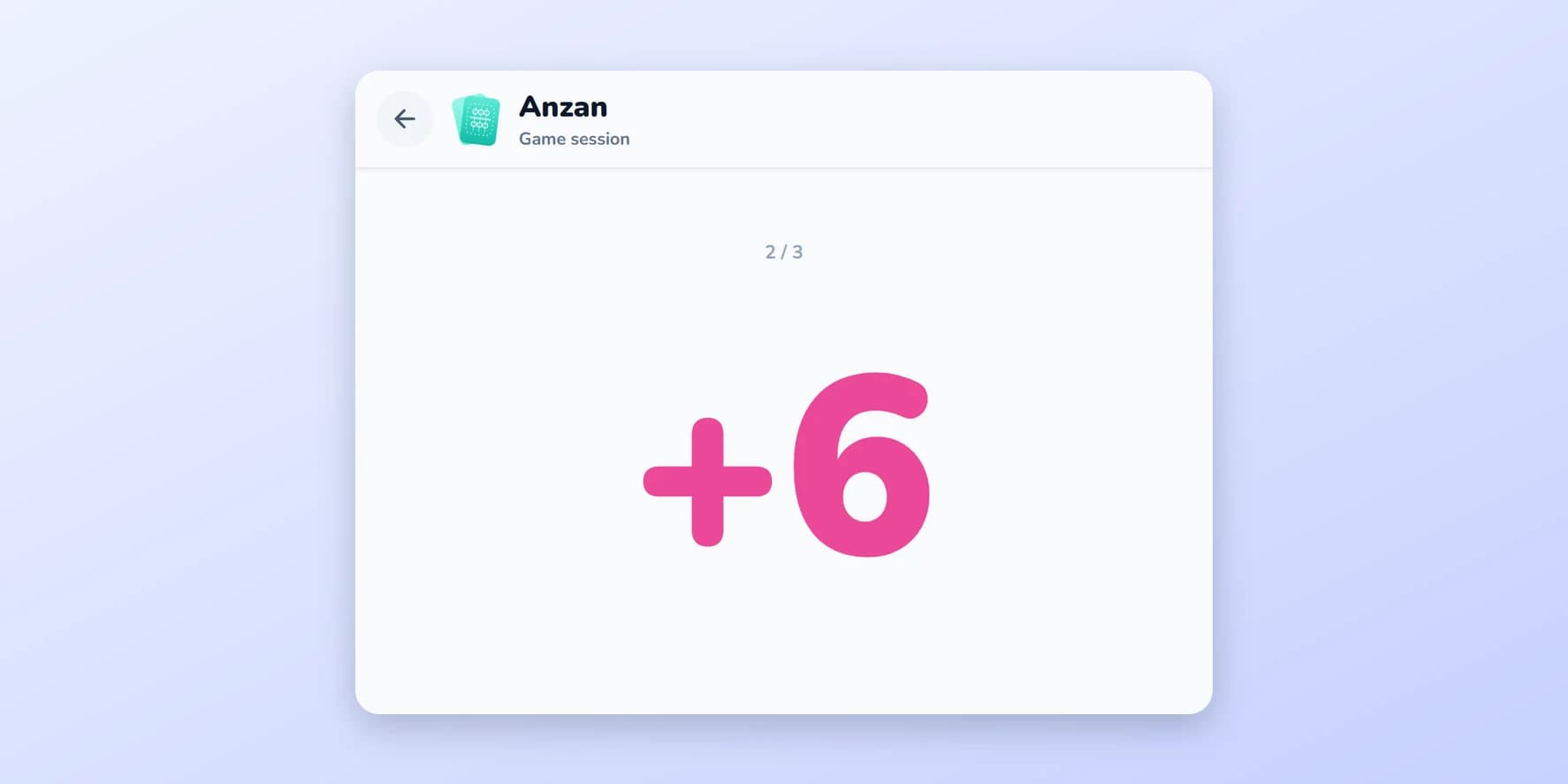
What is Anzan in mental arithmetic? Learn how it differs from early mental calculation, why physical abacus comes first, and why full Anzan often takes a year or longer to develop.
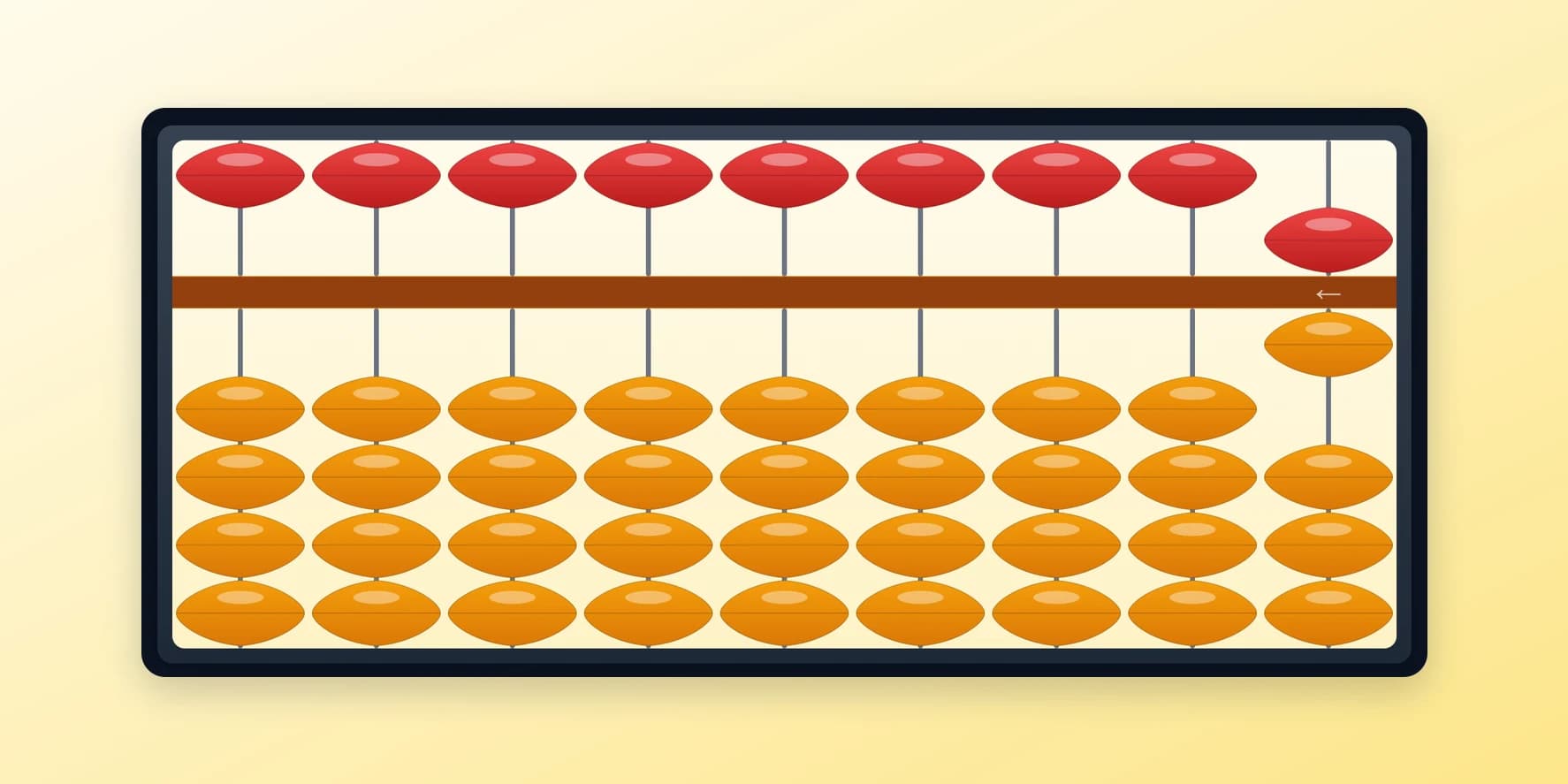
Learn how Small Friends and Big Friends work in mental arithmetic, why correct abacus finger technique matters, and how physical movements develop into mental calculation.
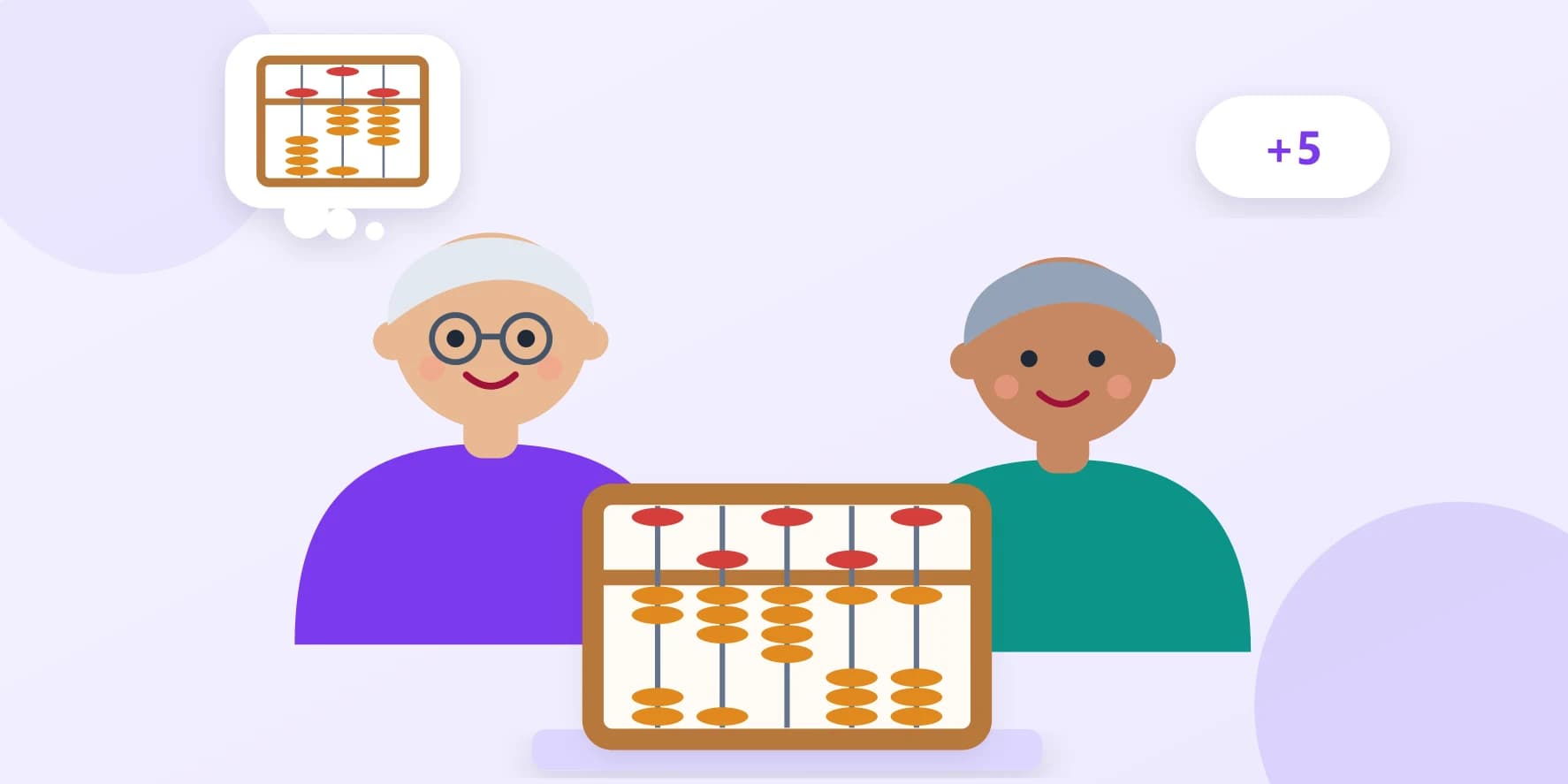
Can adults learn mental arithmetic at 40, 60 or 70? Discover how mental abacus can provide cognitive challenge, structured learning and social activity for older adults.
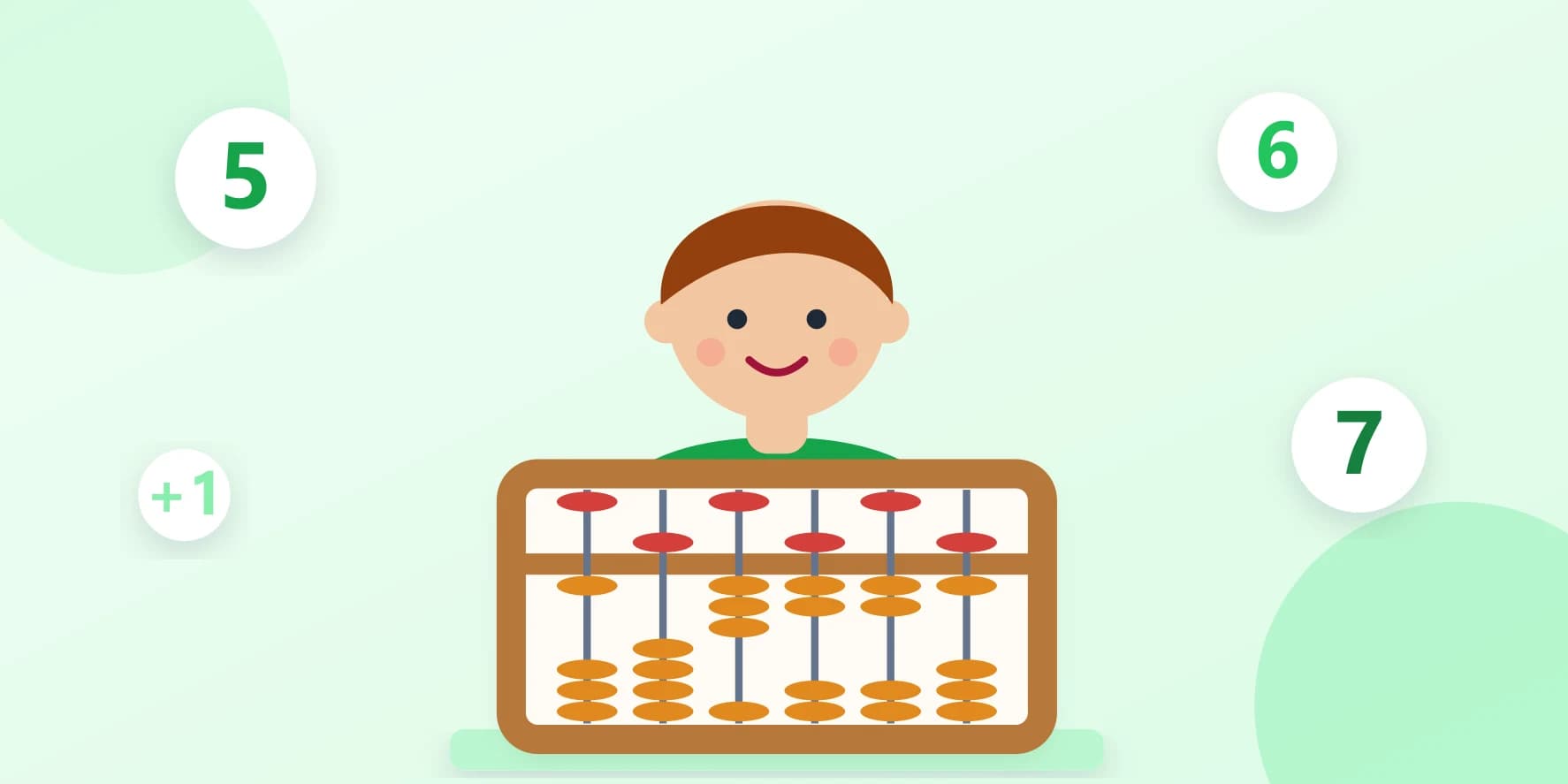
What is the best age to start mental arithmetic? Learn why readiness matters more than an exact age, why 5–7 is often ideal, and why starting at 8, 10 or later is not too late.
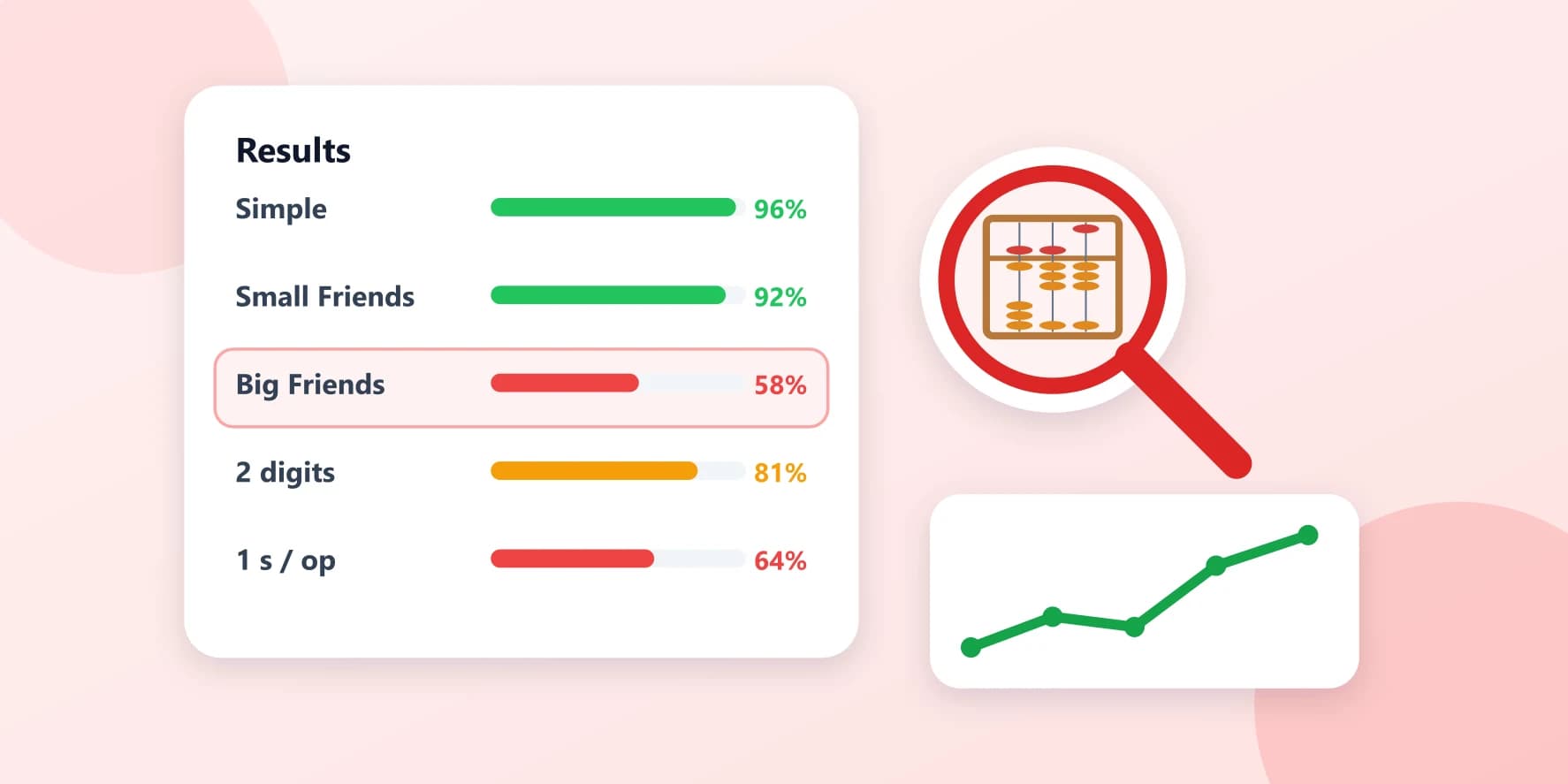
Why does a child keep making the same mental arithmetic mistakes? Learn how weak topics, speed, digit length and chain length affect accuracy — and how targeted practice can fix the real problem.
Why do children lose interest in mental arithmetic? Learn why a full two-year cycle matters and how variety, streaks, progress, rewards and digital practice help children stay engaged.
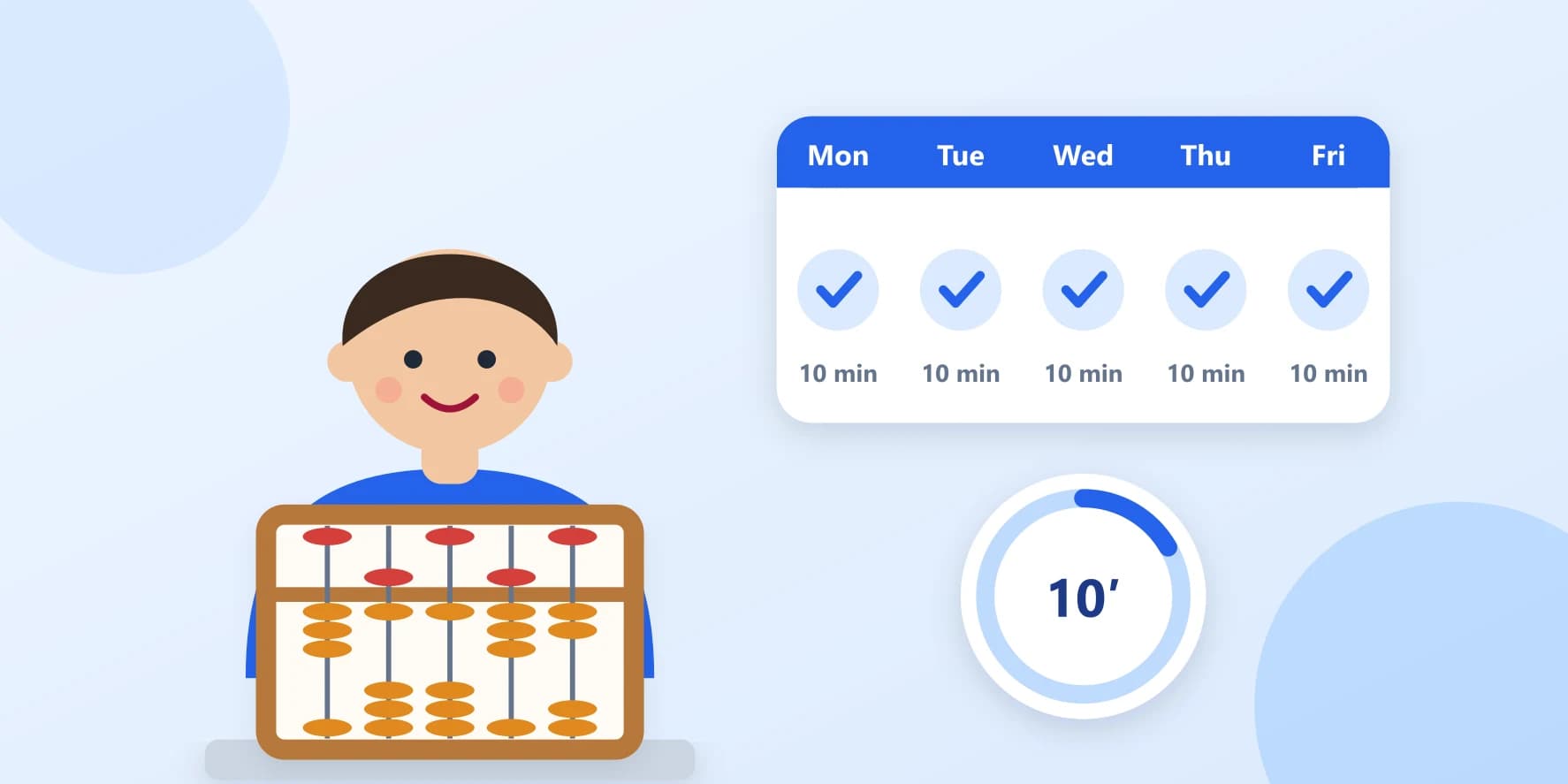
How long should a child practise mental arithmetic each day? Learn why 7–10, 15–20, or 30–40 minutes may be enough depending on level, and why targeted practice matters more than time alone.
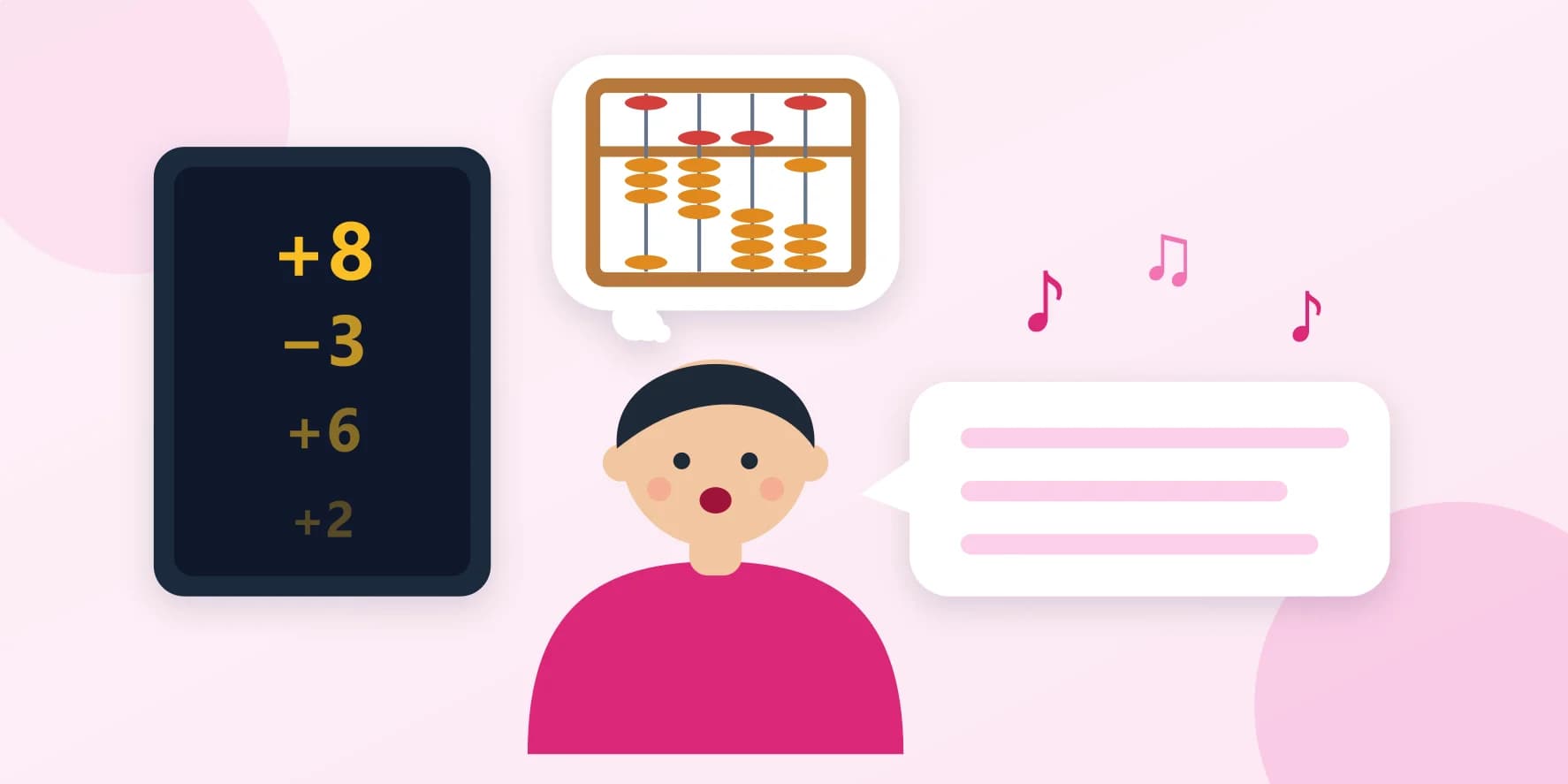
How can a child calculate while reciting a poem or singing? Learn how mental-abacus students use visualisation, automaticity and visual-spatial processing to handle two tasks at once.
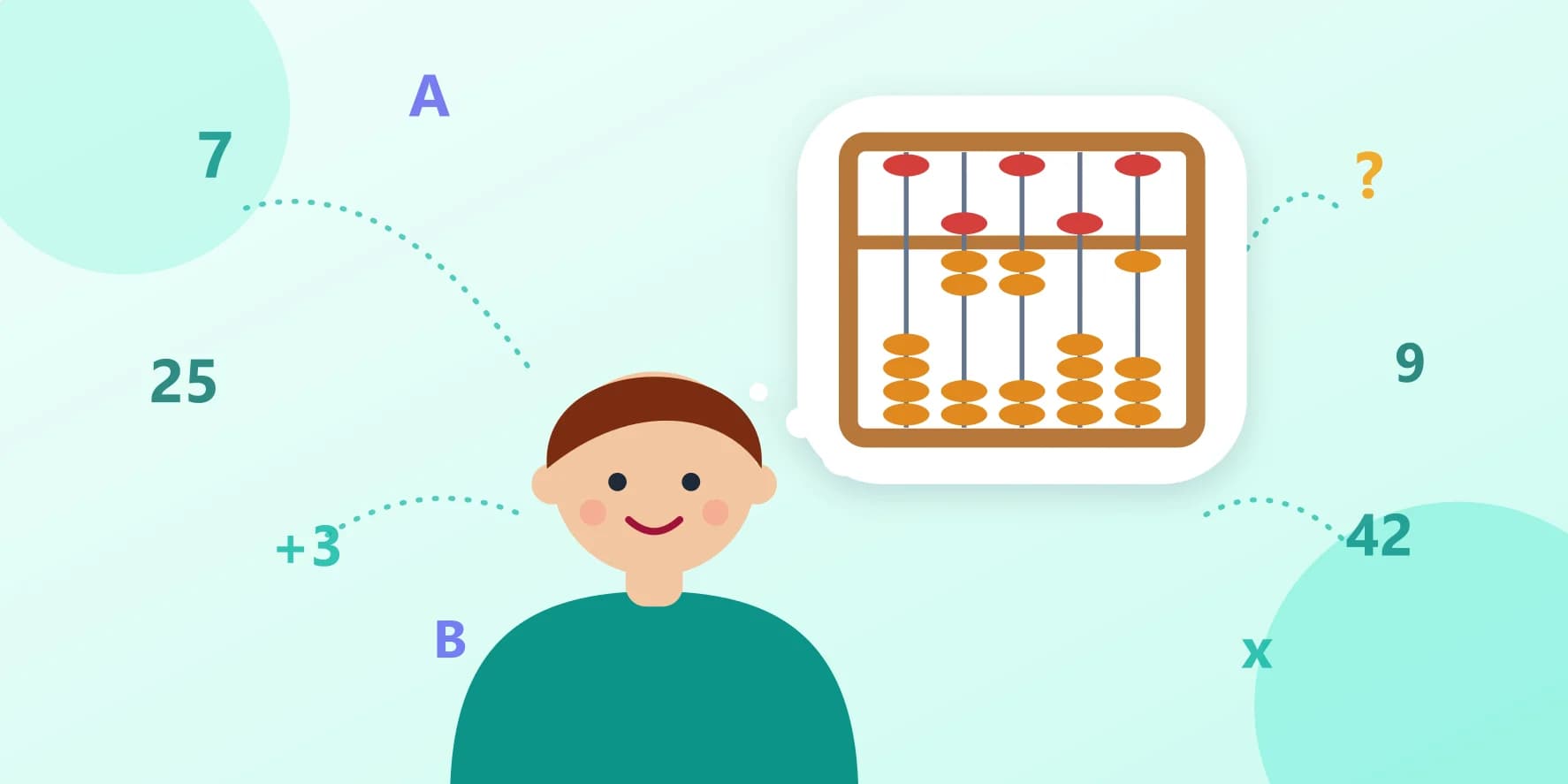
Mental arithmetic is more than fast calculation. Learn how mental-abacus training can support concentration, working memory, visualisation, information processing and learning skills.
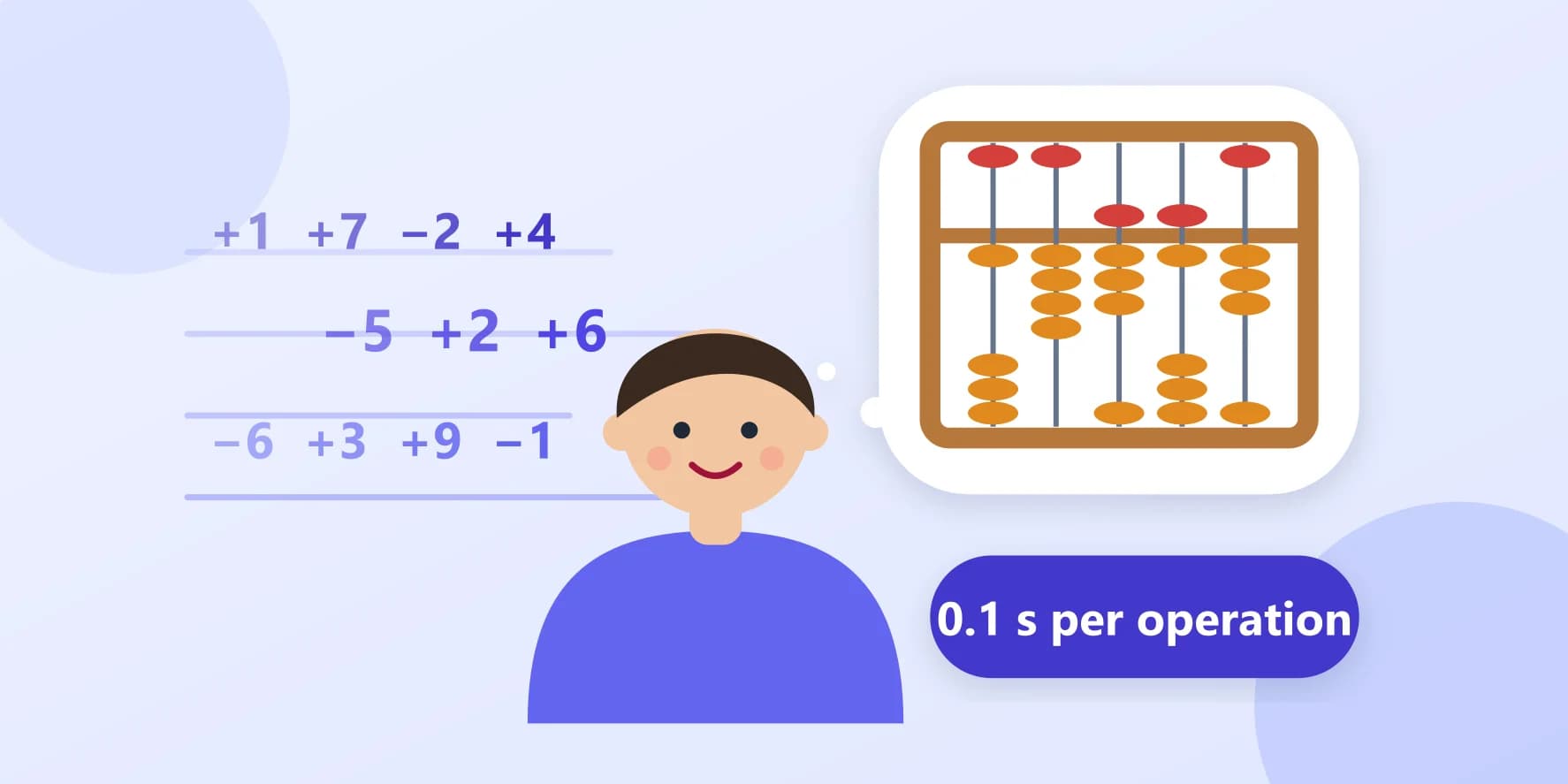
How do children progress from 3 seconds to 0.1 seconds per operation in mental arithmetic? Learn how speed, accuracy, digit length, audio support and Anzan develop step by step.
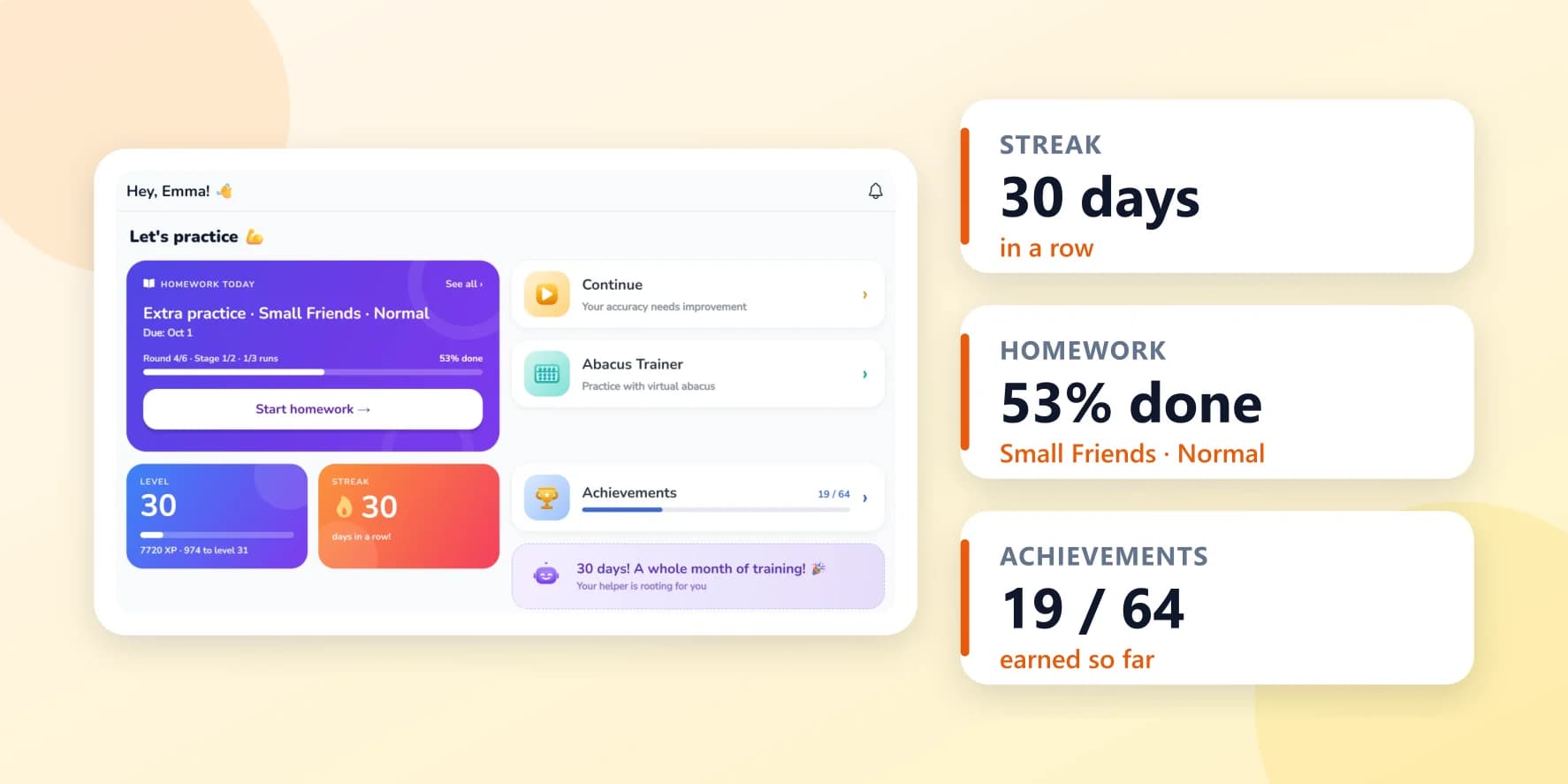
Learn how teachers can build consistent abacus practice at home using workbooks, flash cards, digital exercises, progress tracking, streaks and motivation.
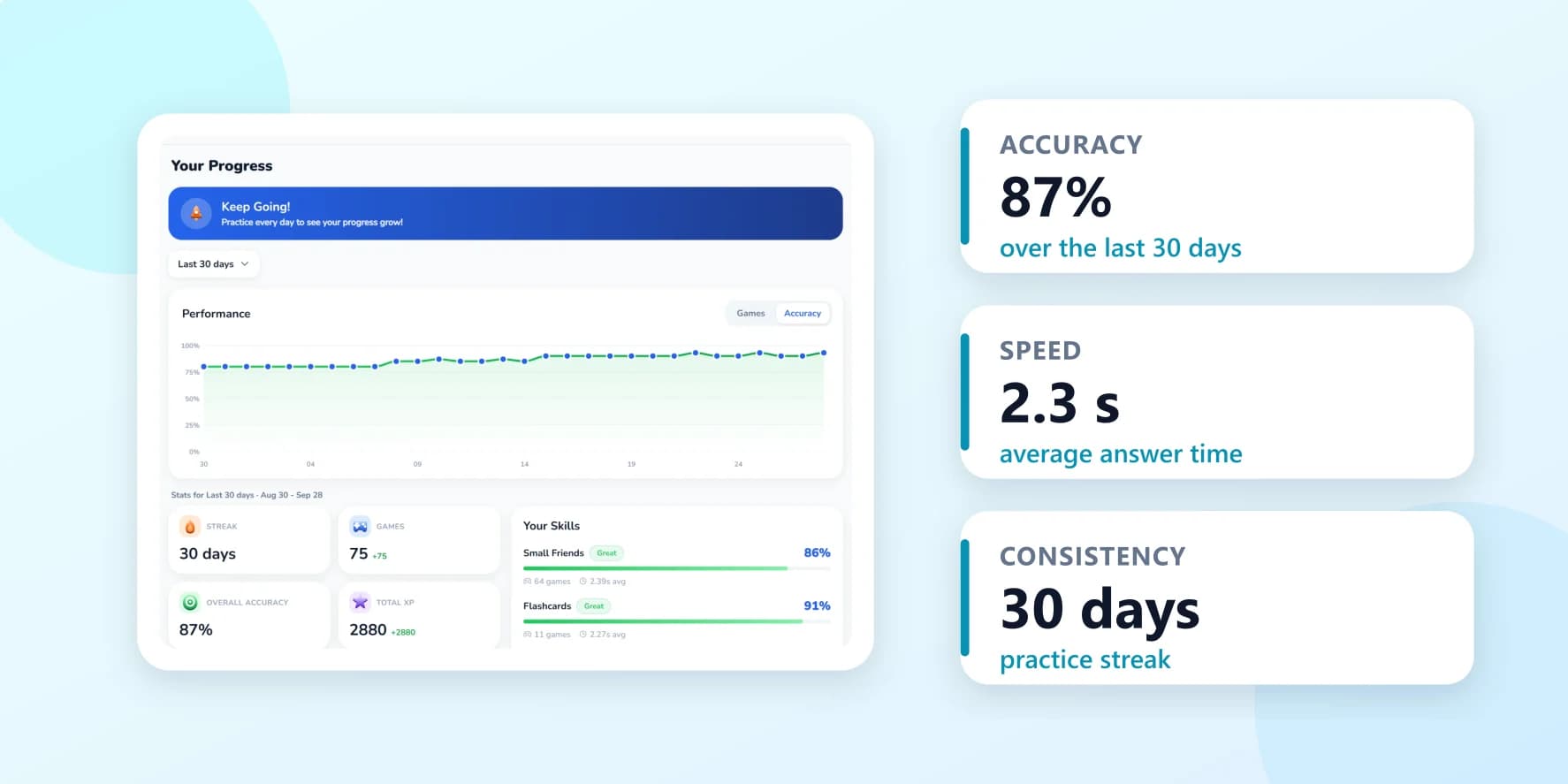
Learn how abacus teachers can track student progress using accuracy, speed, practice consistency and performance over time — and turn data into better teaching decisions.
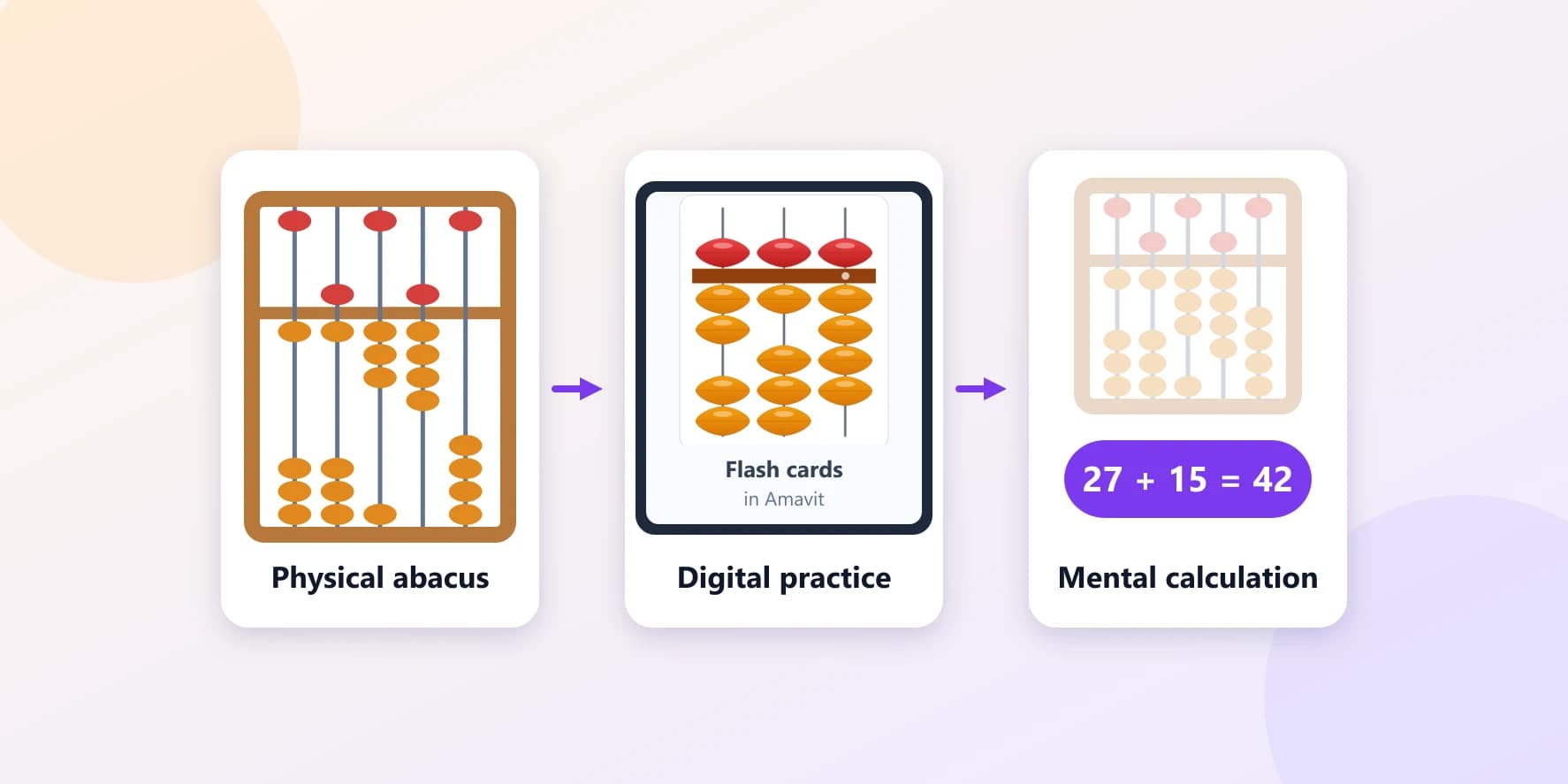
When should children use abacus worksheets, digital exercises and mental calculation? Learn how practice should change from physical abacus to mental abacus.
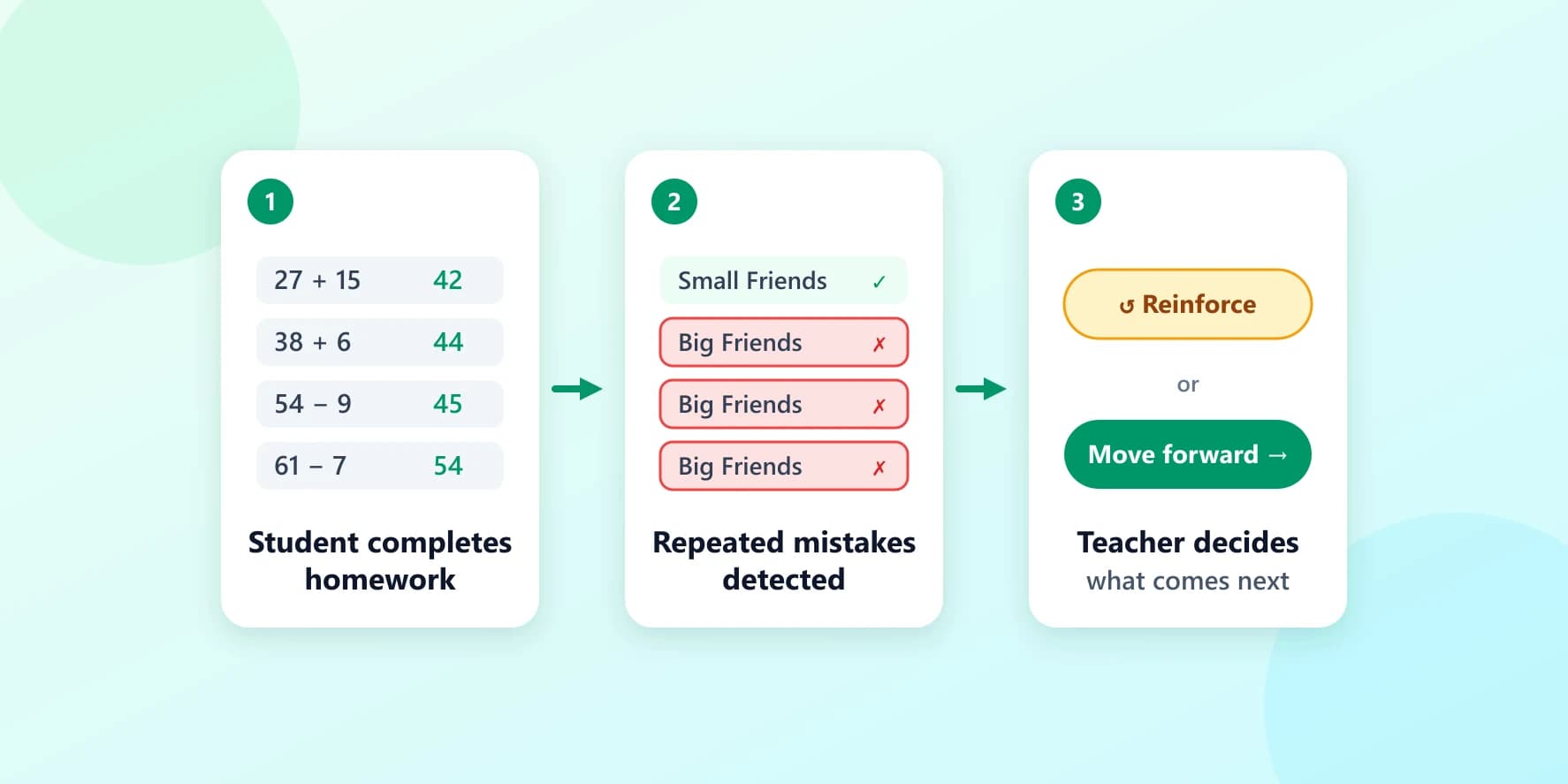
Learn how abacus homework can help teachers identify learning gaps, track recurring mistakes and decide when a student is ready to move forward.

What should a free abacus platform for teachers actually do? Varied mental arithmetic practice, abacus homework in seconds, automatic checking and progress parents can see — without replacing the teacher's methodology.
A plain-language guide for parents: what mental arithmetic really is, how it differs from school maths, and the age when it makes the most sense to begin.
You don't need to become a maths tutor. A short, calm daily routine does more for a child's progress than a long session once a week — here's how to run it.

Speed with numbers is the visible result — but the habits a child builds along the way, like focus and persistence, often matter more. An honest look at what to expect.

If every phone has a calculator, why teach a child to compute in their head? A calm, honest answer that isn't about being anti-technology.
