Group or Individual Mental Arithmetic Lessons: Which Is Better for a Child?
When parents choose mental arithmetic classes, one of the first questions is often:
“What is better — individual lessons with a teacher or group classes?”
There is no single correct answer for every child. Individual lessons can work extremely well. Group lessons can also work extremely well.
The right choice depends on the child, their personality, age, learning pace, attitude toward other children, the teacher, the family’s goals — and, of course, the parents’ budget.
So the better question is not “Which format is better?” It is:
“Which format is better for this particular child right now?”
Neither group nor individual mental arithmetic lessons are universally better. Individual lessons are usually more concentrated and can follow one child’s pace, while group lessons add social interaction, natural motivation and healthy competition. The best choice depends on the child, the teacher, the learning goal and the family’s budget.
Individual lessons are often faster
This is one of the clearest advantages of one-to-one learning. In a group, the teacher needs to:
- explain material to several children;
- check different students;
- allow time for independent work;
- answer questions;
- move attention from one child to another.
In an individual lesson, all of that time belongs to one student. As a result, the same amount of learning can often be completed much faster.
For example, material that may take a group around 60–90 minutes can sometimes be completed individually in roughly 40–45 minutes. This is not a universal formula.
Individual lessons can often be shorter because all teaching time belongs to one child. Around 40–45 minutes of focused one-to-one work may sometimes cover material that takes a group 60–90 minutes.
These are practical examples, not universal lesson-length standards.
The principle is clear: when less time is spent managing a group, the lesson itself can be more concentrated.
Individual lessons can be very dynamic
The teacher does not need to wait for anyone else.
- Did the child understand the topic? Move forward.
- Do they need another set of exercises? Do it immediately.
- Is the task too easy? Increase the difficulty.
- Did a technical problem appear? Stop and work on that exact problem.
A good individual lesson can therefore be extremely intensive. In 45 minutes, a child may complete an amount of focused work that would require much longer in a group.
The teacher can watch one child continuously
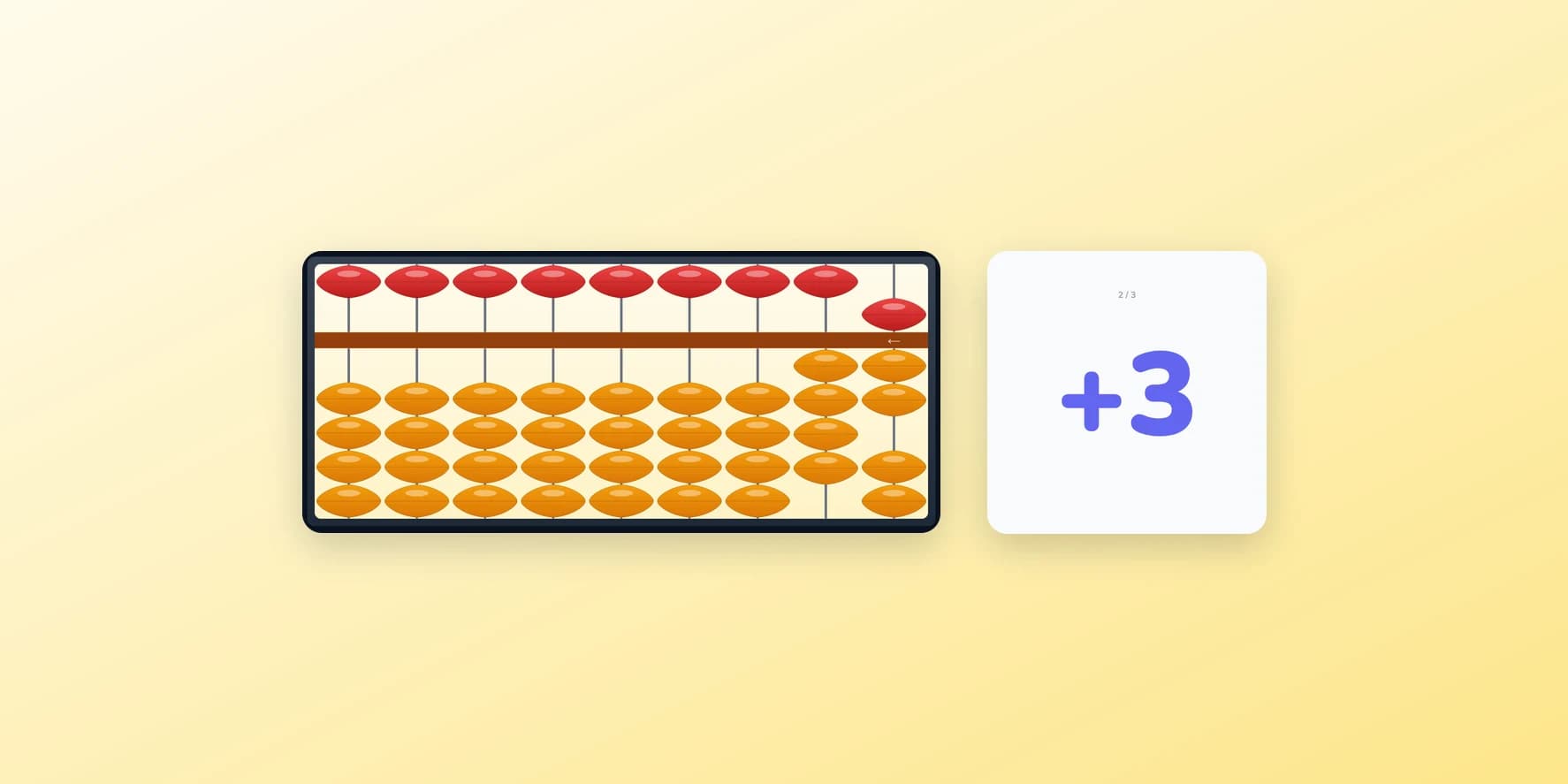
This is especially valuable at the beginning, when technique is being established. The teacher can constantly observe:
- hand position;
- finger movements;
- unnecessary movements;
- Small Friends;
- Big Friends;
- technical errors;
- the development of mental calculation.
Very little can go unnoticed. For building correct technique, that is a major advantage — and technique is the first thing to look at when choosing a good mental arithmetic teacher.
Individual lessons make it easier to follow the child’s own pace
A group usually follows a common curriculum. One topic this week. Another topic next week. But children are different. One child understands the material very quickly. Another needs more time.
In an individual lesson, there is no need to follow the average pace of the group. If the child is ready, the teacher can move faster. If not, they can stay with the topic longer.
One-to-one lessons are especially useful for targeted correction
Individual work can be extremely effective when there is a specific problem. For example, the child:
- missed several lessons;
- moved from another school or program;
- needs to correct finger technique;
- struggles with a particular Friend;
- has an old weak topic (see why children keep making the same mistakes);
- has started difficult multiplication or division;
- is preparing for a competition.
In these situations, the teacher can focus on one problem and work through it step by step.
But more teacher attention does not automatically mean a better result
This is where the other side appears. When a child studies alone, all of the teacher’s attention is directed at them continuously.
For some children, this is ideal. For others, 40–60 minutes of constant attention can become tiring. There is no moment to switch attention briefly, watch another child, listen to someone else answer or mentally reset while the teacher works with another student.
So individual lessons can be very efficient, but they can also be very intensive. That is one reason why they often do not need to be as long as group classes.
Group lessons have a different psychology
Humans are social by nature. Children are too. In a group, a child is not only watching the teacher. They are also watching other children. They see:
- who has completed the task;
- who made a mistake;
- who struggled today;
- who set a new record;
- who moved to the next speed.
That social environment becomes part of the learning process.
In a group, the child understands: “I am not alone”
This can be especially important when learning becomes difficult. A child struggles with a topic. But they see that another child struggled with it yesterday and succeeded today. They may think:
“Then I can probably do it too.”
Or the opposite happens. The child finally solves a difficult exercise. Other children notice. The student feels:
“I did it.”
A group creates an emotional learning environment that is difficult to reproduce completely in a one-to-one lesson.
Groups create natural motivation
The teacher does not need to turn every lesson into a competition. Children naturally notice each other. Someone finishes faster. Someone gets a high score. Someone reaches a new speed. Someone performs Anzan successfully for the first time.
And another child thinks:
“I want to try that too.”
This kind of social motivation can be particularly powerful in long-term programs.
But a group should not become constant comparison
There is an important boundary. It is useful for children to see other students. It is not useful to hear every day:
“Look, this child is better than you.”
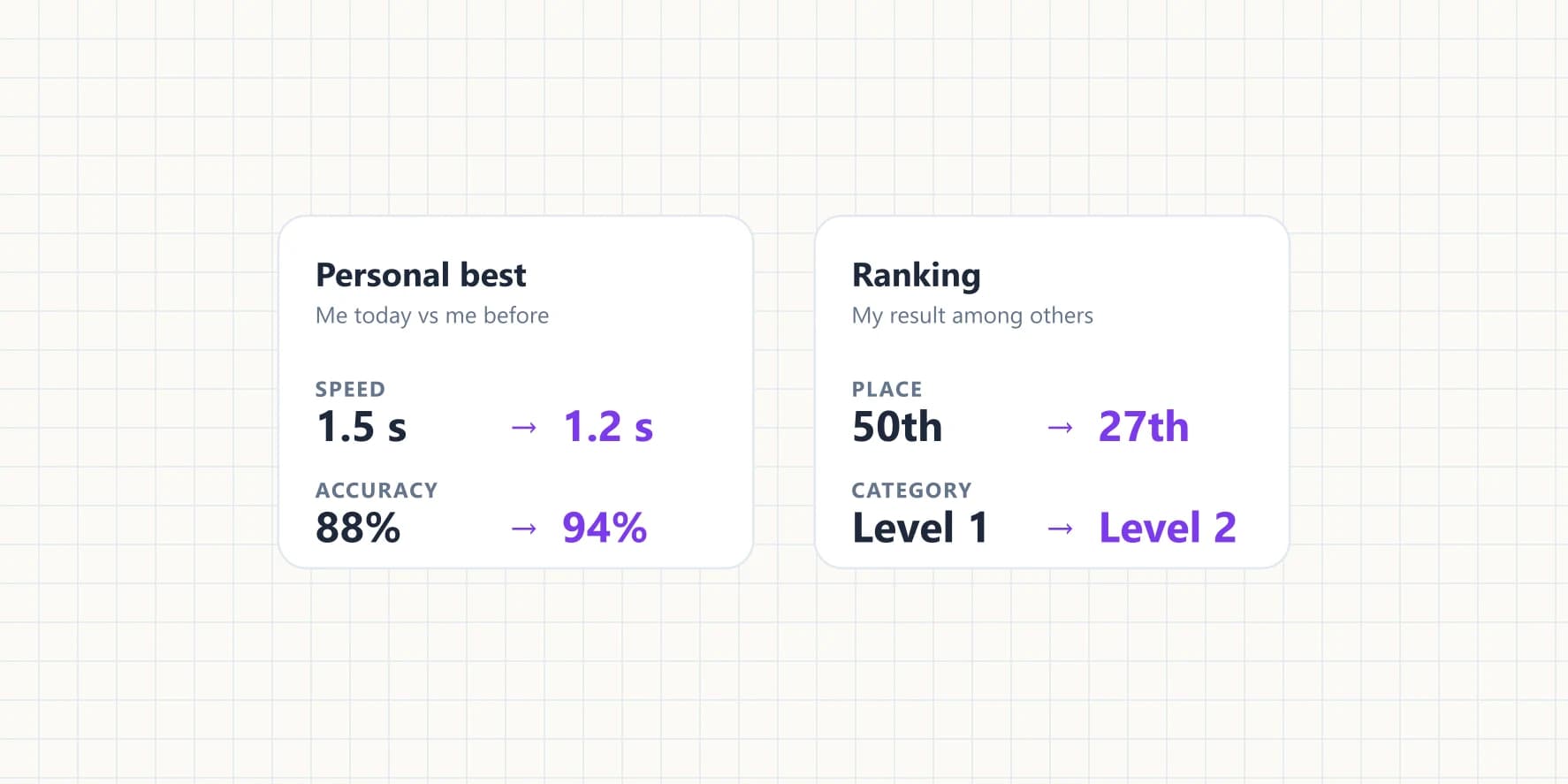
The main comparison should still be the child today versus the same child in the past — see how to measure a child’s progress in mental arithmetic. What could they do a month ago? What can they do now?
But a group adds another useful reference point: How are other children learning around me? Both perspectives have value — in everyday lessons and, later, in mental arithmetic competitions.
Group learning provides social experience
And this goes beyond mental arithmetic. A child learns to:
- be part of a group;
- wait;
- listen to others;
- avoid interrupting;
- show their work;
- make mistakes in front of others;
- win;
- lose;
- ask for help;
- sometimes help someone else.
These are ordinary social skills. They are a natural part of childhood development.
A group is a small model of society
At home, the environment naturally revolves around the child. In an individual lesson, the teacher also adapts almost everything to one student.
In a group, another idea appears: “There are other people here too.” Sometimes I have to wait. Sometimes someone else answers. Sometimes another child is stronger. Sometimes I am stronger.
That is useful experience.
Individual and group lessons therefore provide different advantages
Individual lessons are particularly strong when a child needs:
- focused attention;
- faster progression;
- technical correction;
- a personalised pace;
- maximum teacher observation.
Groups are particularly strong when the child benefits from:
- a social environment;
- motivation;
- interaction;
- healthy competition;
- a sense of learning together.
Neither set of benefits is automatically more important for every child.
Individual
More teacher attention · personal pace · faster lesson flow · easy technical correction · higher cost
Group
Social interaction · natural motivation · healthy competition · learning from peers · usually more affordable
Neither is universally better. The right format depends on the child.
Personality can make a major difference
Imagine two children. The first is very social. They enjoy talking, competing, showing results and watching others. One-to-one lessons may become boring for them. In a group, they become more engaged.
The second child may be quiet, slow to adapt, easily distracted or uncomfortable answering in front of others. Individual lessons may initially feel much more comfortable.
Both are normal — just as it is normal that mental arithmetic itself is not the right fit for every child.
A shy child does not necessarily need individual lessons forever
Sometimes a small, friendly group can actually be very helpful. At first, the child interacts very little. Then they become familiar with the environment. They begin answering. Later, they join a game. Then perhaps a small competition.
Gradually, social confidence develops too. So a child’s personality should influence the choice, but it does not always have to determine the format forever.
Strong students may progress faster individually
Some children understand new topics very quickly, practise a lot at home, have strong technique and are highly motivated.
If the group progresses at one topic per week and the child can comfortably move faster, individual lessons may allow more rapid progression. But that is not the only option.
A strong child can stay in the group while receiving harder work
For example, the group studies the same topic. But the stronger student can receive higher speed, longer chains, larger digit lengths, more mental practice and more difficult mixed exercises. So:
the topic can be shared while the level of challenge is individual.
The child keeps the social benefits of the group without becoming bored.
A child who falls behind does not always need to leave the group
If a student begins struggling, the first question should be: why? Perhaps home practice has been inconsistent; several lessons were missed; an old topic was never fully consolidated; the speed is too high; there is a technical mistake.
Sometimes one or several individual lessons are enough to correct the problem and return the child to the normal group flow. There is no need to change the entire learning format automatically.
A mixed model can be especially effective
For many children, this may be one of the strongest solutions. The main program happens in a group. When needed, the teacher adds individual work. This gives the child:
- group learning for the main curriculum and social environment;
- individual lessons for targeted correction.
That can combine the strengths of both formats.
- Group lesson
- Individualised home practice
- Progress tracking
- Individual lesson when needed
- Return to group
Personalisation does not always require permanent one-to-one teaching.
A good group does not mean identical practice for every child
This is particularly important in modern mental arithmetic. Children may learn the same new topic together. But they may need different amounts of practice afterwards. For example:
- one student needs 30 repetitions;
- another needs 60;
- another needs a lower speed;
- another needs more work on an older weak topic;
- another is ready for higher complexity.
| Whole group: Big Friends | |
|---|---|
| Child A | normal practice |
| Child B | more repetitions |
| Child C | lower speed |
| Child D | longer chains |
| Child E | additional weak-topic practice |
Learn together. Practise according to individual needs.
So a modern model can be: shared lesson + personalised practice.
Technology has changed what group learning can look like
Traditionally, personalising a group was difficult. Imagine a teacher with 20–30 students. Creating 20 different homework plans manually takes a huge amount of time.
So the practical solution was often:
“Everyone completes pages 20–24.”
Digital tools make another model possible. The group can stay on one learning path while individual practice parameters change from child to child.
How this works in Amavit
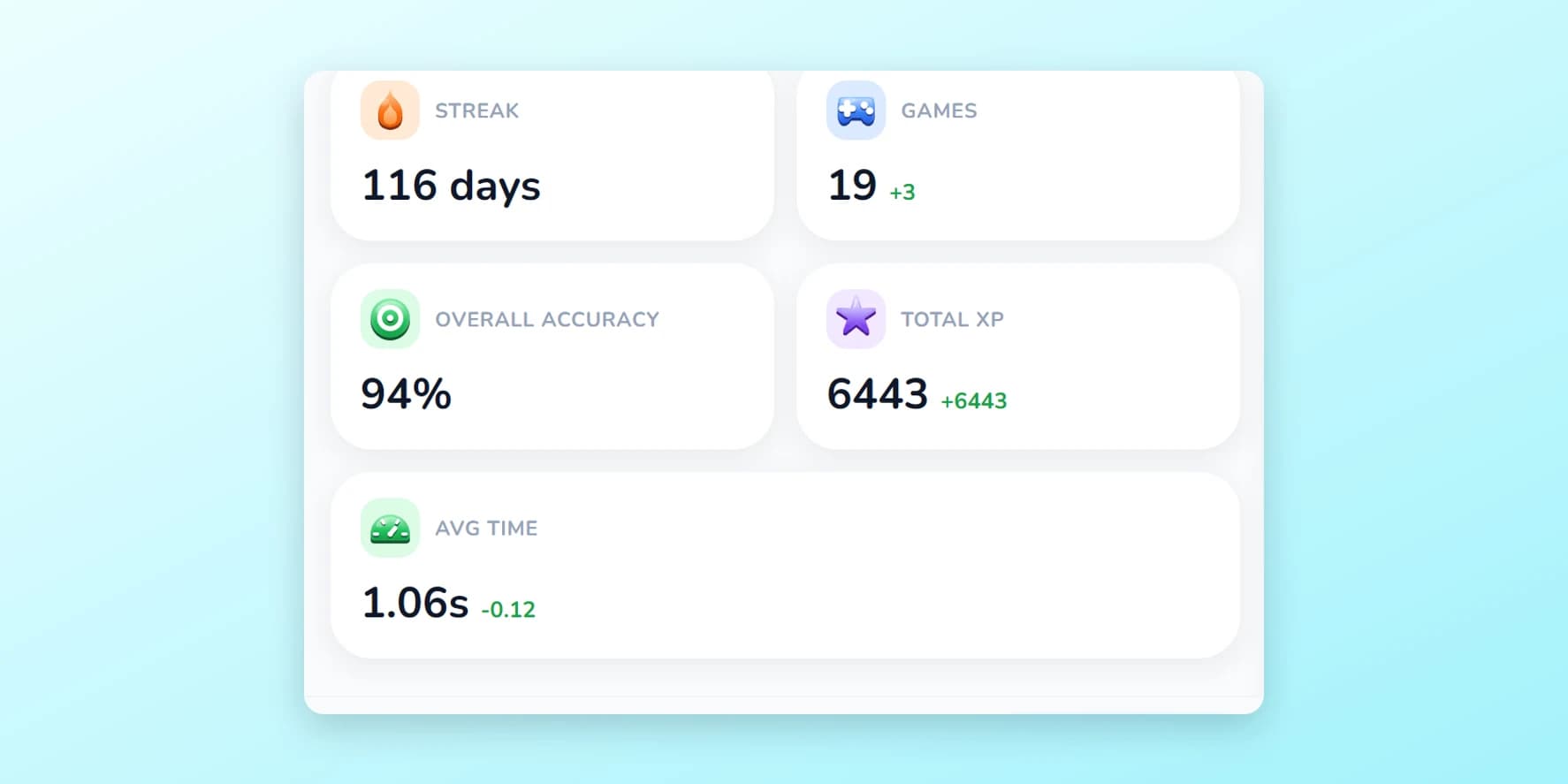
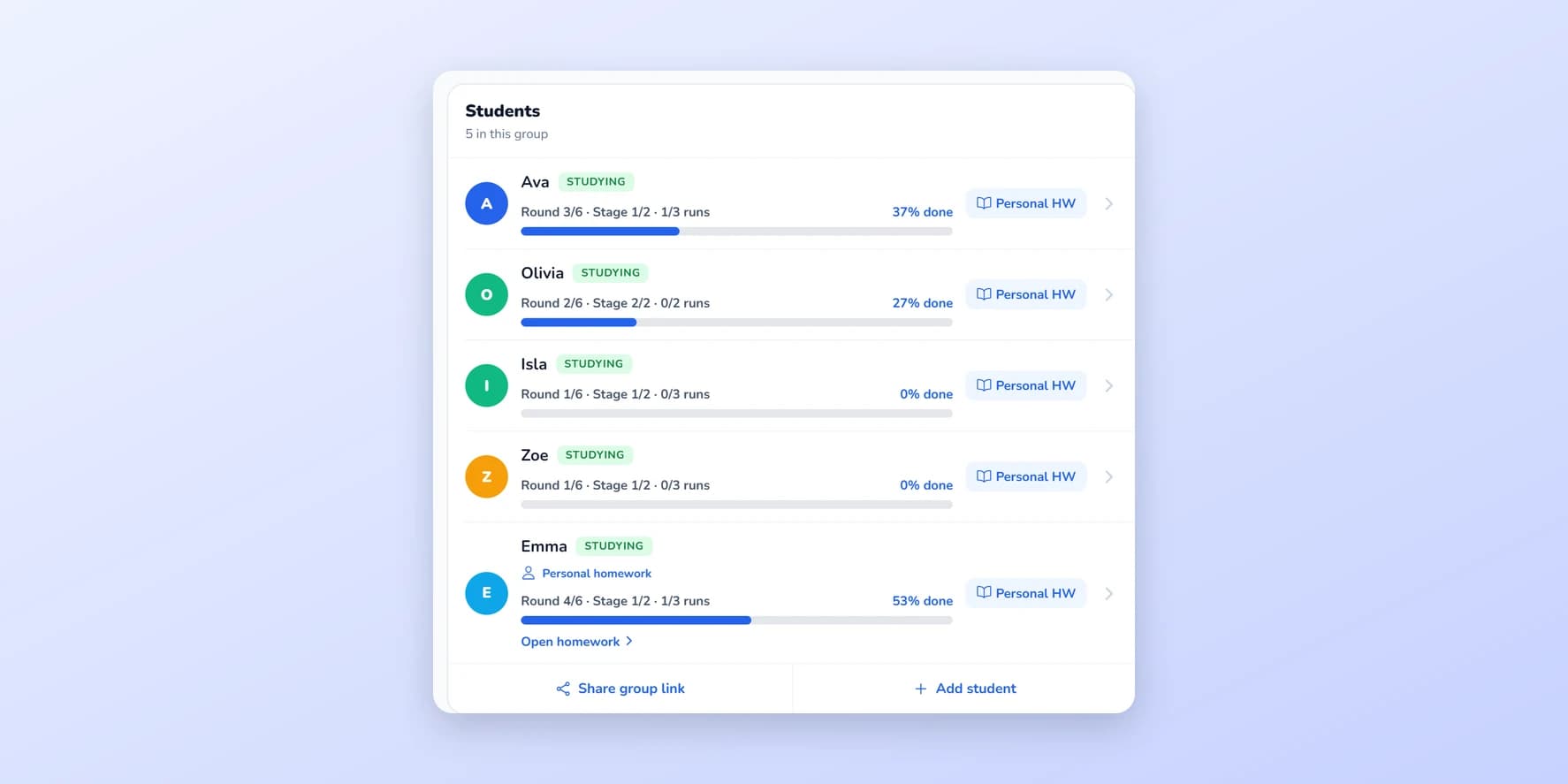
For example, an entire group studies the same topic. But the teacher can still see each student separately: accuracy, speed, practice volume, errors, consistency and progress trends.
One child can receive more repetitions. Another can work at a higher speed. A third can revisit an older weak topic.
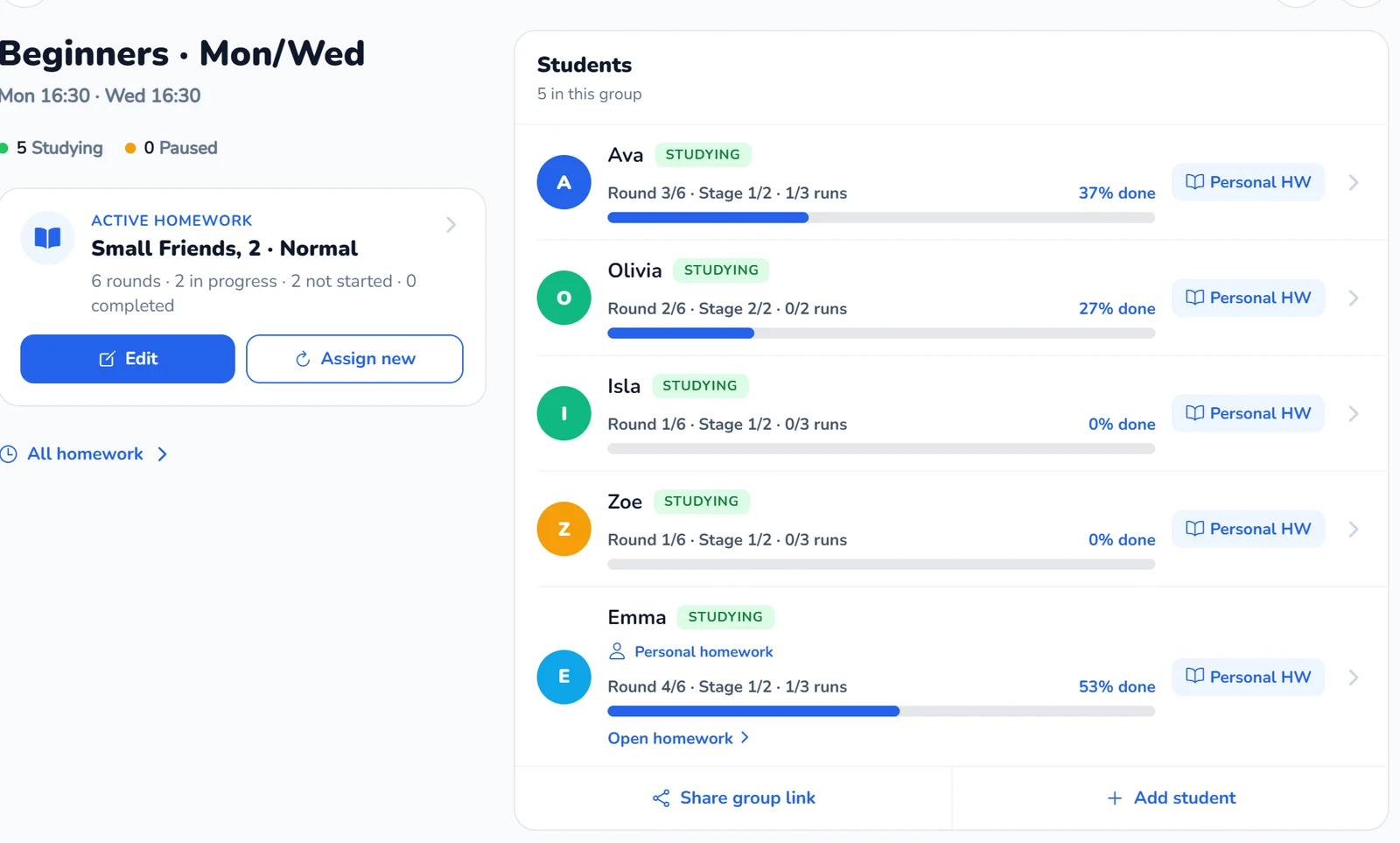
The result is an important principle:
children can learn together without having to practise identically.
Teach the group. See the individual.
This reduces the old conflict between group and individual learning
Traditionally, the choice often looked like this:
- group — more affordable, but the same for everyone;
- individual — more expensive, but personalised.
Today that boundary can be much softer. Group learning can remain social and more economical. At the same time, practice within the group can become far more individualised.
Technology should not turn every child into a separate class. It should help the teacher personalise practice without losing the benefits of learning together.
Cost matters too
There is no reason to avoid this factor. Individual lessons usually cost more. That is natural. The teacher is dedicating their time to one student instead of several.
Yes, the lesson itself may be shorter. For example, instead of a 60–90 minute group lesson, approximately 40–45 minutes of concentrated individual work may sometimes be sufficient. But dedicated teacher time still generally costs more.
So the choice is also a financial decision for the family.
More expensive does not automatically mean better
It is important not to confuse price with quality. Parents can pay significantly more for individual lessons. But if:
- the teacher is weak;
- the child is not motivated;
- there is no home practice;
- technique is not monitored,
the higher price guarantees nothing. A strong teacher, a well-run group and regular home practice can produce excellent results.
Home practice may matter more than the lesson format
Imagine: one child has two individual lessons each week but does nothing between them. Another has one good group lesson and practises regularly at home.
The second child may progress faster. Mental arithmetic requires automaticity. And automaticity is not built only during the lesson. It develops through regular practice between lessons — see how much practice a child needs each day.
So lesson format is only one part of the system.
Group size matters
A group of four children and a group of thirty are very different learning environments. The younger the children and the more attention needed for technique, the more important it is that the teacher can actually observe each student.
So the quality of group learning depends not only on the word “group.” It also depends on group size, age, lesson structure, teacher quality, support staff and progress-monitoring tools.
There is no single perfect group size for every program.
Small groups often provide a strong balance
In a small group, the teacher can still observe students closely. At the same time, children receive interaction, motivation, some healthy competition and a sense of being part of a team.
For many children, a small group can therefore be an excellent starting format.
Individual lessons should also be designed differently
One mistake is to take a 90-minute group lesson and simply deliver the same lesson to one child. That is not always necessary.
The advantage of individual learning is high learning density. If a child can complete the same useful work in 45 minutes, there is no reason to stretch the lesson artificially.
This is particularly important with younger children. Quality of concentration matters more than lesson length.
Group lessons should not be stretched artificially either
Duration alone proves nothing. A poor 90-minute lesson is not better than an excellent 45-minute lesson. What matters is:
- what the child actually did;
- how engaged they were;
- what they understood;
- how much useful practice they completed;
- what feedback the teacher provided.
How should parents choose?
Start with the child, not the theory.
- Does the child enjoy being around other children? Or do they focus better one-to-one?
- Do they become distracted in a group?
- Do other children motivate them?
- Do they need a very unusual pace?
- Is there a specific learning problem?
- Is the cost of individual lessons comfortable for the family?
The answer is usually a combination of these factors.
The choice can change over time
A format selected at the beginning does not need to remain permanent. A child can start individually, develop technique and move into a group.
Or study in a group, take several individual lessons, correct a problem and return to the group. Before a competition, individual work may temporarily increase. Afterwards, the child can return to the normal format.
Education should remain flexible.
How do you know the chosen format is working?
Do not judge by theory. Look at the child. Are they:
- attending without constant resistance;
- understanding the material;
- maintaining correct technique;
- practising regularly;
- making progress;
- staying motivated;
- gradually handling greater difficulty?
If yes, the format is working.
The main conclusion
Both group and individual mental arithmetic lessons can be excellent.
Individual lessons are often more concentrated, faster, easier to adapt to one child and better for continuous technique monitoring — but generally more expensive. Because individual work is more intensive, the lesson can often be shorter. Roughly 40–45 minutes of focused one-to-one work may sometimes cover what a group needs 60–90 minutes to complete.
Group lessons provide something different: a social environment, natural motivation, observation of other children, healthy competition, interaction and a sense of learning together.
Modern digital practice can also reduce one of the traditional limitations of group learning: children can learn the same topic together while receiving different practice volume and difficulty.
So there is no universal winner. For one child, a group is better. For another, individual lessons. For a third, the strongest solution may be group learning plus occasional individual sessions.
And it is completely normal for the decision to depend not only on methodology, but also on the child’s personality, their preferences, family goals and the parents’ budget.
Because the best learning format is not the most expensive one or the most fashionable one. It is the format in which this particular child learns well, stays engaged and continues to progress.
Frequently asked questions
Are individual mental arithmetic lessons better than group lessons?
Not necessarily. Individual lessons provide more personal attention and can move faster, while groups provide social interaction, motivation and peer learning.
Why are individual mental arithmetic lessons often shorter?
Because the teacher works with only one student and does not need to divide time between several children. This can make the lesson more concentrated.
How long should an individual mental arithmetic lesson be?
There is no universal duration. In practice, some children can complete focused one-to-one work in around 40–45 minutes that may take longer in a group.
Are group mental arithmetic lessons good for children?
Yes. A well-managed group can provide motivation, social interaction, healthy competition and the experience of learning alongside peers.
Can children in the same group receive different homework?
Yes. A shared curriculum can be combined with different speeds, practice volumes, difficulty levels and weak-topic reinforcement.
When are private mental arithmetic lessons especially useful?
They can be particularly useful for correcting technique, catching up after missed lessons, working on specific weaknesses, accelerating advanced students or preparing for competitions.
Can a child combine group and individual mental arithmetic lessons?
Yes. For many children, group learning plus occasional one-to-one sessions is an effective combination.
Free for teachers