How Long Should a Child Study Mental Arithmetic — and Why a Few Months Are Usually Not Enough
When parents bring a child to mental arithmetic classes, one of the first questions is very simple:
“How long does my child actually need to study?”
Three months? Six months? One year? Two years?
There is no single number that works for every child. Programs are different. Children are different. Family goals are different too.
But if we are talking about building a stable and lasting skill, one thing is important to understand: a few months are usually only the beginning of the journey.
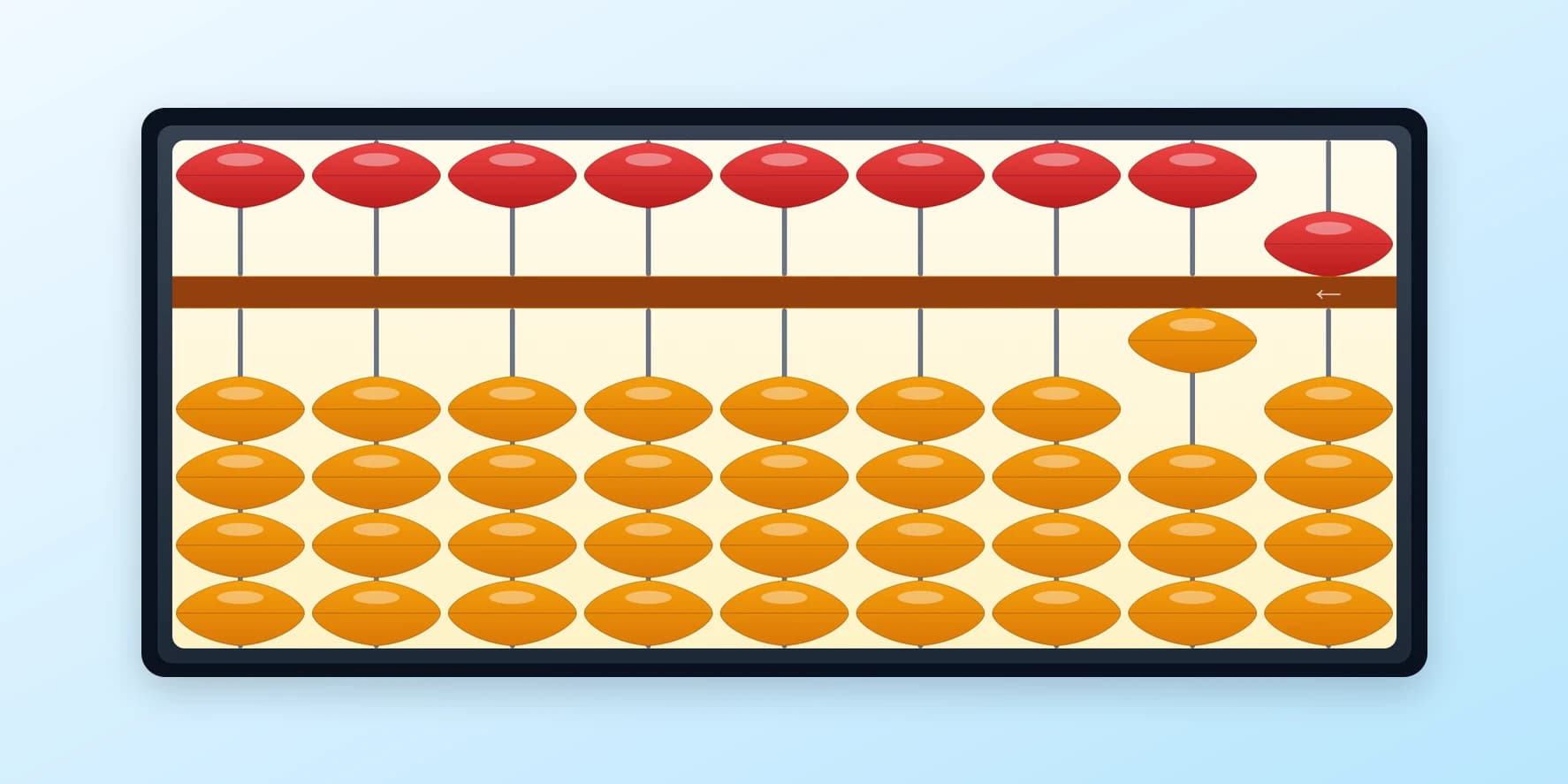
During that time, a child may learn how to use an abacus, understand the first rules and begin calculating faster.
But there is a big difference between:
“I understand how it works”
and “This skill has become stable and automatic.”
A few months can build the foundation, one year can produce significant progress, and around two years of regular practice can be a useful benchmark for a full basic mental arithmetic cycle. The exact duration depends on the curriculum, practice consistency and the child’s goals.
Mental arithmetic is not a short fast-calculation course
Progress can look very impressive during the first weeks.
Not long ago, the child had never used an abacus. A few weeks later, they may already be able to:
- represent numbers;
- perform simple operations;
- use the first calculation rules;
- begin mental calculation.
Parents see rapid progress and sometimes think:
“That’s it. The child has learned it.”
But this is similar to saying:
“The child can play one simple melody, so the musical instrument has been mastered.”
Not quite. The child has genuinely learned something. But most of the development is still ahead.
The first months are mainly about building the foundation
At the beginning, the child learns:
- correct finger movements;
- the structure of the physical abacus;
- Simple;
- Small Friends and Big Friends;
- the first transitions;
- place value;
- the first mental exercises.
All of these elements will later become part of more advanced tasks. At this stage, however, the child is mainly building the base.
That is why the first few months are very important, but they are rarely the end of the program.
One academic year can already include dozens of topics
In many teaching systems, a new topic is introduced approximately once a week. If the child completes home practice regularly, this pace can work very well.
Over an academic year, a program may include around 38–40 sequential topics or learning stages.
That is already a large amount of material. During this time, a child may gradually work through:
- basic operations;
- Friends;
- transitions;
- mixed combinations;
- larger digit lengths;
- mental calculation;
- preparation for Anzan.
And each topic needs more than a single explanation. It must be practised many times.
Understanding a rule is not the same as having a skill
A teacher may explain a rule in five minutes. The child may understand it immediately.
But understanding is not yet automatic skill.
A skill is formed when the child can:
- recognise the situation;
- identify the correct rule;
- perform the correct action;
- do it with very little conscious effort.
That requires repetition. A lot of repetition.
This is one of the reasons why the length of the program matters.
What often happens during the first year
The first year can be viewed as a period in which the child:
- builds mechanics;
- consolidates the main rules;
- adds more topics;
- moves from physical abacus to mental abacus;
- increases speed;
- increases complexity;
- learns to combine old and new skills.
That is already a serious result. But for many children, this is also the point where the next level begins.
Why one year is often not the end
After the basic stage, development can continue in several directions:
- Anzan;
- higher speed;
- longer chains;
- larger digit lengths;
- stronger mental-abacus stability;
- multiplication and division;
- advanced algorithms;
- powers and roots;
- competition formats.
The program can therefore become significantly deeper.
This is why around two years of regular study can be a useful practical benchmark for a full basic cycle.
Not a magic number. Not a mandatory duration for every child. A practical guideline.
- A few months foundation
- Around 1 year serious skill development
- Around 2 years full basic cycle, stronger automaticity
- Beyond Anzan, multiplication, division, advanced calculation, competition
The exact timeline varies by child and curriculum.
Why two years can produce a very different result
A child who has studied for three months may understand the method.
A child who has practised regularly for two years has had much more time to build stable automaticity.
During that period, the child repeatedly:
- returns to older topics;
- uses them inside new ones;
- works at different speeds;
- works with different digit lengths;
- switches between formats;
- strengthens the mental image of the abacus.
The skill is not simply introduced. It is tested and reinforced again and again.
Automaticity cannot be created instantly
You can see the same pattern in many other skills.
When someone first learns to drive, they consciously think about almost every action. Later, many actions become automatic.
The same is true in swimming, playing a musical instrument, chess, sports — and mental arithmetic.
At first, the child thinks:
- Which Friend?
- Which movement?
- Which transition?
Later, after hundreds and thousands of repetitions, the child simply performs the action.
That transition from conscious control to automatic execution takes time.
- Understand
- Repeat
- Automate
- Maintain
- Advance
Long-term practice turns a learned rule into a stable skill.
Thousands of repetitions are not a weakness of the program
Sometimes parents wonder:
“How many similar exercises does a child really need?”
Repetition is the basis of automaticity. The question is not whether repetition is necessary. It is.
The better question is how well it is organised — and how much practice a child needs each day.
A child can be given one thousand almost identical exercises and quickly become bored. Or the same training load can be distributed across:
- workbooks;
- flashcards;
- audio exercises;
- screen-based tasks;
- mental calculation;
- competition formats;
- mixed topics.
The underlying training remains intensive. But the learning experience feels very different.
Old topics should not disappear after they are completed
This is another reason why long-term learning matters.
The child learns Small Friends. Then Big Friends appear. But Small Friends continue to be used.
Later comes Anzan. Again, all the earlier rules remain active inside the new skill.
Then multiplication. Then division. Then more advanced operations.
The program should not look like:
learn → forget → move on.
It should look like:
learn → consolidate → mix → reuse at a higher level → revisit when needed.
That is how a strong system develops.
Why a short course can create a false sense of completion
After a few months, the child may already demonstrate impressive results. They calculate faster. They can use the abacus. They may solve a short mental example.
That is real progress. But the skill can still be fragile.
If practice stops completely, some elements may gradually weaken. Especially:
- speed;
- long chains;
- less frequently used rules;
- mental-abacus stability.
This is normal. Skills that are used regularly become stronger. Skills that are no longer used gradually lose automaticity.
What happens if a child stops too early
This does not mean everything disappears. It does not. Part of the experience remains.
But the child may begin to struggle more with:
- rapid rule recognition;
- maintaining high speed;
- long chains;
- mental calculation;
- rare combinations.
The longer a skill has been used regularly, the more stable it usually becomes.
One year is already a serious achievement
It is important not to go to the other extreme. It would be wrong to say:
“If a child did not study for two years, it was useless.”
That is not true.
A child can make enormous progress in one year. They can learn a large part of the program. Increase speed. Improve concentration. Develop mental calculation.
One year is already a significant stage. It is simply often not the entire possible journey.
Two years is not a rigid standard
Education does not work like this:
“At exactly 24 months, the skill is complete.”
One child progresses faster. Another progresses more slowly.
Some schools teach one hour per week. Others teach ninety minutes. Some teach twice a week. Curricula differ too.
So two years should not be treated as a formula. It is a practical reference point.
What matters more is:
- what the child actually studied;
- how regularly they practised;
- how stable the skill became.
Why some children continue for much longer
If the child remains interested, the program can continue to develop. New goals can include:
- high-speed Anzan;
- multi-digit calculation;
- multiplication;
- division;
- powers;
- roots;
- Double Power;
- competitions;
- other fast-calculation systems.
Mental arithmetic can therefore become a multi-year program.
Not because learning is deliberately stretched. But because there is genuinely another level to move toward.
Does every child need to reach the highest level?
No. Families have different goals.
- One child may want to master the basics.
- Another may enjoy competition.
- A third may love speed.
- A fourth may want to explore advanced calculation as far as possible.
There is no need to turn every student into a champion. The duration should match the goal.
Why motivation becomes especially important in a long program
The first month is usually exciting. Everything is new. A new tool. New exercises. Fast visible progress.
Then comes the normal training phase. The child needs to repeat. Consolidate. Return to older topics.
This is exactly where many children begin to lose interest. That is completely natural.
This is why motivation is not a decorative extra. It is part of the methodology — see why children lose interest and how to keep them motivated.
How a digital platform helps over the long term
If the child spends two years doing only page 20, page 21, page 22, page 23, repetition can become psychologically exhausting.
Changing the format helps. For example:
- workbook;
- flashcards;
- audio tasks;
- screen-based exercises;
- mental calculation;
- Anzan;
- personal records;
- achievements;
- competition elements.
The child still repeats core skills. But the training no longer feels like the same task every day.
Long-term learning also requires analytics
There is another challenge.
Over one or two years, the child works through many topics. It is possible that a topic learned eight months ago begins to weaken.
If nobody notices, new material is then built on top of an old gap.
That is why a teacher needs to see more than today's homework. They need to see trends.
How Amavit helps track long-term progress
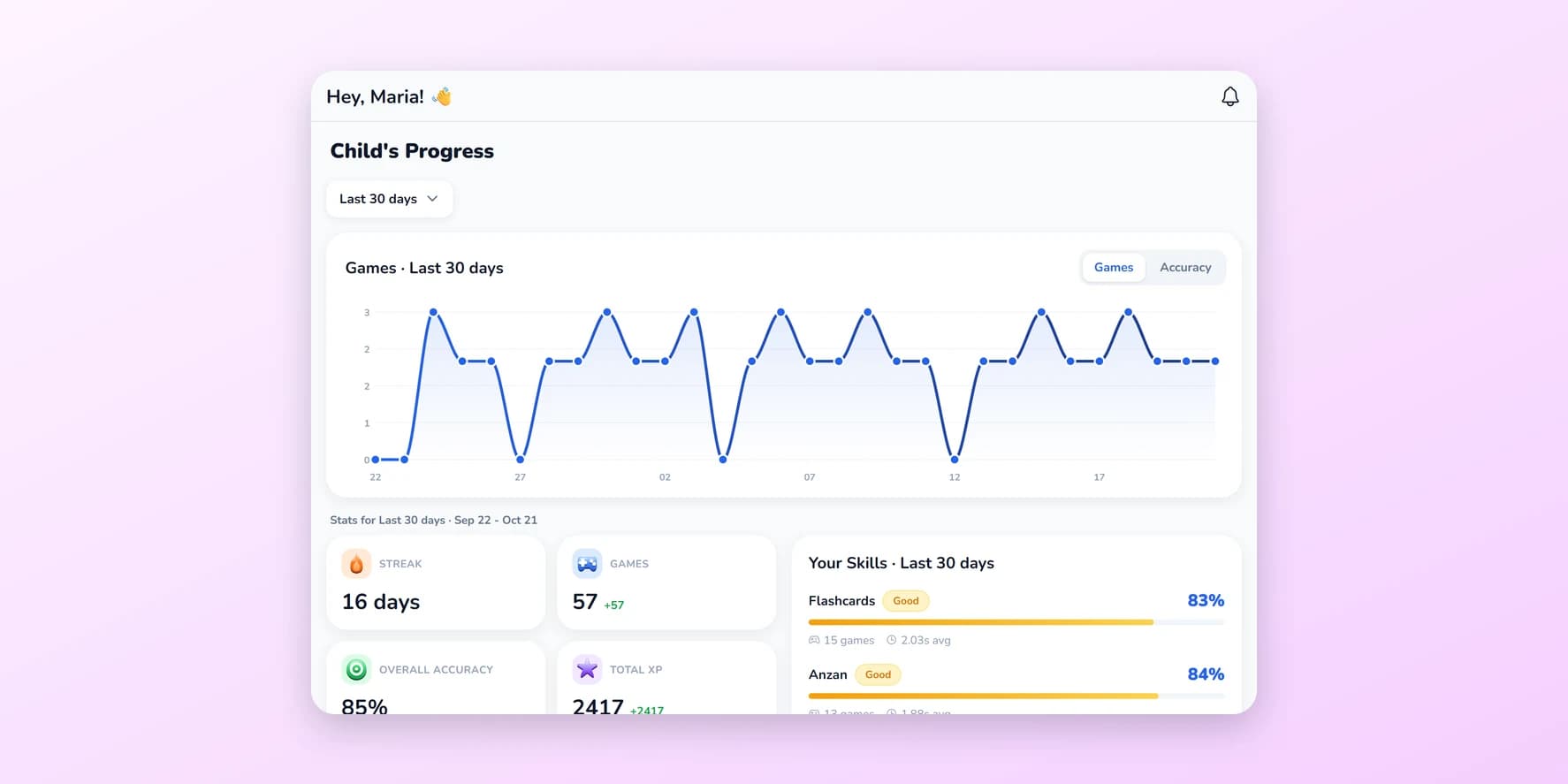
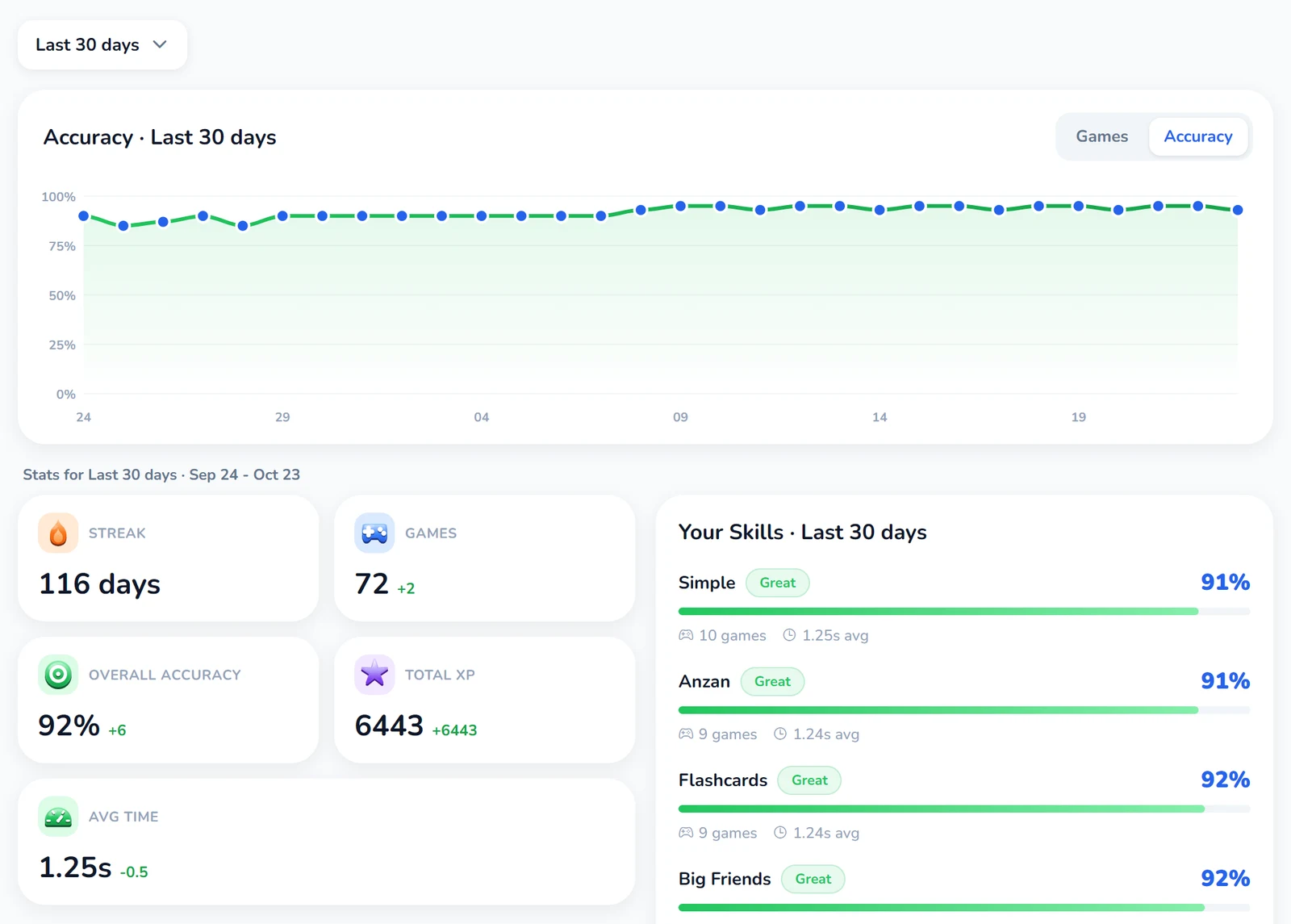
In Amavit, the teacher can follow how the child develops over time. For example:
- practice consistency;
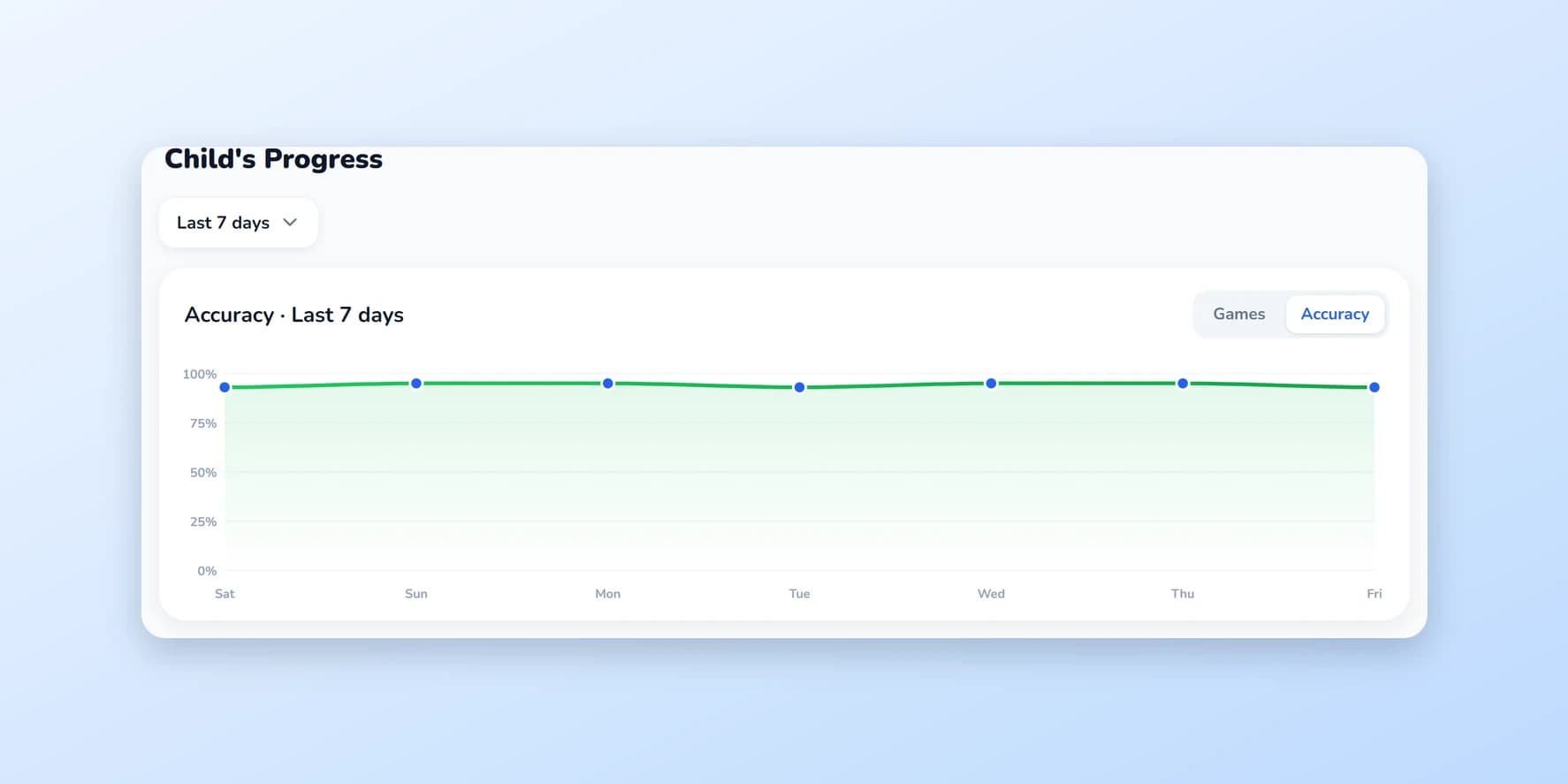
- accuracy;
- speed;
- volume of completed work;
- progress by topic;
- week-to-week changes;
- month-to-month changes.
This becomes particularly important in a long-term program.
The teacher needs to understand: not only what the child is studying today, but what is happening to the entire skill over time.
Parents can also struggle to notice gradual progress
During the first weeks, improvement is obvious. Yesterday the child could not use an abacus. Today they can.
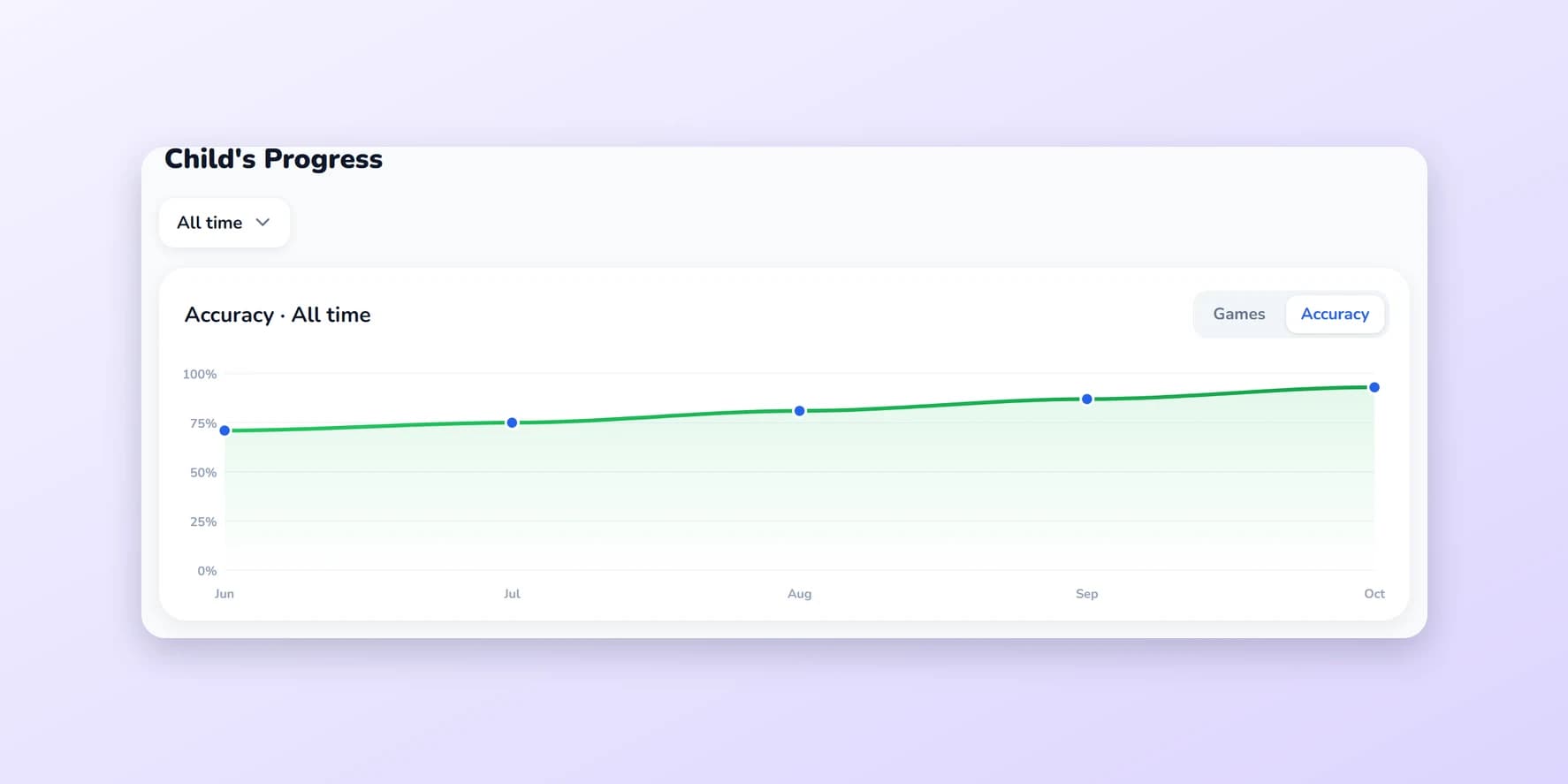
After a year, progress becomes more gradual. For example:
- speed changes from 2 seconds to 1.5;
- digit length increases;
- chains become longer;
- error rates fall.
When progress is visible in numbers and graphs, the family can see:
the child is still moving forward.
That can be important for motivation.
What matters more: two years or the quality of practice?
The quality.
A child can formally attend classes for three years and barely practise at home. Another can work consistently for two years and achieve much more.
Time alone guarantees nothing. Strong results usually depend on a combination of:
- good methodology;
- a strong teacher;
- regular practice;
- enough repetition;
- appropriate pace;
- child engagement.
Duration creates the opportunity. Quality determines what happens inside that time.
How to know when the skill is truly becoming stable
Not by looking only at the calendar. Look at the child. For example:
- they confidently use the main rules;
- older topics remain stable;
- mental calculation works consistently;
- they regain form quickly after a short break;
- they can increase speed;
- they can handle higher complexity;
- they no longer depend on constant teacher prompting.
These signs matter far more than:
“Has exactly two years passed?”
Mental arithmetic is a long-distance skill
The best comparison is probably sport or music education.
In a few months, a child can learn the basics. In a year, they can achieve a visible result.
But a stable skill appears when the child practises long enough and consistently enough. That is when:
- rules become automatic;
- the mental abacus becomes stable;
- speed grows;
- complexity increases;
- operations that once seemed impossible become manageable.
The main conclusion
In simple terms:
- a few months are usually an introduction and foundation;
- one year is a serious stage;
- around two years of regular training can be a useful benchmark for a complete basic cycle.
After that, everything depends on the child, the curriculum and the goal.
The important thing is not to assume that a few impressive early results mean the learning process is complete.
The real value appears when the skill is no longer merely understood. It becomes stable, fast and largely automatic.
Frequently asked questions
Is three months enough to learn mental arithmetic?
Three months can be enough to learn the basics, but it is usually too short to build a fully stable and automatic mental-arithmetic skill.
Is one year of mental arithmetic useful?
Yes. One year can represent a serious learning stage and allow a child to build a substantial foundation.
Why do some mental arithmetic programs last two years or longer?
Because students progressively move from basic abacus mechanics to mental calculation, Anzan, higher speed, larger digit lengths and more advanced operations.
Does every child need exactly two years?
No. Two years is a practical benchmark, not a universal rule. Duration depends on curriculum, goals, practice frequency and the individual child.
Can mental arithmetic skills weaken after a long break?
Yes. Like many trained skills, speed and automaticity can decrease when practice stops for a long period.
Free for teachers. Parent access included.