Articles for parents on the Amavit blog — clear explanations and practical advice for supporting your child.
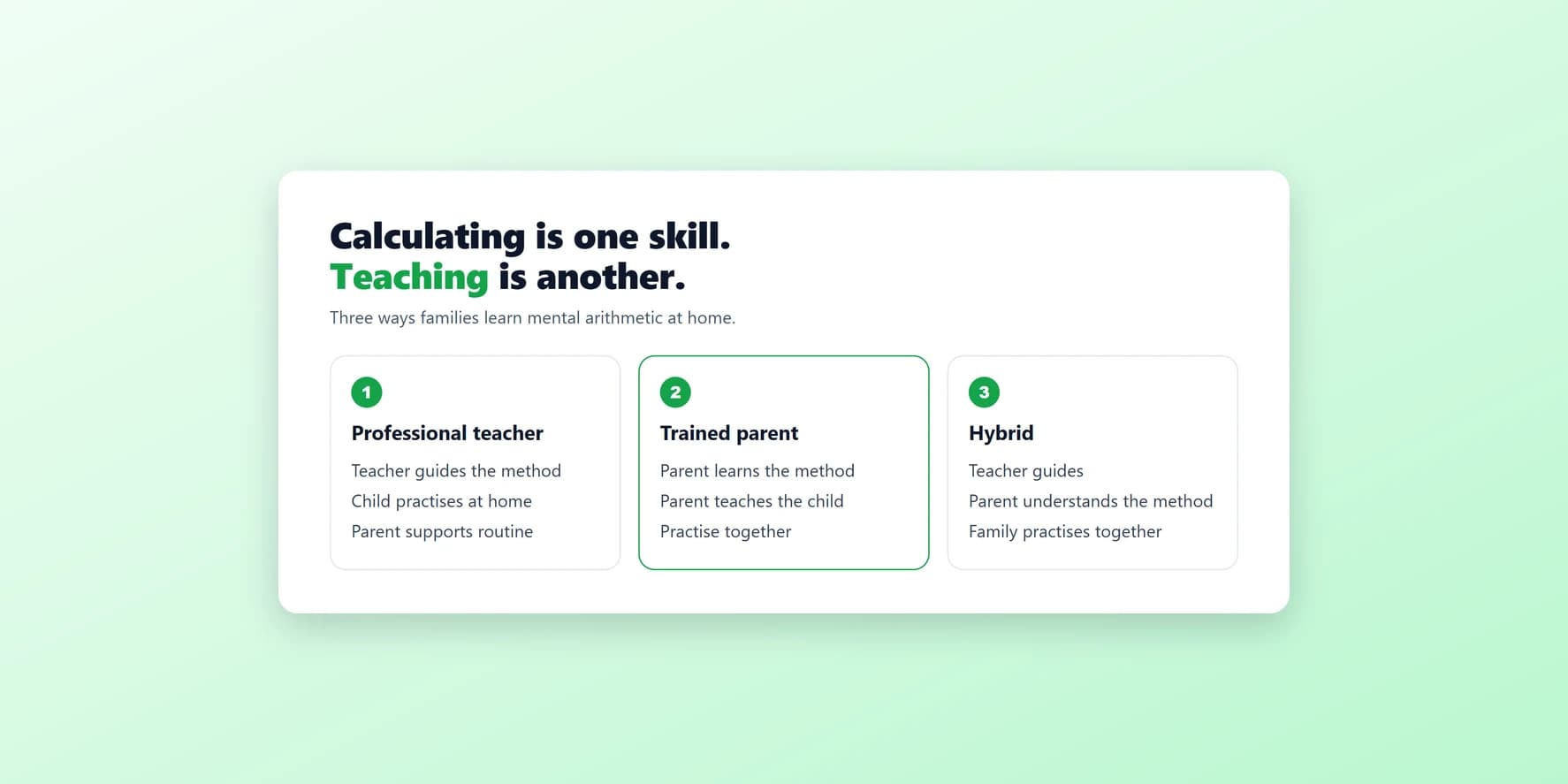
Can parents teach mental arithmetic at home? Learn when self-teaching can work, why teaching skill matters, and when a professional teacher may be useful.

Compare online and offline mental arithmetic classes for children: teacher access, technique control, peer interaction, travel time, flexibility and which format may fit your family best.
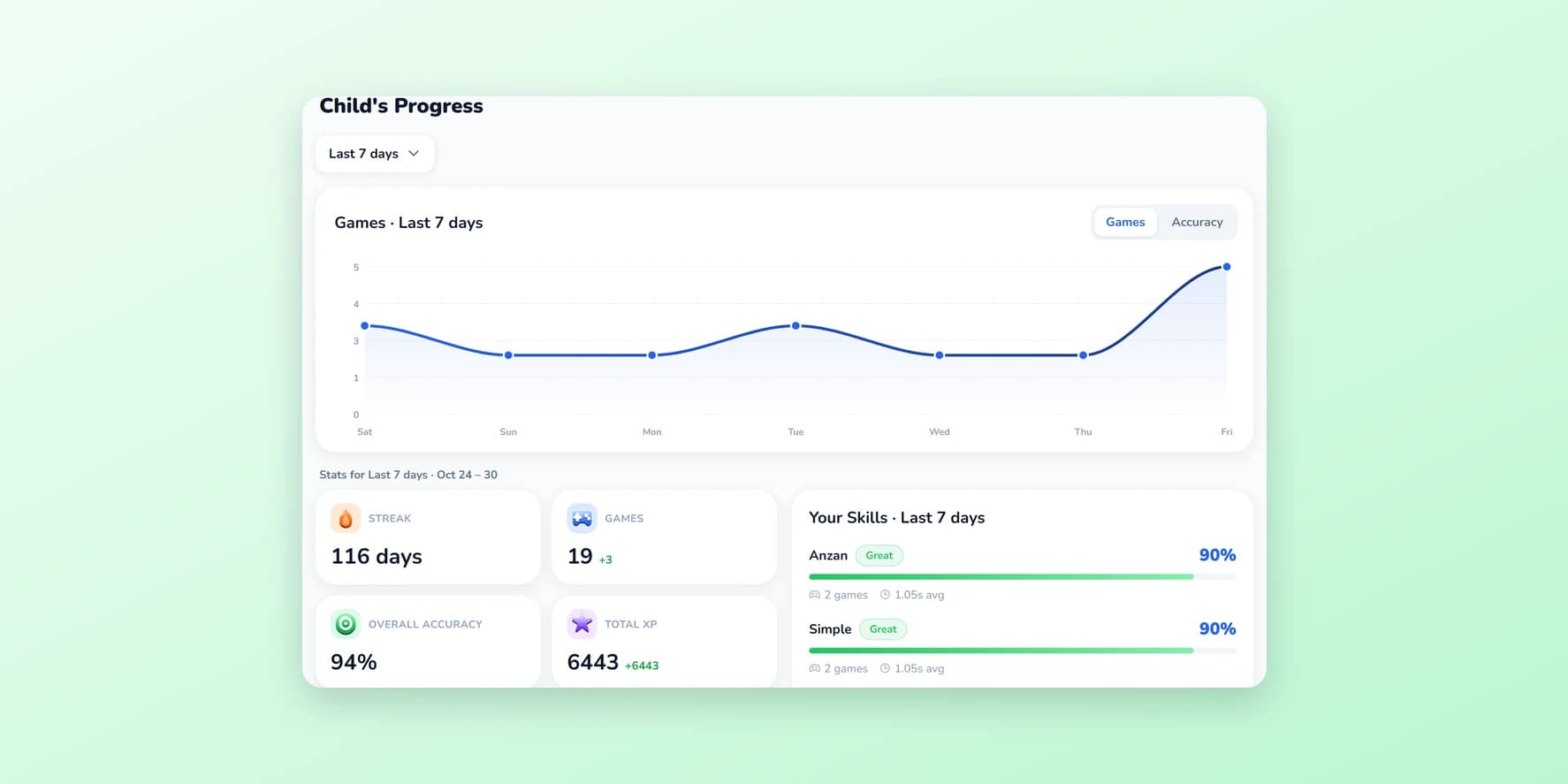
Learn how often children should practise mental arithmetic, why one weekly lesson can work when combined with regular home practice, and how to build an effective routine.
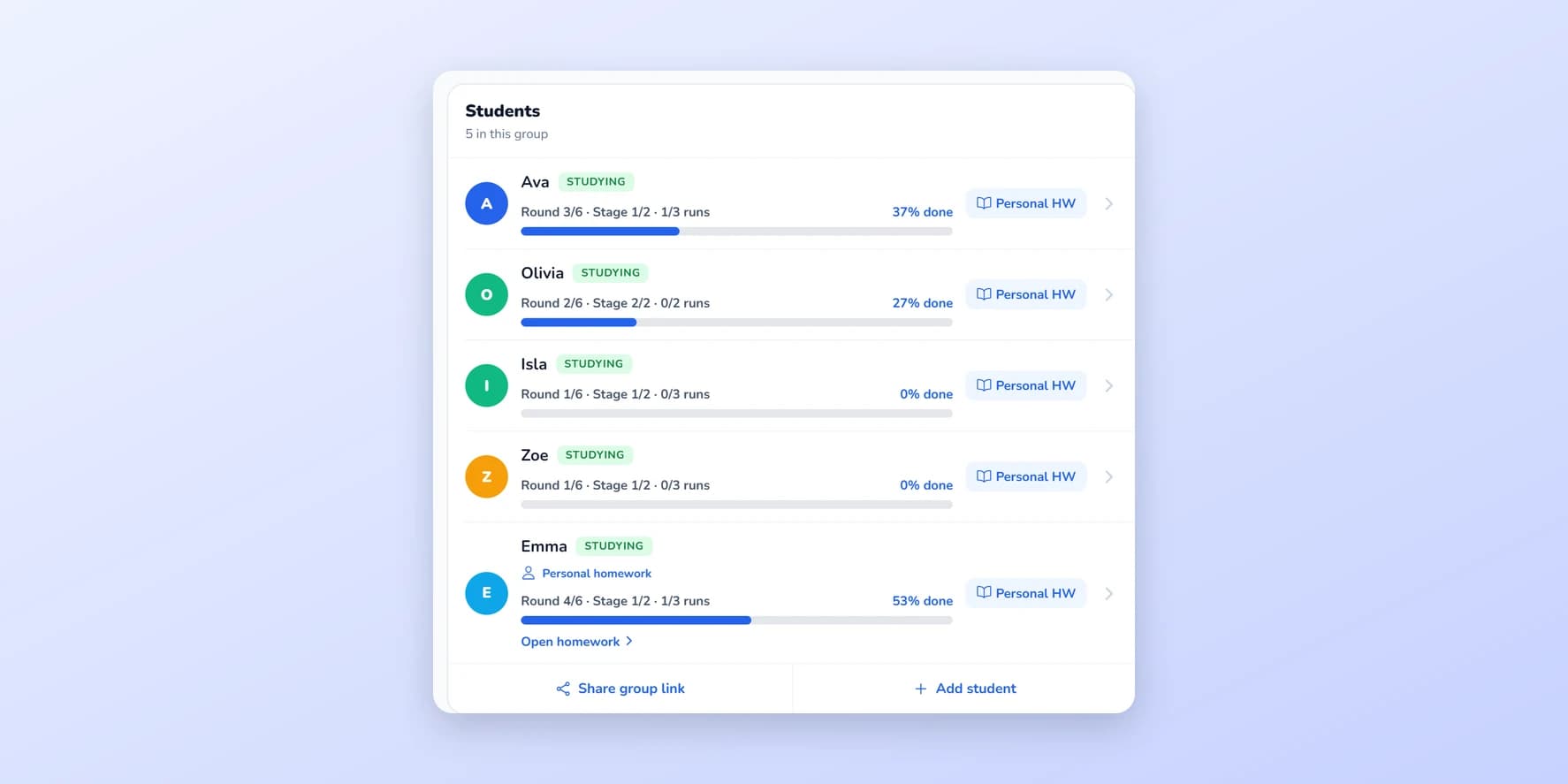
Compare group and individual mental arithmetic lessons for children: learning pace, teacher attention, social motivation, cost, personalised practice and which format may fit your child.
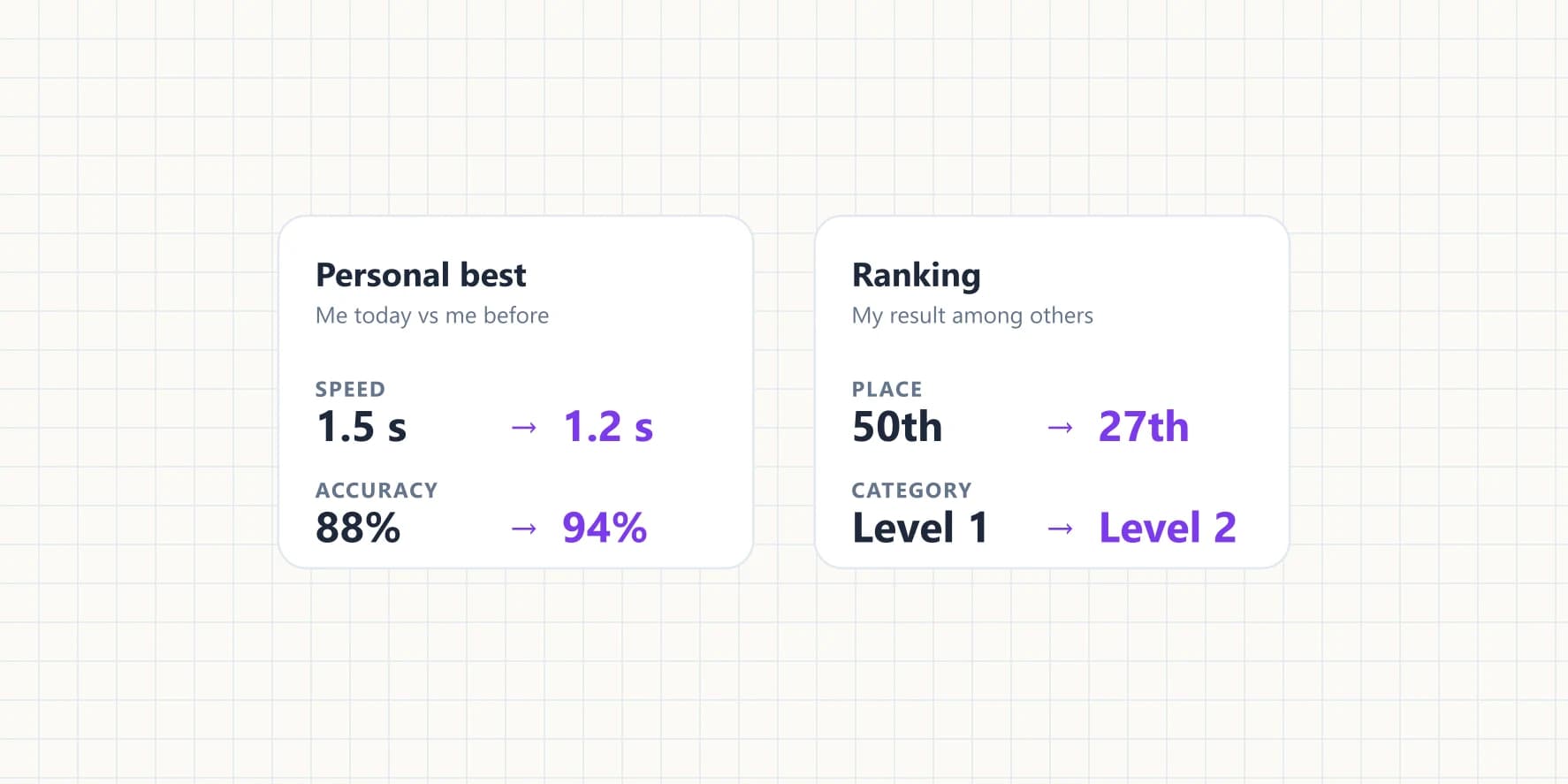
Learn how mental arithmetic competitions help children understand their level, set goals, handle winning and losing, perform under pressure and develop through comparison.
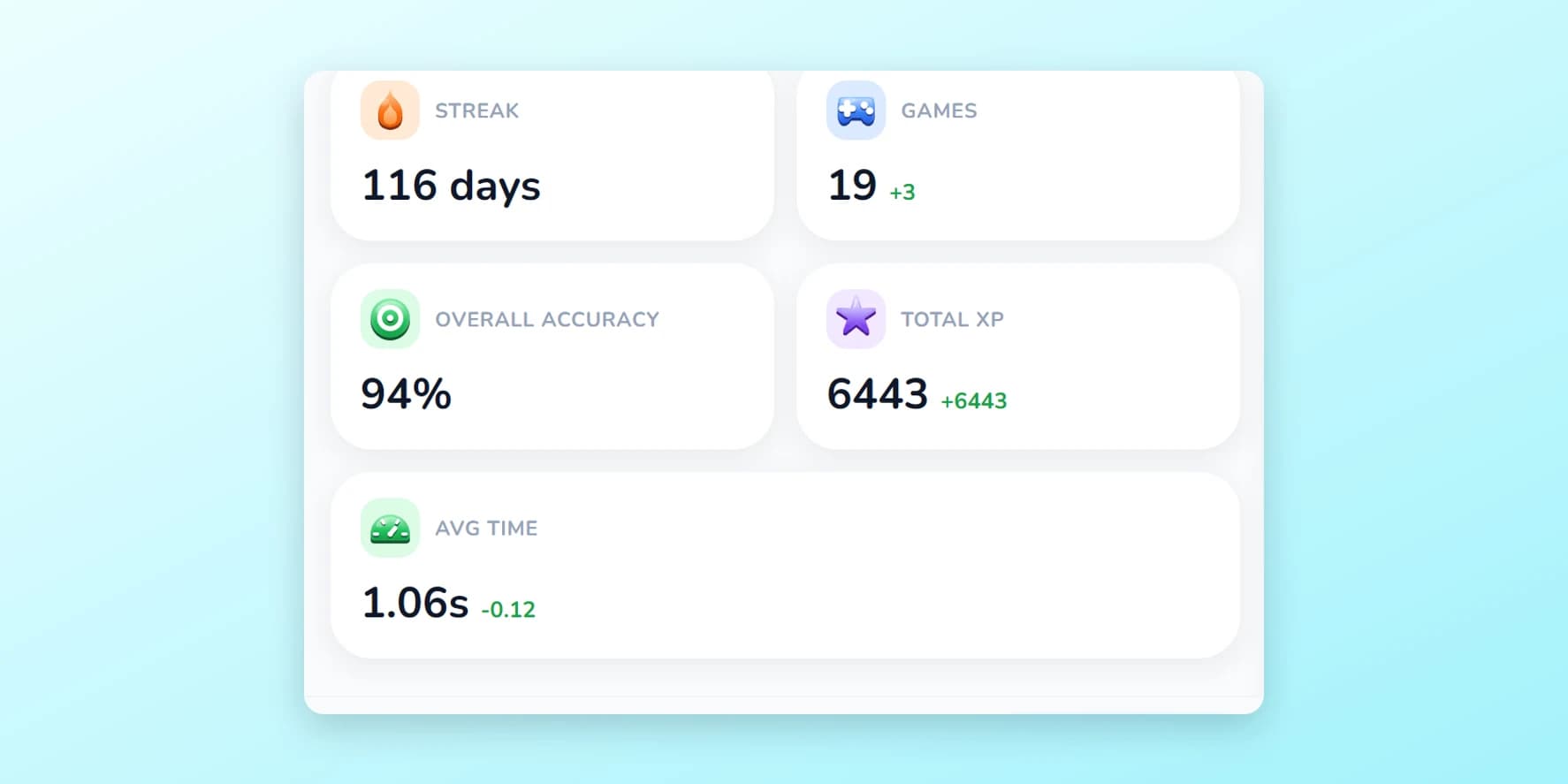
Learn how to evaluate a child’s mental arithmetic progress using technique, accuracy, speed, digit length, chain length, consistency and long-term trends.
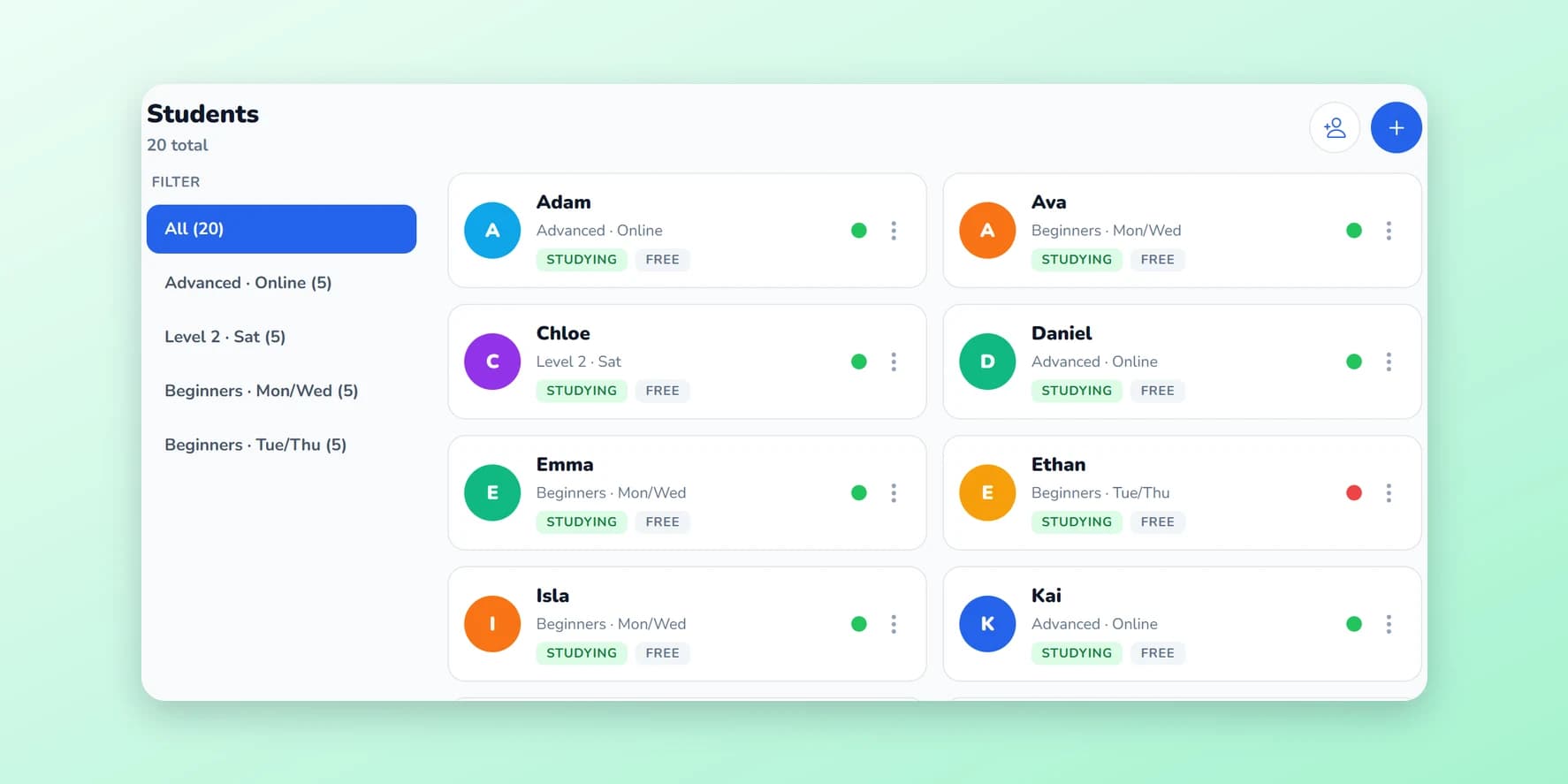
Learn how to choose a mental arithmetic teacher, why correct abacus technique matters more than early speed, and what parents should look for beyond certificates and promises.
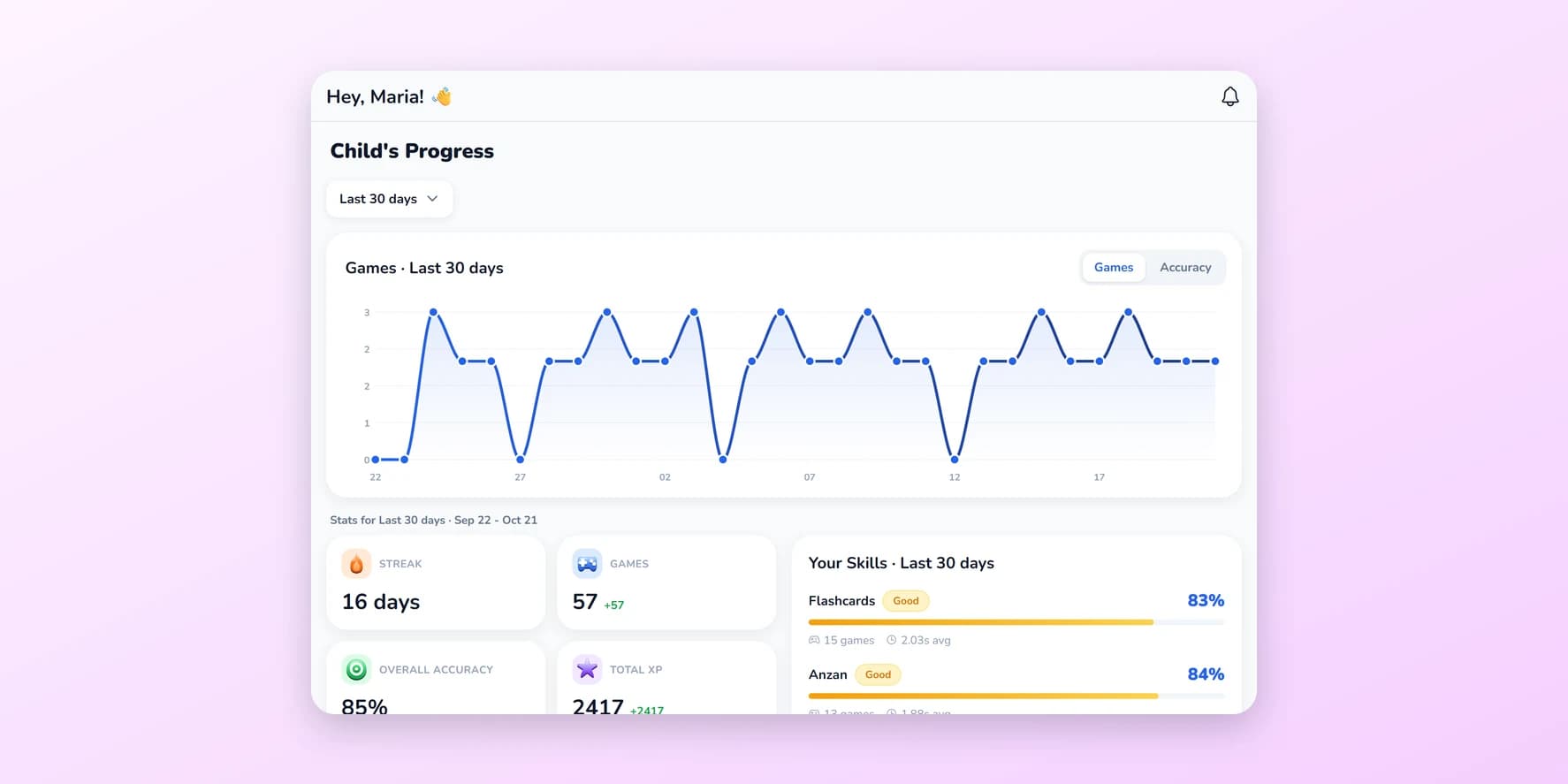
Learn how parents can support a child in mental arithmetic through regular practice, progress monitoring and early communication with the teacher — without becoming a second instructor.

Why do children lose interest in mental arithmetic? Learn why a full two-year cycle matters and how variety, streaks, progress, rewards and digital practice help children stay engaged.
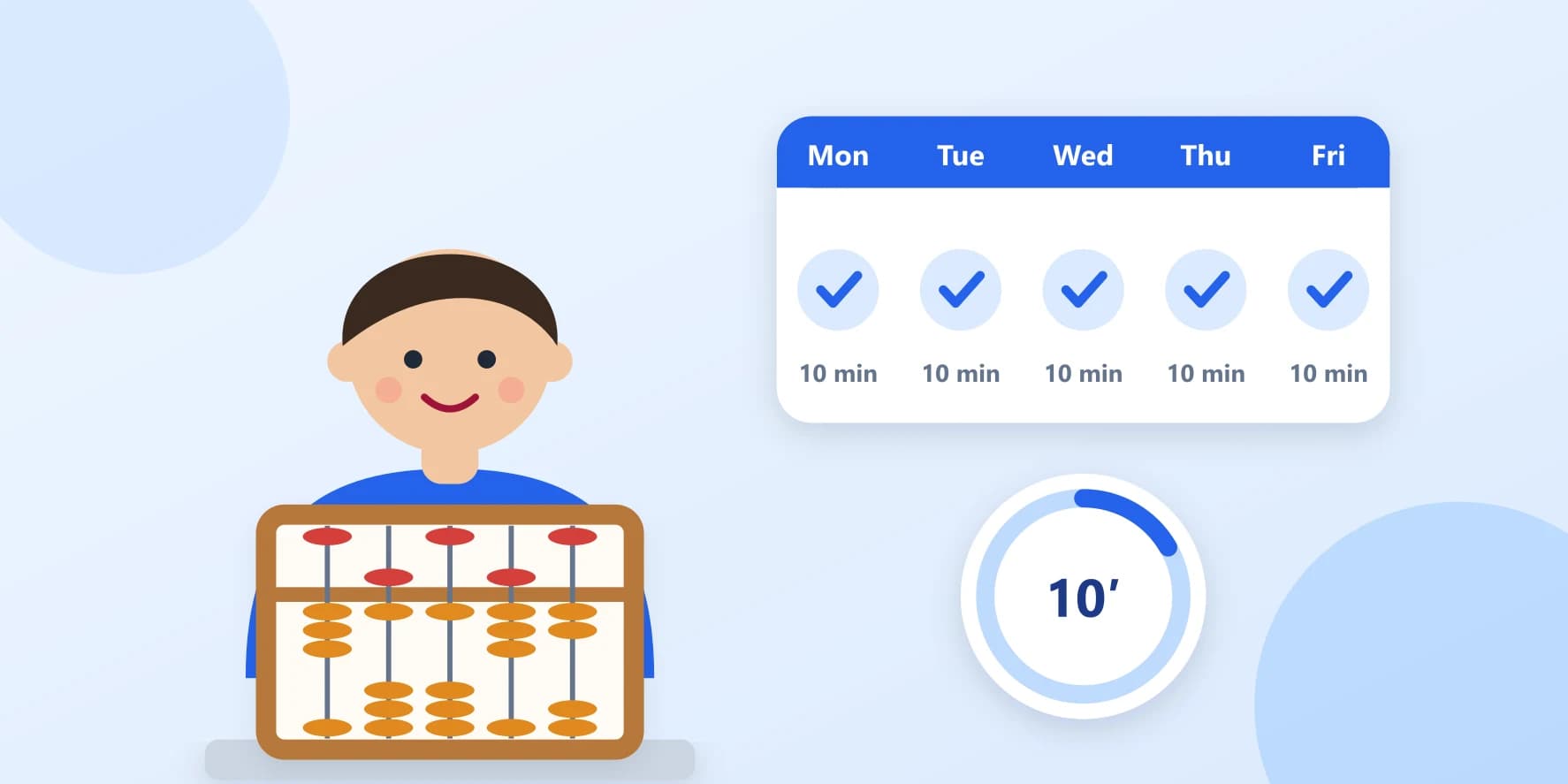
How long should a child practise mental arithmetic each day? Learn why 7–10, 15–20, or 30–40 minutes may be enough depending on level, and why targeted practice matters more than time alone.

You don't need to become a maths tutor. A short, calm daily routine does more for a child's progress than a long session once a week — here's how to run it.
