Articles for mental arithmetic teachers on the Amavit blog — practical methods and ready-to-use classroom workflows.
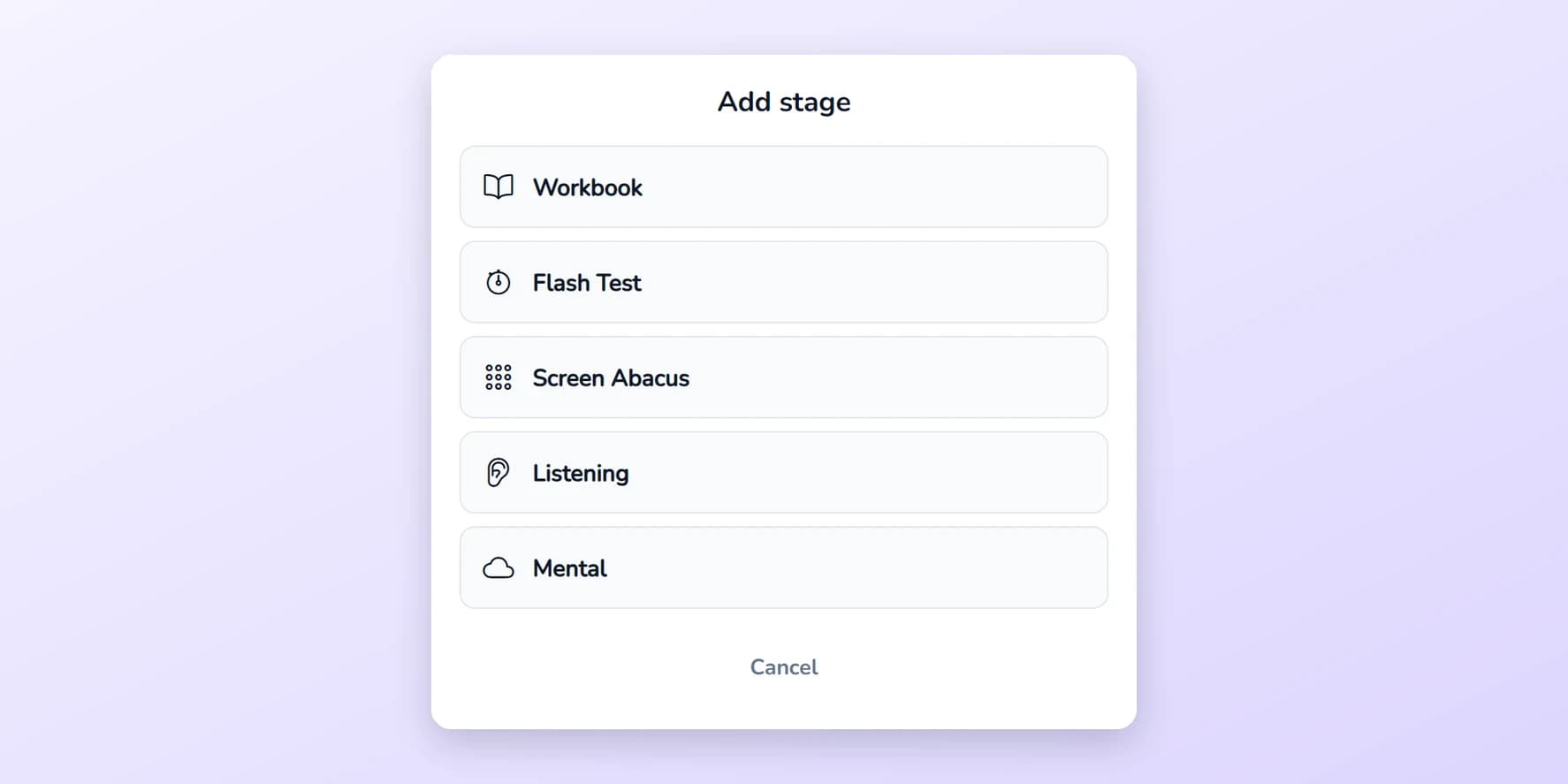
Learn why mental arithmetic training combines physical abacus, workbooks, flashcards, screen exercises, audio, mental calculation and mixed practice — and what each format develops.
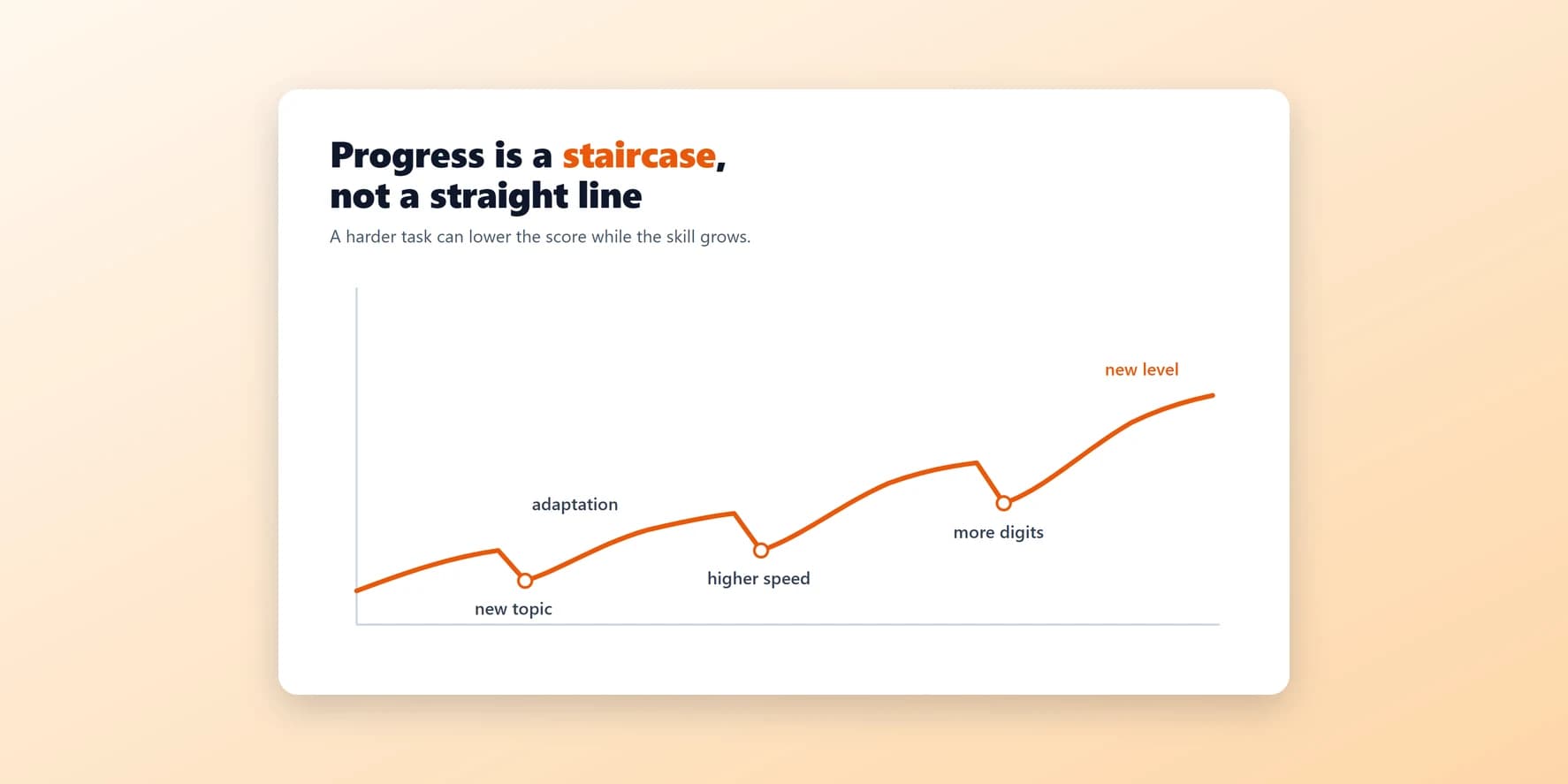
Learn why a child may temporarily become slower or make more mistakes after a new mental arithmetic topic, and how to tell normal adaptation from a real learning problem.

Learn why children should first practise new mental arithmetic rules separately and then mix them with older topics to build automatic rule selection and stronger calculation skills.
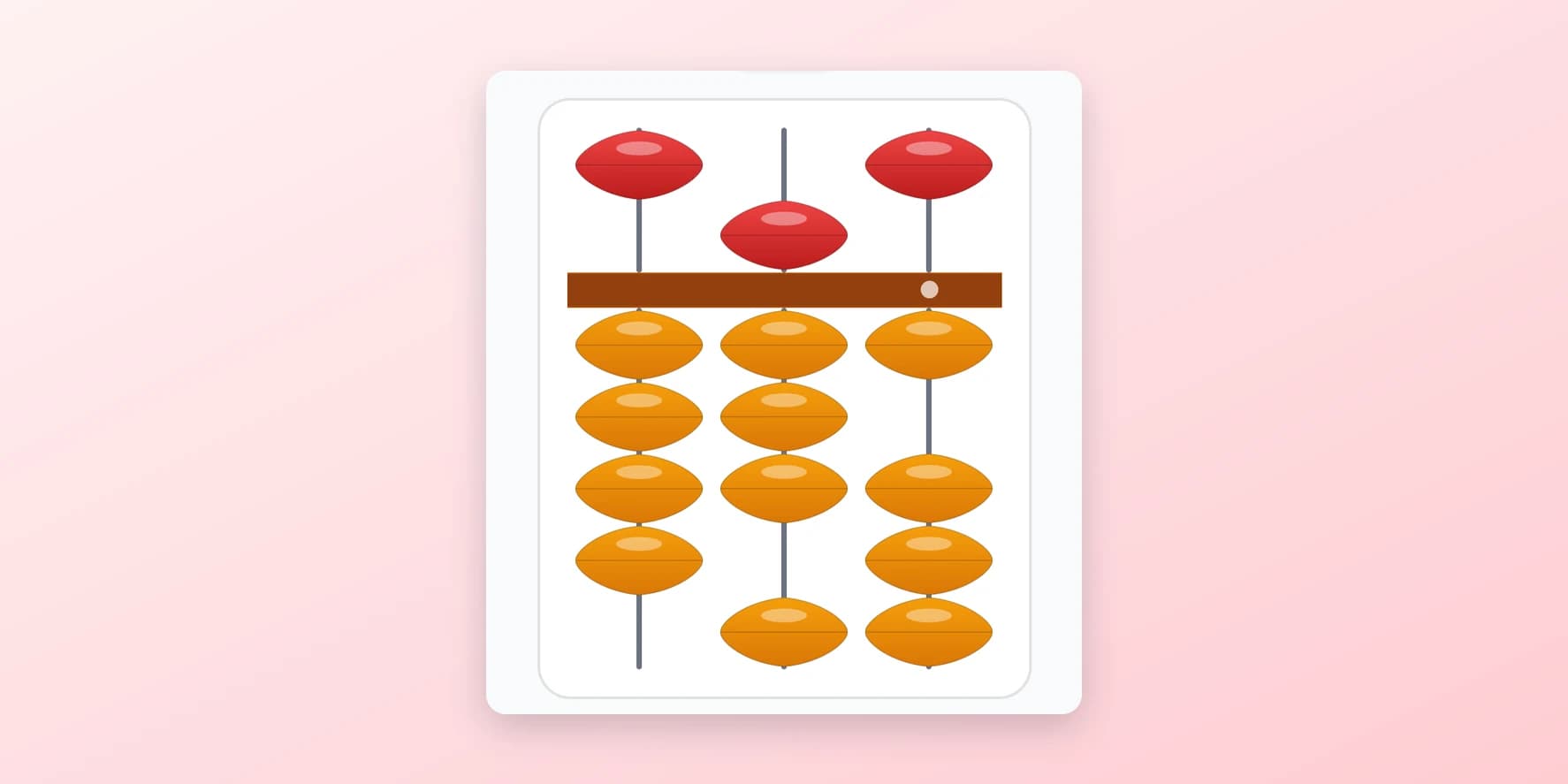
Learn why mental arithmetic rules must become automatic, how multi-digit calculation increases cognitive load, and what research says about mental abacus and visuospatial processing.
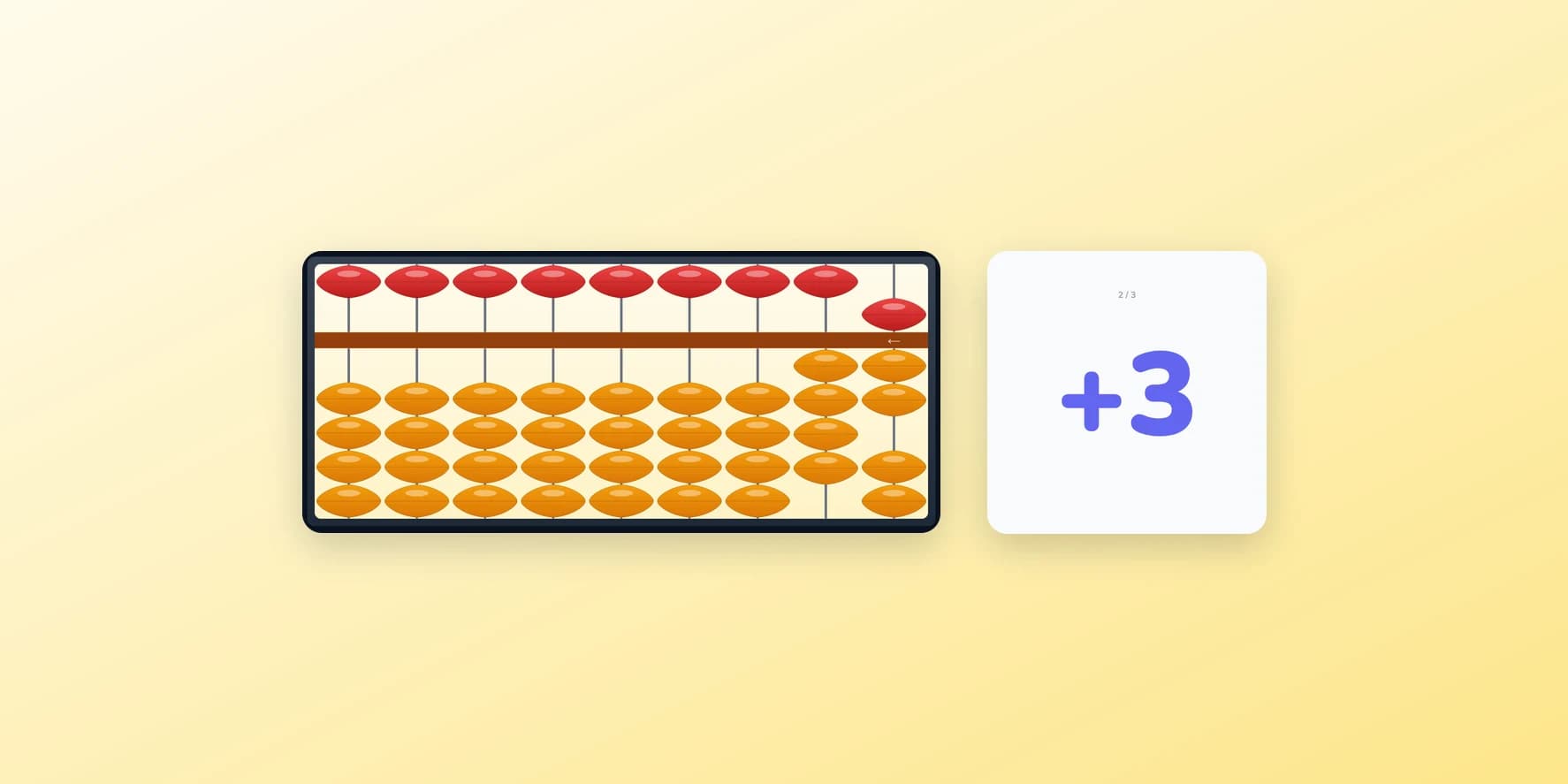
Learn how children move from physical abacus to mental calculation, why physical practice should remain throughout training, and how both methods work together.
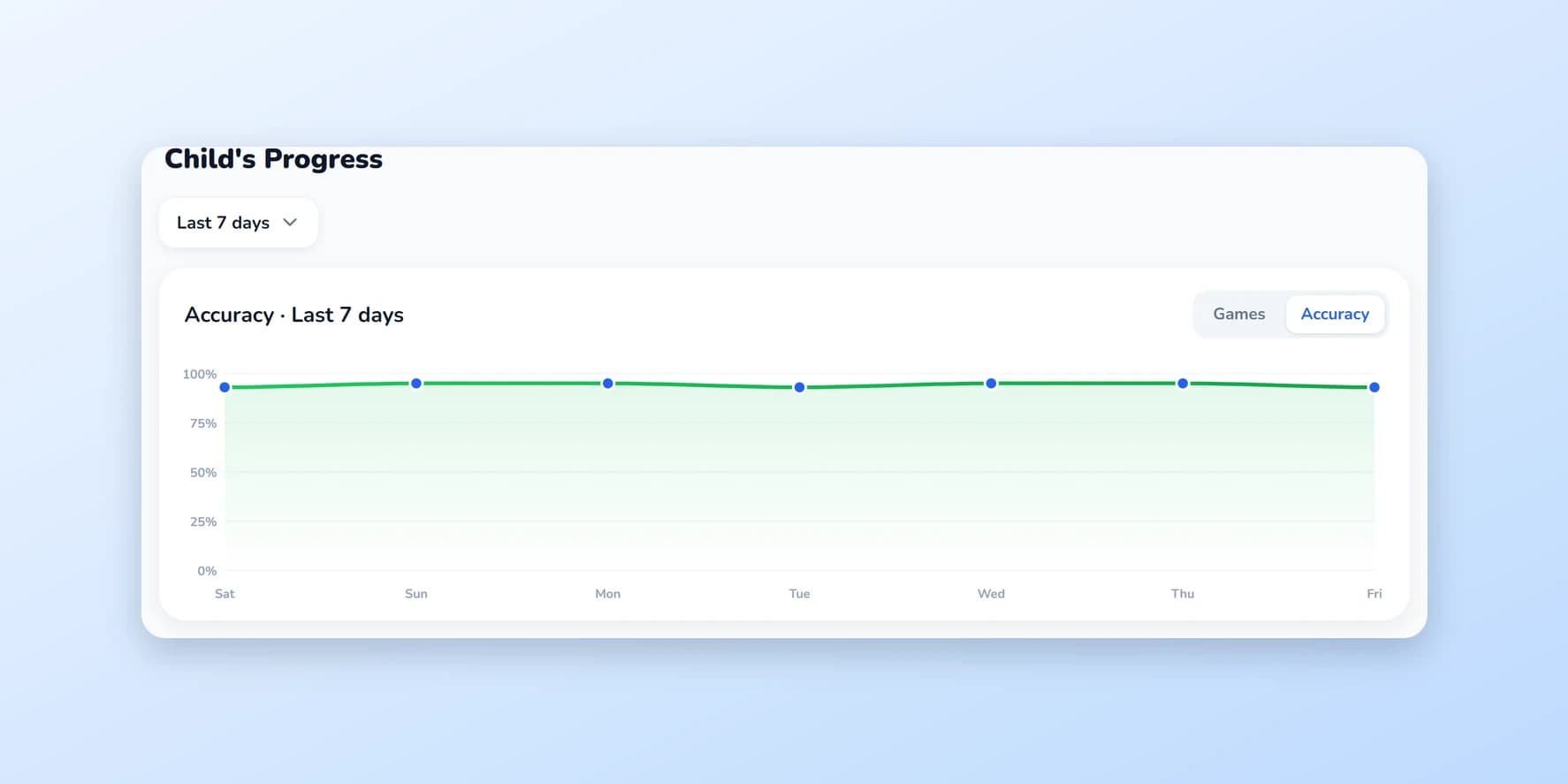
Learn how to tell when a child is ready for the next mental arithmetic topic, why one new topic per week can work, and how practice data helps teachers detect problems early.
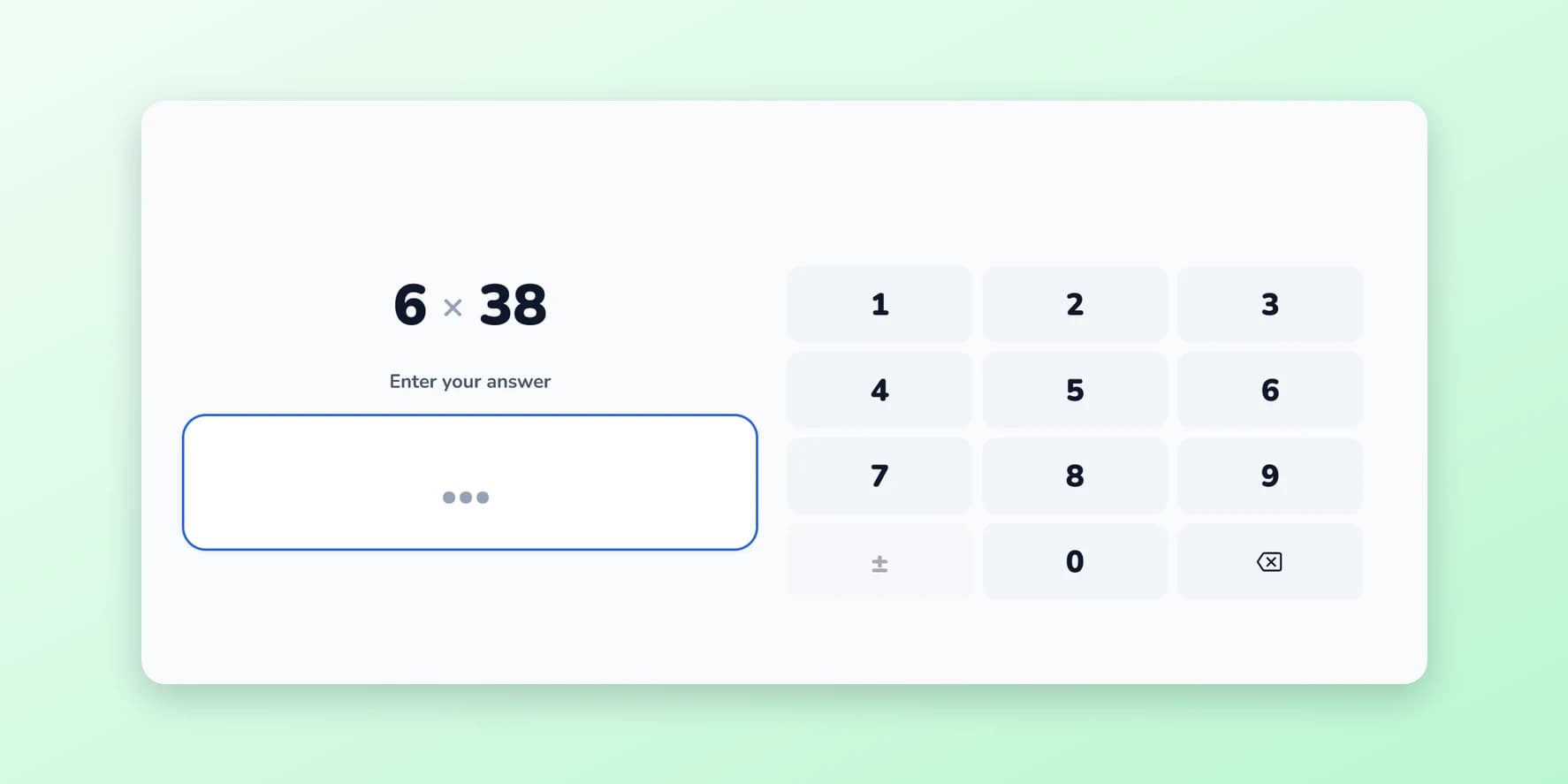
Learn when children are ready for multiplication and division in mental arithmetic, why these operations require a stronger foundation, and how to progress without rushing.
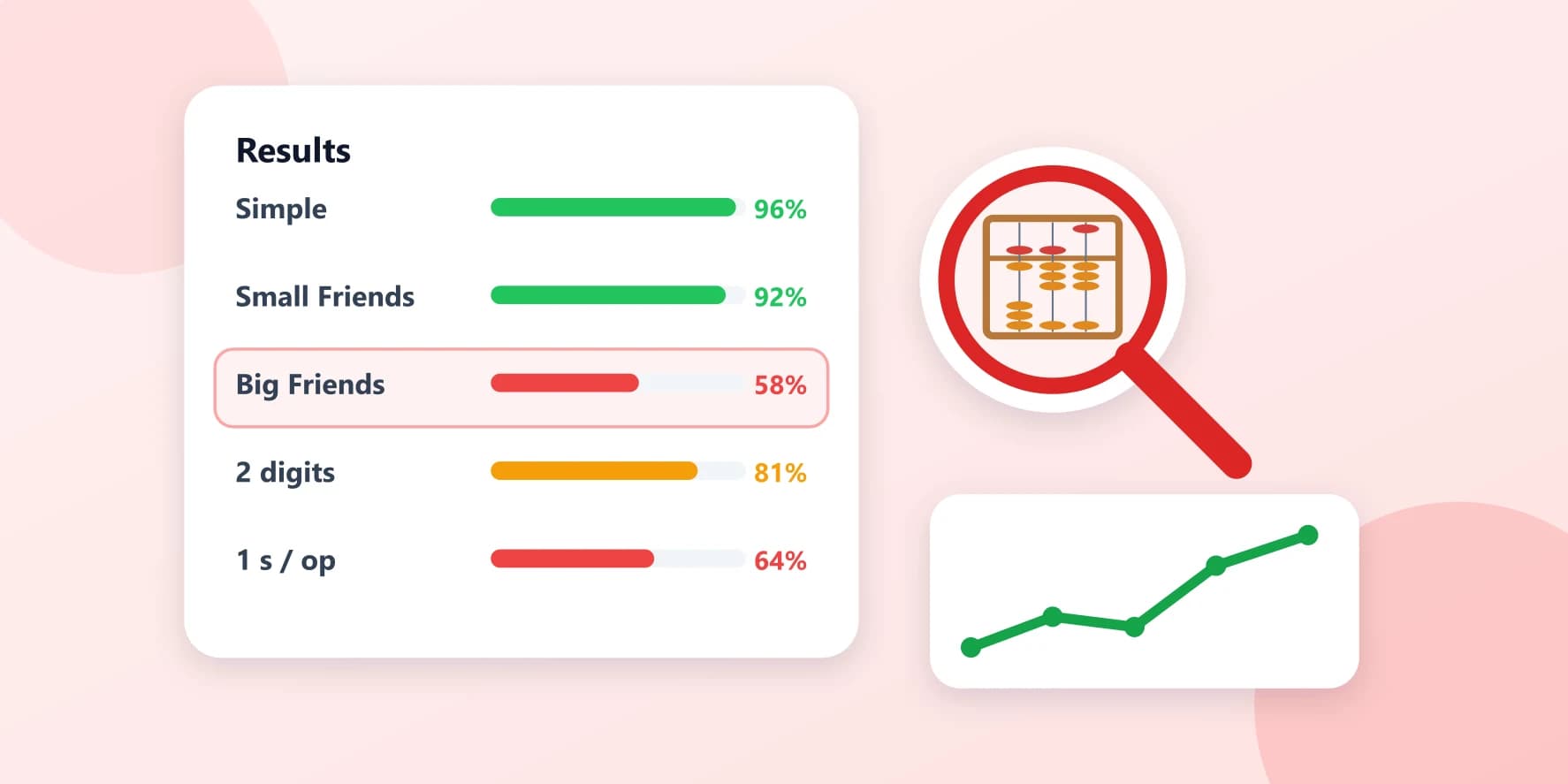
Why does a child keep making the same mental arithmetic mistakes? Learn how weak topics, speed, digit length and chain length affect accuracy — and how targeted practice can fix the real problem.
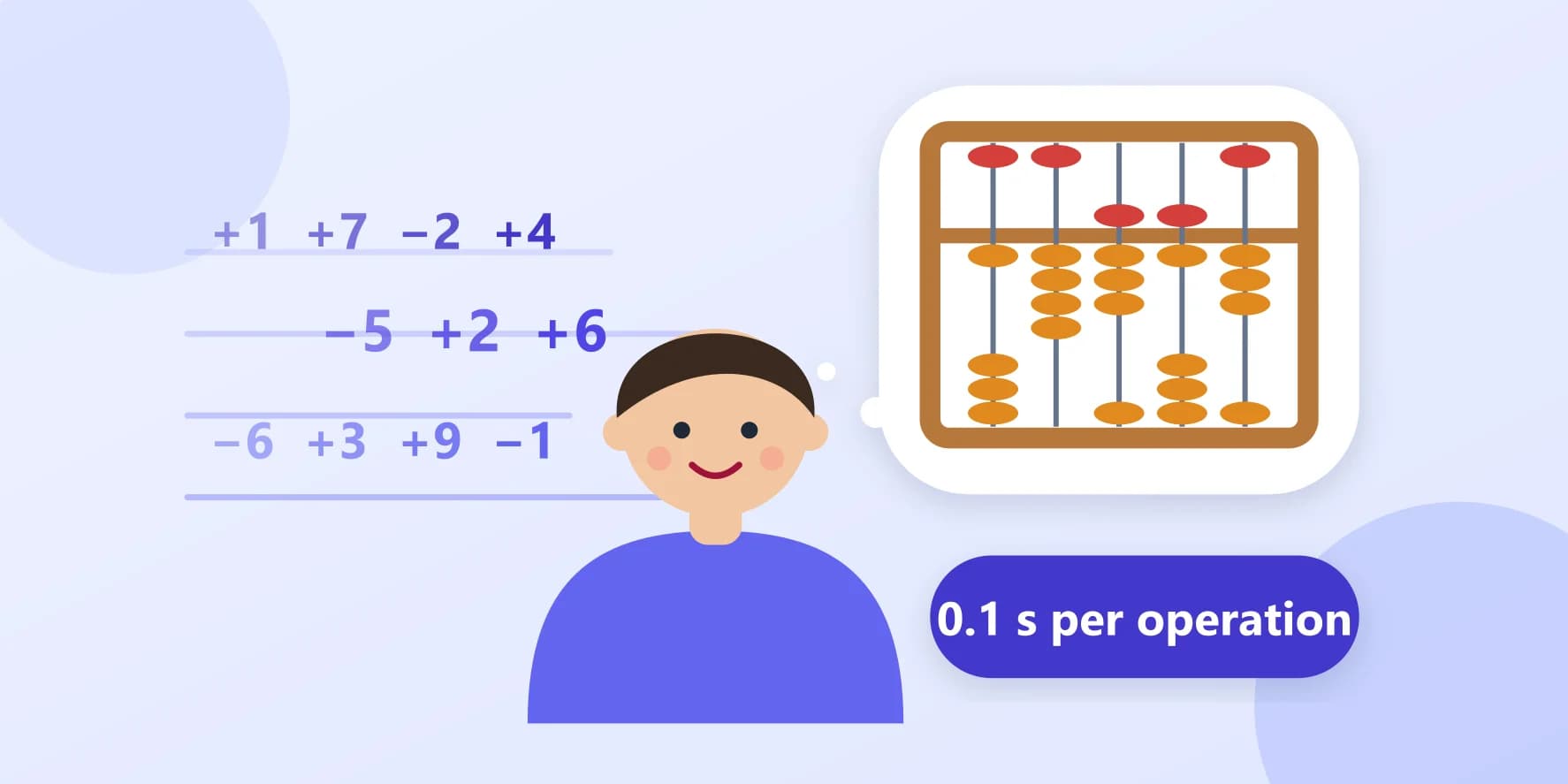
How do children progress from 3 seconds to 0.1 seconds per operation in mental arithmetic? Learn how speed, accuracy, digit length, audio support and Anzan develop step by step.
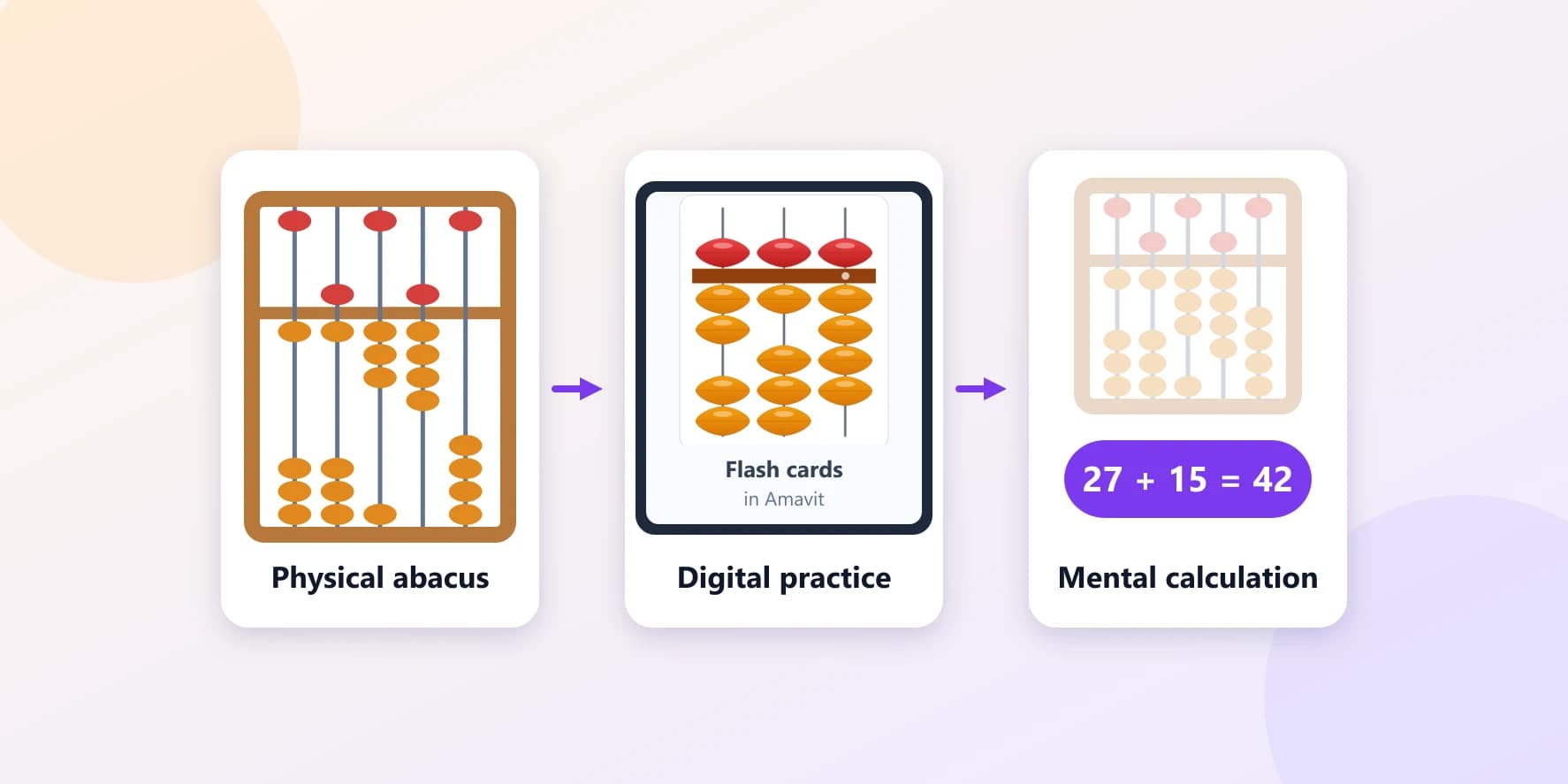
When should children use abacus worksheets, digital exercises and mental calculation? Learn how practice should change from physical abacus to mental abacus.
